Manhattan Township Halts Electric Aggregation Program, Citing Poor Pricing
Residents in unincorporated Manhattan Township will no longer be enrolled in a group electricity purchasing plan after the Township Board voted unanimously not to renew its electric aggregation contract.
The decision was made during the board’s April 8 meeting after a review of new pricing proposals. According to Supervisor James ‘Jim’ Walsh, “This year’s proposed pricing does not seem as economical as it was in the last couple of years,” making the program less beneficial for residents.
Under the previous aggregation agreement, residents were automatically enrolled in the plan negotiated by the township unless they individually chose to opt out and select their own electricity supplier. By voting not to renew, the board has effectively ended the program for the time being. Residents will revert to the default ComEd supply rate or must independently choose an alternative retail electric supplier.
The motion to not renew the agreement was made by Trustee William ‘Bill’ McGrath and seconded by Trustee Mark Yunker. With the deadline to enter a new contract looming on April 15, the board’s vote provides a decisive end to the program.


Chance Showers And Thunderstorms
Latest News Stories

Pritzker unveils Illinois LGBTQ hotline amid debate over transgender athletes

WATCH: Trump ends funding for cashless bail policies, hedges on Guard deployment to Chicago
Hochul pushes back on Trump’s cashless bail funding threat

Education Department finds GMU Violated Title VI
Redistricting opponents immediately appeal to CA voters
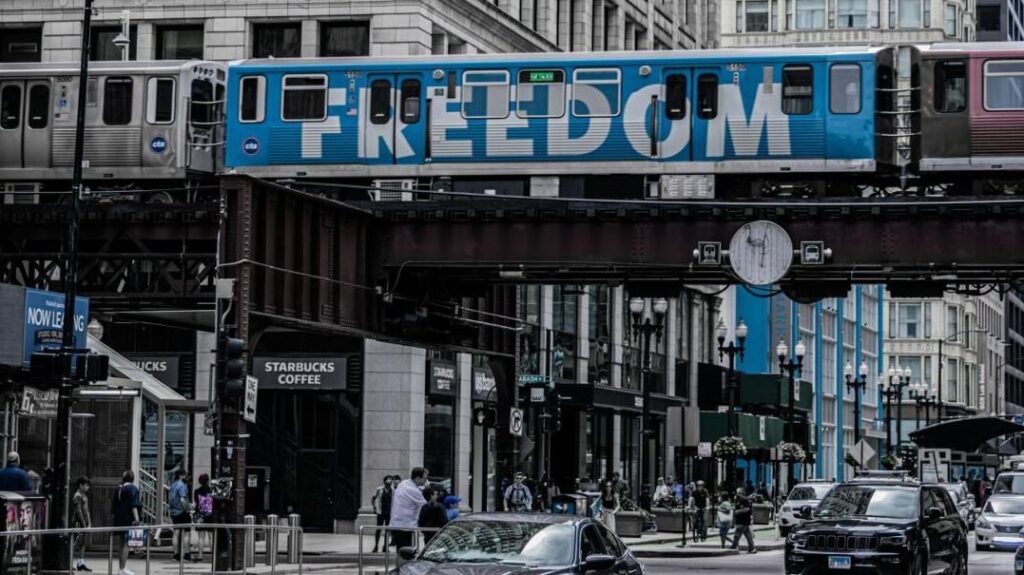
Former Transportation Secretary urges state taxpayer funding for Chicago transit

Illinois quick hits: Education tax benefits available; Giannoulias orders license plate reader to shut off access to CBP

WATCH: Trump order withholds funds over no-cash bail policies like Illinois’

Trump eyes First Amendment showdown with order to prosecute flag burning

Trump strikes positive tone with South Korean president

House Oversight Committee to investigate D.C. police over crime data
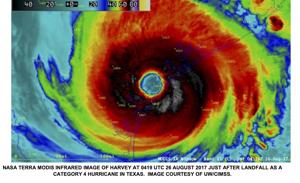
Twenty years later, Katrina still among Atlantic’s most deadly, costly