
Manhattan Township Halts Electric Aggregation Program, Citing Poor Pricing
Residents in unincorporated Manhattan Township will no longer be enrolled in a group electricity purchasing plan after the Township Board voted unanimously not to renew its electric aggregation contract.
The decision was made during the board’s April 8 meeting after a review of new pricing proposals. According to Supervisor James ‘Jim’ Walsh, “This year’s proposed pricing does not seem as economical as it was in the last couple of years,” making the program less beneficial for residents.
Under the previous aggregation agreement, residents were automatically enrolled in the plan negotiated by the township unless they individually chose to opt out and select their own electricity supplier. By voting not to renew, the board has effectively ended the program for the time being. Residents will revert to the default ComEd supply rate or must independently choose an alternative retail electric supplier.
The motion to not renew the agreement was made by Trustee William ‘Bill’ McGrath and seconded by Trustee Mark Yunker. With the deadline to enter a new contract looming on April 15, the board’s vote provides a decisive end to the program.


Mostly Sunny
Latest News Stories
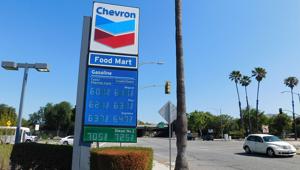
Inflation rises to 3.8%, driven by energy prices

New congressional map expected for Alabama in wake of high court ruling
Manhattan District 114 Explores Joint Community Survey for Fall Strategic Plan

State Legislative Update: Housing Mandates, Mega Projects, and Data Centers Prompt Local Control Concerns
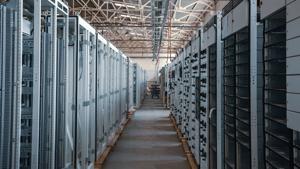
Data center regs proposed as $20 billion, 795-acre Joliet project advances
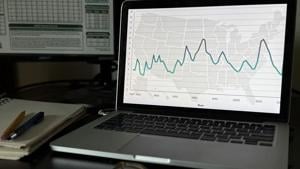
Labor stats offer mixed bag for Illinois

Lawsuit: IL state VRA unconstitutionally lets Dems divide voters by race

Illinois Quick Hits: State grants offered to tackle ‘challenging’ properties

Officers mourn fallen Chicago cop as policy debate grows
Trump accuses Schumer of election ‘interference’ with New York task force
Poll site gun ban proposal draws pushback

Trump confirms gas tax suspension push as prices hit $4.52

Trump says Iranian ceasefire on ‘life support’
Meeting Summary and Briefs: Will County Board Finance Committee for May 5, 2026