Split Vote Halts Monee Truck Terminal Project
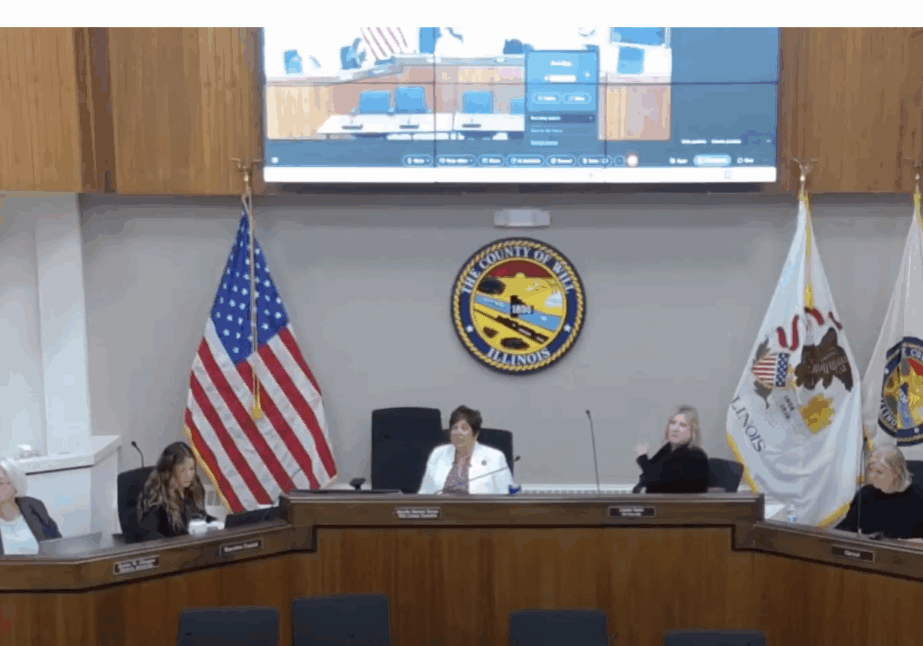
A proposed truck terminal on vacant land at West Monee-Manhattan Road in Monee Township was stopped in its tracks Wednesday after the Will County Board delivered a split decision on the project.
While the board voted 11-9 to approve a map amendment that rezoned the property from agricultural and residential (A-1/R-2) to industrial (I-2), it immediately followed with a vote to deny the crucial special use permit needed to operate a truck terminal on the site. The motion for the special use permit failed, with 11 members voting no.
The votes, taken during the board’s monthly meeting, effectively kill the project as proposed by the owner, Chicago Land Trust Company. Without the special use permit, a truck terminal cannot be developed on the property, despite the newly granted industrial zoning.
The project had received divided recommendations from the county’s advisory bodies. The Will County Planning and Zoning Commission (PZC) had recommended approval of the rezoning, while the board’s own Land Use & Development Committee had voted 5-1 to recommend approval for both the rezoning and the special use permit. The full board’s rejection of the permit





Mostly Sunny
Latest News Stories

Lincoln-Way West Powers Past Cross-Town Rival Lincoln-Way Central in 11-1 Run-Rule Victory

Lincoln-Way East Pitching Shuts Down Lincoln-Way West in 4-0 Conference Victory
Manhattan Receives $10,000 JADA Grant, Approves Patriotic Route 52 Decorations
WATCH: California probe ends $267M in alleged hospice fraud
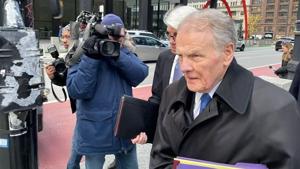
Ex-Blago attorney: Quid pro quo is key to Madigan appeal
Illinois Quick Hits: House GOP says no Bears deal without property tax reform

WATCH: More than $600 million stolen from SNAP in 2025

Melania Trump denies any relationship with Jeffrey Epstein

War Powers Resolution halting Trump’s Iran ambitions fails in U.S. House
Lincoln-Way West Softball Edges Andrew 10-9 in Tight Conference Showdown
Lincoln-Way West Overcomes Wild Start, Blasts Past Stagg 21-11 in Six-Inning Slugfest

Answers wanted to ‘pathetic’ state procurement issues