D122 Renews Insurance Policies for Nearly $490,000
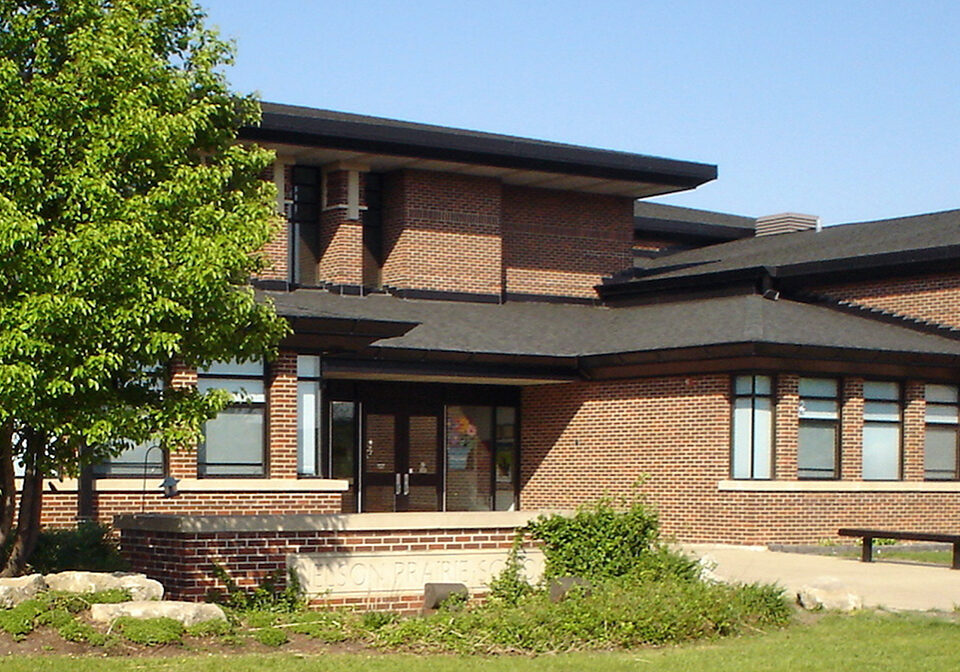
The New Lenox School District 122 Board of Education has renewed its property/casualty and worker’s compensation insurance policies for the 2025-2026 school year, with total costs amounting to nearly $490,000.
The board approved both renewals with the Collective Liability Insurance Cooperative (CLIC), a group of hundreds of Illinois school districts that pool resources to purchase insurance coverage at affordable rates. The upcoming school year will mark the district’s third year as a member of the cooperative.
The property and casualty insurance renewal comes at a total cost of $353,358. This policy covers the district’s buildings, property, and various forms of liability.
The worker’s compensation insurance policy was renewed for a total cost of $133,731. According to a pricing comparison sheet from CLIC, this represents a 1.6% decrease from the previous year’s cost of $135,873. The reduction is partly due to a 2.3% decrease in the modified premium, despite a 3.5% increase in the district’s total payroll.
Business Manager Robert Groos presented both renewals to the board. The measures were approved unanimously as part of the consent agenda, following a motion by board member Bill Pender and a second by Vice President David Rush.
–

Isolated Rain Showers then Partly Cloudy
Latest News Stories
Trump gives boost to Lebanese relations; puts squeeze on Iran in the process

Illinois news in brief: State police use grant money to recover 342 stolen vehicles; State launches Blue Envelope program; Treasurer: State returned $307.8 million in I-CASH
Biden recordings case could head to U.S. Supreme Court

Pritzker touts climate, green energy record as capacity leaves, rates rise
Warren will campaign this weekend for El-Sayed in Michigan

Trump hits Canada with new tariffs Congress may be powerless to stop
Abbott directs healthcare, regulatory agencies to target birth tourism in Texas

Fugitive accused in $547 million Medicare fraud scheme captured

Ongoing border enforcement: Revocation of citizenship of convicted criminals
Minnesota wildfires prompt burning restrictions as air quality improves

Poll: Americans views of socialism little changed despite recent elections
Malliotakis: Commie Caucus is coming to Congress