Will County Board Members Demand Transparency in Cannabis Tax Fund Allocation
ARTICLE SUMMARY: A debate over transparency and process erupted at the Will County Board’s Finance Committee meeting regarding the distribution of local cannabis tax revenue. Board members called for more detailed reporting from grant recipients and criticized the current method of deciding which organizations receive funding.
Key Points:
• Board Member Destinee Ortiz requested that all recipients of cannabis tax funds submit detailed reports on how the money was spent and how many residents were served.
• Board Member Julie Berkowicz criticized the allocation process, stating decisions are made by a “team of two people” in non-public meetings and should be handled in an open committee.
• The discussion highlighted a desire among some board members for a more open and accountable system for distributing the hundreds of thousands of dollars in cannabis tax revenue.
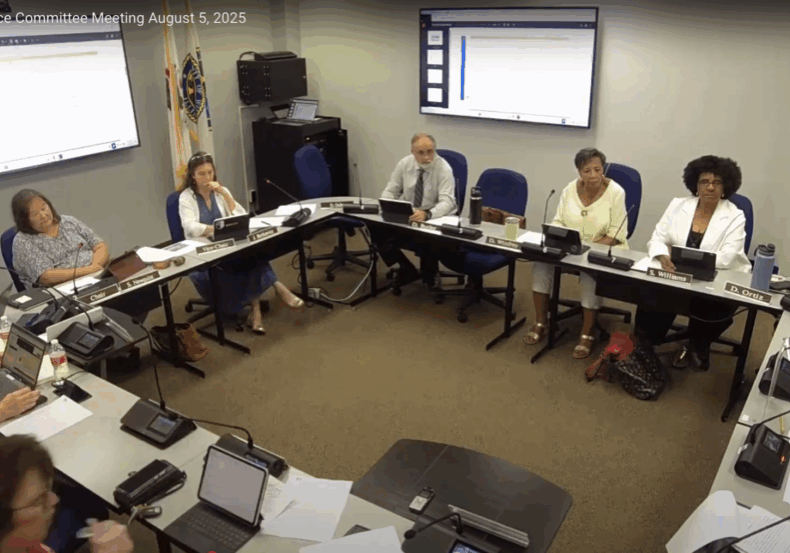
JOLIET – Calls for greater transparency in how Will County distributes its cannabis tax revenue dominated a discussion at the Finance Committee meeting Tuesday, with some board members demanding more accountability from grant recipients and a more open process for making allocation decisions.
The debate began when Board Member Destinee Ortiz requested that organizations receiving cannabis tax funds be required to submit detailed reports to the committee.
“These reports should explain how the funds were spent, specifically how they have helped our residents, and include data on how many residents have been served,” Ortiz said. “I just think that this process would promote transparency and ensure that the funds are making a measurable impact in our community.”
Committee Vice-Chair Julie Berkowicz supported the request and went further, criticizing the current structure for awarding the funds, which she said is handled by a small team outside of public committee meetings.
“I’ve been told it isn’t a committee, there’s a team of county board members that apparently decide how these funds are allocated,” Berkowicz said. “There’s no set meeting date. It isn’t an open meeting. I don’t necessarily think two people on a board of 22 should just be able to allocate $250,000, give or take.”
Berkowicz proposed that the entire allocation process be moved into the Finance Committee to allow for public discussion. “I want the public to be able to hear our conversations and then possibly we can reach out into the community even further,” she said.
While committee Chair Sherry Newquist noted that the full board ultimately votes on the funding, Berkowicz argued those votes happen after the key decisions and presentations have already occurred privately.
Board member Dave Oxley echoed the concerns, stating, “This committee doesn’t discuss it… and [when] it goes to the board, they say it should have been discussed in committee. So, I totally agree.”
Sunny
Latest News Stories

Lawmaker pushes sales tax pause on gas as questions cloud ‘fragile’ ceasefire

Groups warn Middle East truce may not ease economic fallout

National ratings outlet says Pennsylvania has most ‘toss up’ midterm races
Regulator: LNG expansion likely to affect rare marsh bird

Court showdown over Trump’s tariffs could reshape U.S. trade policy

PSA urges consumers to think ‘Before You Call That Lawyer’
Vance to lead talks in Iran on Saturday

Rep questions state ed board’s higher budget request, proficiency standards

Illinois reps move bill to give remedy to young victims of hidden cameras
Illinois Quick Hits: Chicago Election Board says 94% of ballots casts were for Dems

Chicago office vacancy rates worsen, card swipe numbers offer hope

Illinois Quick Hits: Illiois gas prices keep rising