Trump confirms Nvidia chip agreement
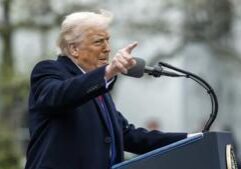
Nvidia will pay the United States 15% of the money it makes from selling artificial intelligence chips to China, President Donald Trump said in a press conference on Monday.
Trump said he allowed Nvidia CEO Jensen Huang to sell H20 chips to China while the company provides the U.S. government with a kickback of the profits.
“The H20 is obsolete,” Trump said. “So we negotiate a little deal so he’s, essentially, selling an old chip,” Trump added, referring to Huang.
Trump said he initially asked for a 20% cut from sales of Nvidia’s chips but the two landed on 15%.
In April, Trump banned Nvidia from selling H20 chips to China. The administration later reversed the ban in July.
A coalition of democratic lawmakers, including Sen. Chuck Schumer, D-N.Y., criticized the administration’s July reversal.
“Limiting the PRC’s access to advanced compute has been a focus of Congress: one with a strong bipartisan commitment across both chambers and both parties,” The letter read.
“The PRC’s development of advanced AI capabilities represents a clear risk to the United States’ national and economic security, and the administration’s willingness to trade away that security is extremely troubling,” the letter continued.





Showers And Thunderstorms Likely
Latest News Stories

Will County Committee Approves Rezoning, Denies Landfill Permit for Former Joliet Beach Club Site
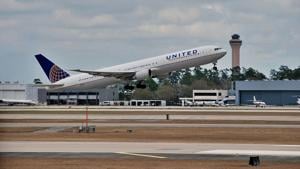
FAA returns to normal operations after shutdown, launches probe

Illinois truckers back federal pause on non-domiciled CDLs, hope state follows suit

WATCH: DCFS updates missing children numbers; Budget cuts EO transparency criticized
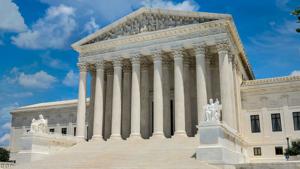
Supreme Court declines to hear public prayer case
Supreme Court to decide immigration asylum case

Illinois quick hits: Armed robbery charges after incident at Senate President’s office

Michigan school board passes controversial sex ed policies
Everyday Economics: Jobs data returns as government reopens
Meeting Summary and Briefs: Will County Land Use & Development Committee for November 6, 2025
Committee Rejects Rezoning for Fencing Company in Joliet Township
Supreme Court case could have major effect on 2026 midterms