Trump confirms Nvidia chip agreement
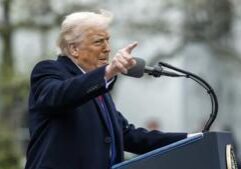
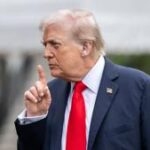
Nvidia will pay the United States 15% of the money it makes from selling artificial intelligence chips to China, President Donald Trump said in a press conference on Monday.
Trump said he allowed Nvidia CEO Jensen Huang to sell H20 chips to China while the company provides the U.S. government with a kickback of the profits.
“The H20 is obsolete,” Trump said. “So we negotiate a little deal so he’s, essentially, selling an old chip,” Trump added, referring to Huang.
Trump said he initially asked for a 20% cut from sales of Nvidia’s chips but the two landed on 15%.
In April, Trump banned Nvidia from selling H20 chips to China. The administration later reversed the ban in July.
A coalition of democratic lawmakers, including Sen. Chuck Schumer, D-N.Y., criticized the administration’s July reversal.
“Limiting the PRC’s access to advanced compute has been a focus of Congress: one with a strong bipartisan commitment across both chambers and both parties,” The letter read.
“The PRC’s development of advanced AI capabilities represents a clear risk to the United States’ national and economic security, and the administration’s willingness to trade away that security is extremely troubling,” the letter continued.



Cloudy
Latest News Stories

Retirees face $5,500 average cut to annual Social Security benefits in 2032

Illinois Quick Hits: Comptroller Mendoza announces run for Chicago mayor
Georgia doctors face scrutiny as they cozy up to injury lawyers

Wiener, Gallagher, Gray lead in congressional races
Desmond, Wilpert ahead in District 48 race to succeed Issa
Candidates advance in redrawn congressional districts
Illinois slaps limits on non-lawyer investor power in law firms
Law firm: California’s gender policies violate Constitution

Group challenges gender policies in New Mexico schools
Supreme Court rules for Texas in Rio Grande River lawsuit
Trump appoints housing regulator as acting spy chief
Mullin defends $118B Homeland Security budget request