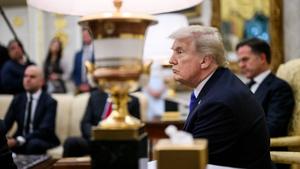
Trump delays China tariffs by 90 days
The deadline to enact further reciprocal tariffs against China will be extended by 90 days, President Donald Trump announced Monday night.
“[China] continues to take significant steps toward remedying non-reciprocal trade arrangements and addressing the concerns of the United States relating to economic and national security matters,” Trump explained in an executive order.
The deadline was set to expire on Aug. 12. The new deadline is set for after midnight on Nov. 10.
While negotiations with China are worked out, a 10% reciprocal tariff rate will remain in effect until Nov. 10, according to a fact sheet provided by the White House.
“President Trump is ensuring economic cooperation between two of the largest economies in order to protect American interests, stop unfair trade practices, and strengthen America’s domestic manufacturing base,” the fact sheet read.
In April, the U.S. imposed 145% tariffs against Chinese imports and China retaliated with 125% tariffs on U.S. goods.
The countries backed off these tariffs after meeting in May. The U.S. went down to 30% tariffs while China went down to 10%.
The fact sheet said the U.S. goods trade deficit with China was $295.4 billion in 2024. The White House said this number is “already decreasing substantially.”






Partly Sunny
Latest News Stories

Former judge Dugan avoids prison, fined $5K for obstruction

Food-borne illness cases spike as Michigan declares outbreak

Op-Ed: Women deserve protection from the harm of mail-order abortion pills

Minnesota woman pleads guilty to threatening state House speaker

Illinois lawmaker, husband indicted over alleged kickback scheme

Border Patrol warns of rideshare human smuggling risks in El Paso

Illinois Quick Hits: Gas prices show slight uptick as US military action resumes

Maine Democrats lining up to replace Platner in Senate race
Trump: U.S. to ‘probably’ strike Iran tonight; oil prices rise

Class action vs Apple over Face ID scans seeks to unlock big payout

Another fatal ICE shooting, this time in Houston

Census shows Illinois under-20 population declining faster than national average