Trump delays China tariffs by 90 days
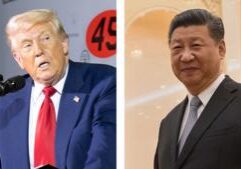
The deadline to enact further reciprocal tariffs against China will be extended by 90 days, President Donald Trump announced Monday night.
“[China] continues to take significant steps toward remedying non-reciprocal trade arrangements and addressing the concerns of the United States relating to economic and national security matters,” Trump explained in an executive order.
The deadline was set to expire on Aug. 12. The new deadline is set for after midnight on Nov. 10.
While negotiations with China are worked out, a 10% reciprocal tariff rate will remain in effect until Nov. 10, according to a fact sheet provided by the White House.
“President Trump is ensuring economic cooperation between two of the largest economies in order to protect American interests, stop unfair trade practices, and strengthen America’s domestic manufacturing base,” the fact sheet read.
In April, the U.S. imposed 145% tariffs against Chinese imports and China retaliated with 125% tariffs on U.S. goods.
The countries backed off these tariffs after meeting in May. The U.S. went down to 30% tariffs while China went down to 10%.
The fact sheet said the U.S. goods trade deficit with China was $295.4 billion in 2024. The White House said this number is “already decreasing substantially.”



Slight Chance Showers And Thunderstorms then Chance Showers And Thunderstorms
Latest News Stories
U.S. House vote on employee bargaining met with ‘political theater’ criticism

Eight killed in U.S. military counter-narcotics strikes

Hog producer: 2025 was strong, but IL legislature needs to address estate tax
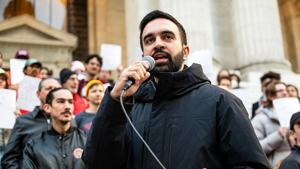
Zohran Mamdani sworn in as New York City’s mayor

Study: Interest rises in AI tools in education

Senators discuss what should be in Newsom’s Capitol speech

Round Barn Restoration Advances; New Parks Take Shape in Manhattan
Meeting Summary and Briefs: Jackson Township Board for Nov. 12, 2025

WATCH: TCS investigating potential child care center fraud in WA

GOP fiscal hawks balk at $5.7B for refugees in 2026 HHS funding bill

Trump to remove National Guard members from Chicago, LA, Portland

Fires, unrest, lawsuits, politics dominate Southwest in 2025