MAHA-style bill would close food additive safety loophole
With deregulation-focused Republicans in Congress reluctant to fulfill the industry-wary goals of the Make America Healthy Again initiative, some Democrats are taking up the torch.
Health and environmental activists have sounded the alarm for decades over the considerable leeway the Food and Drug Administration gives American corporations who profit from adding their chemical products to a host of consumer goods, including food.
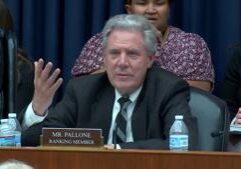
Rep. Frank Pallone’s, D-N.J., newly introduced legislation would close the Generally Recognized As Safe (GRAS) loophole, a voluntary disclosure system which allows companies to self-certify the safety of their own food and cosmetic additives, bypassing FDA’s pre-market testing and review.
Pallone’s Grocery Reform And Safety Act (GRAS Act) would require companies to provide the FDA with scientific evidence of their products’ safety before release onto the market or in consumer products. It would also authorize updated safety evaluations of food additives, color additives and substances currently labeled as GRAS every three years. Companies would have to shoulder at least part of FDA’s reassessment expenses.
“With kids across the country heading back to school, parents shouldn’t have to worry that the food in their lunch boxes or in their cafeterias contains chemicals that were never reviewed for safety. Parents deserve to know the food they’re buying for their families is safe,” Pallone said.
“Unfortunately, a law that is more than fifty years old is being used as a loophole by companies to evade scrutiny of the chemicals they’re putting in our food,” he added. “That’s not how food safety should work, especially when it comes to products our kids eat every day.”
Some food additives of concern that would fall under the legislation’s purview include BHA, BHT and ADA, all banned in the European Union.
BHA and BHT are added to foods like cereal as a preservative and food oils to keep them from going rancid. BHA caused tumor growth in multiple animal studies and is a suspected human carcinogen, while BHT damaged the liver and kidneys in animal studies.
ADA, or azodicarbonamide, is added to flour and bread as a whitening agent or dough conditioner, respectively. It is also used to make yoga mats and foam insulation. ADA fully breaks down into the chemicals semicarbazide and urethane, both suspected carcinogens.
Consumer protection and health advocates praised Pallone’s legislation, which Rutgers University Professor of Biostatistics and Epidemiology, Emily Barrett, saying the bill will shift the burden of avoiding harmful dietary exposures from the consumer to companies.
“Food is a leading source of exposure to numerous chemicals that can harm our health including forever chemicals, phthalates, pesticides, and more,” Barrett said. “It is time to enact policies that can protect everyone’s health by keeping harmful chemicals out of our food.”
While some MAHA-supportive Republicans may vote for the bill, many others will likely object to the legislation due to the regulatory burden it would place on companies. Federal website GovTrack, which monitors U.S. legislation, predicts the bill has only a 3% chance of becoming law.





Slight Chance Rain Showers
Latest News Stories

Zillow faces antitrust suit, consumer fraud claims amid housing crisis

Illegal immigrants across U.S. get financial aid for college

Illinois Quick Hits: Pritzker signs bill creating new state agency
Will County Board Members Spar Over Wheatland Township Mental Health Grant

Congressional candidate caught in teen takeover

REPORT: 2M Illinoisans face $500 cut as Social Security faces cliff

Illinois Quick Hits: Cook County announces $20M in CVI spending

Rising prices growing concern in Illinois, U.S.

Peoria school safety director faces criticism over social media post

Illinois Quick Hits: Rockford to fill budget gap with reserve funds

Feds seek to join case to halt Evanston black ‘reparations’ payments

Hern projected to win Oklahoma GOP Senate primary