Report: average American to receive $3,752 tax cut in 2026 due to OBBBA
The White House is touting a new economic analysis that estimates taxpayers will see an average $3,752 tax cut in 2026, due to provisions in the One Big Beautiful Bill Act.
According to the nonpartisan Tax Foundation report, taxpayers in every state will see reduced federal taxes next year, though there is “considerable geographic variation” in tax benefits.
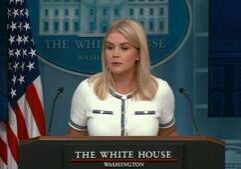
“President Trump’s One Big Beautiful Bill is the largest, most consequential tax cut on the middle class ever,” White House Deputy Press Secretary Anna Kelly said Friday. “Between lower inflation, massive investments, and historic tax cuts, all Americans are reaping the benefits of the Trump Economy – and the Golden Age has just begun.”
Republicans’ multitrillion-dollar OBBBA, among other things, made permanent the expiring 2017 Tax Cuts and Jobs Act’s across-the-board reduced tax rates; $15,000 standard deduction; $2,000 Child Tax Credit; 20% QBI deduction for small businesses; and $750,000 home mortgage interest deduction cap.
Three key business tax credits were made permanent as well – full reimbursement for new capital investments like machinery and equipment, an expanded deduction for corporation’s interest on debt, and immediate deductions for companies’ research costs.
The OBBBA also implemented a host of temporary tax provisions set to expire in 2030, including a quadrupling of the $10,000 state and local tax (SALT) deduction cap; a $6,000 deduction for seniors; and temporary tax deductions for tips and overtime pay, capped for single filers at $25,000 and $12,500, respectively.
Taken together, the Tax Foundation analysis estimates that the OBBBA’s tax provisions will lower individuals’ taxes in every state and create 938,000 full-time jobs in the long run.
Individuals in Wyoming, Washington, and Massachusetts will see the largest average tax cuts in 2026 – hovering around $5,100 – while residents of West Virginia and Mississippi will see the smallest average tax cuts that year, around $2,400. On a more local level, taxpayers in mountain resort towns will receive the highest average tax benefits while taxpayers in rural counties will receive the lowest tax benefits.
Once the temporary tax provisions expire, however, the average tax cut will fall to $2,505 in 2030, then climb to $3,301 by 2035 due to inflation.
Although individual households will benefit from the tax cuts, the country’s fiscal health likely won’t, according to budget watchdogs like the Congressional Budget Office. CBO estimates that the trillions in lost federal revenue will add an extra $4.1 trillion to the national debt by 2034.
The U.S. national debt just topped $37 trillion, as The Center Square reported.






Areas Of Drizzle
Latest News Stories

Nessel pushes back as Trump administration extends order keeping coal plant open
Bipartisan praise for federal charges in Minnesota fraud cases

Congress rejects Trump’s proposed NASA budget cuts

Comptroller, Chicago officials debate tax fund sweeps

No public funds for new transit safety group

The future of American troops in Europe; Iran lead Rubio’s meeting with NATO

Tennessee congressman files articles of impeachment against Roberts
Illinois Quick Hits: Chicagoland chamber opposes ditigal ad tax
Board suspends Camp Mystic co-owner’s nursing license

Illinois bill banning ‘easily convertible’ handguns could pass this session

Deadline approaches for $1 million school choice award

Biometrics privacy law’s territorial reach limited, appeals court says
Watchdog says Biden Education Department defied court order on Title IX enforcement