Trump signs bill studying cancer among military pilots
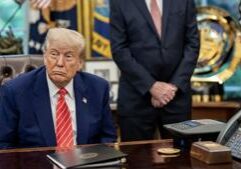
President Donald Trump has signed into law the Aviator Cancer Examination Study Act, which seeks to address cancer rates among former and current military aircrew members.
According to an Air Force study, these individuals experienced higher rates of melanoma, thyroid cancer and prostate cancer.
Building upon this study, the ACES Act requires the secretary of veterans affairs to investigate cancer and mortality rates for aircrew members who have served in the Navy, Air Force and Marine Corps.
The specific cancers the study will look into are melanoma, thyroid cancer, prostate cancer and others. The ACES Act is designed to help understand the link between certain types of cancers and military services.
U.S. Sens. Mark Kelly, D-Arizona, and Tom Cotton, R-Arkansas, who are both veterans, introduced this bill.
Kelly, a former Navy pilot, said, “Veteran aviators and aircrews deserve answers about the correlation between their job and cancer risks.”
“Getting this across the finish line has been a bipartisan effort from the start, and I’m proud to see this bill become law so we can deliver real answers and accountability for those who served,” he said.
Cotton, who was an Army infantry officer, said he was “grateful” to the president for making the ACES Act “the law of the land.”
“We owe it to past, present, and future aviators in the armed forces to study the prevalence of cancer among this group of veterans,” he explained.
In addition to having bipartisan support, many veteran groups and advocacy groups supported the ACES Act.
Jose Ramos, the Wounded Warrior Project’s vice president for government and community relations, said his organization was “proud to support” this piece of legislation.
He called the ACES Act a “critical step toward ensuring that veterans receive timely diagnoses, specialized screenings and the care they have earned.”
Theo Lawson, the assistant director of legislative programs for the military nonprofit Fleet Reserve Association, said this bill is a vital piece of legislation.
Lawson said the bill “directs critical research into cancer risks among military aircrew, ensuring better care and support for our aviators who have served our nation.”



Chance Showers And Thunderstorms
Latest News Stories
Manhattan School District 114 Honors Staff and First Responders Following Tragic Bus Accident
District 210 Reports Insurance Deficit Amid National Healthcare Cost Spikes; Finances Remain Stable

Planning Commission Backs 5-MW Peotone Solar Farm; Developer Pledges Pollinator Habitat and Community Funds
Joliet Junior College Board Approves $2 Tuition Increase Amidst Heated Debate Over Enrollment and Spending
Lincoln-Way Board Ratifies Three-Year Support Staff Contract with Significant Hourly Raises
Manhattan Township Weighs Hall Rental Fee Increase to Cover Professional Cleaning Costs
Jackson Township Prepares for Property Viability Pole Relocation, Addresses Northpoint Traffic Control
Manhattan School District Explores Alternative Transportation Amid Lincoln-Way Bus Challenges

Manhattan Ranked 6th Safest City in Illinois; Police Chief Warns of Traffic Accidents
Manhattan Township Assessor Initiates $13,500 Software Upgrade Amid Office Transition
Manhattan and New Lenox Renew Boundary Agreement Through 2046
Manhattan Board Approves Route 52 Safety Study and Multi-Use Path Engineering