Illinois law mandates pharmacies to sell needles, sparking safety debate
(The Center Square) – The Illinois Governor has signed House Bill 2589, which requires pharmacists to sell sterile hypodermic needles to patients who need them for medication.
Essentially, the law shifts the sale from a discretionary choice to a required, health-guided practice. It takes effect Jan. 1, 2026.
Supporters say the law ensures safe access and reduces disease risks, while critics warn it could make needles easier to obtain for illegal drug use and create public safety concerns. State Rep. John Cabello, R-Machesney Park, and a handful of Republicans in the House never voted on the measure.
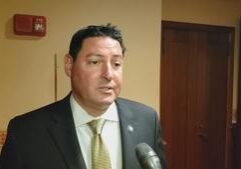
“It shouldn’t just be where you can walk into a pharmacy and get up to 100 needles,” Cabello said. “There should be some proof that it’s for legitimate medical use.”
A handful of Republicans in the Senate voted “no.” Former Democrat candidate for the 40th Senate District, Kimberly Earling, whose family has been personally affected by drug addiction, said the law could have prevented her daughter from contracting hepatitis C, emphasizing that safe access to clean needles can lower mortality rates and disease risks for intravenous drug users.
“An addict is going to use whether the needles are available or not,” Earling said. “Yes, it enables them, but it also prevents a lower mortality rate because they’re in a safe environment. No matter where she [her daughter Samantha] went to use, I was able to provide Narcan and clean needles to ensure she was in the safest environment possible.”
Pharmacists can still exercise professional judgment, providing counseling or referrals instead of relying on discretionary judgment. The law replaces the previous “may” with “shall,” making the sale mandatory for anyone 18 or older.
Cabello, a law enforcement officer, never voted on the measure, but stressed that additional safeguards, such as requiring a prescription for larger quantities, could help prevent potential abuse.
“My fear is that the needles could fall into the wrong hands and be used to shoot up illicit drugs,” said Cabello.
Earling, challenged incumbent state Sen. Patrick Joyce in part due to the district’s growing drug problem.
“Samantha actually contracted hepatitis C from sharing needles because, when she first started using, clean needles weren’t accessible. In the early 2000s, the law changed so people could walk into a pharmacy to obtain sterile needles,” said Earling. “I think more could be done at the state level if they required an in-hospital inpatient stay or a one-week detox, something along those lines, rather than just monitoring vitals and giving a brochure.”
In Illinois, the prescription requirement for purchasing hypodermic needles was removed on July 25, 2003, when Gov. Rod Blagojevich signed Senate Bill 880 into law.





Chance Showers And Thunderstorms
Latest News Stories
Manhattan School District 114 Honors Staff and First Responders Following Tragic Bus Accident
District 210 Reports Insurance Deficit Amid National Healthcare Cost Spikes; Finances Remain Stable

Planning Commission Backs 5-MW Peotone Solar Farm; Developer Pledges Pollinator Habitat and Community Funds

Joliet Junior College Board Approves $2 Tuition Increase Amidst Heated Debate Over Enrollment and Spending
Lincoln-Way Board Ratifies Three-Year Support Staff Contract with Significant Hourly Raises
Manhattan Township Weighs Hall Rental Fee Increase to Cover Professional Cleaning Costs
Jackson Township Prepares for Property Viability Pole Relocation, Addresses Northpoint Traffic Control
Manhattan School District Explores Alternative Transportation Amid Lincoln-Way Bus Challenges

Manhattan Ranked 6th Safest City in Illinois; Police Chief Warns of Traffic Accidents
Manhattan Township Assessor Initiates $13,500 Software Upgrade Amid Office Transition
Manhattan and New Lenox Renew Boundary Agreement Through 2046
Manhattan Board Approves Route 52 Safety Study and Multi-Use Path Engineering