
European Union says U.S. consumers will end up paying tariffs
European Union leaders detailed the terms of a trade deal they struck with President Donald Trump on Thursday, making sure to point out who will pay for what in the massive deal.
Since retaking office, Trump has hit nearly every nation with new tariffs and is working to reshape global trade to give American companies homefield advantage. But it could cost U.S. consumers.
“Tariffs are paid by the company importing the imported goods. So, for tariffs imposed by the U.S., it is the American importer who pays,” according to a fact sheet on the deal from the 27-nation bloc. “For example, if a European company exports shoes to the U.S., the U.S. company buying these shoes owe the tariffs to the U.S. government.”
The White House has insisted that foreign nations and businesses will pay the tariffs, not American consumers.
In May, White House press secretary Karoline Leavitt said, “The president is committed to ensuring that prices remain low for American consumers and he maintains the position that foreign countries will absorb these tariffs.”
EU officials disagreed.
“In many cases, the importing company will push to offset some of this cost either by asking for a discount from the supplier or by raising the price for end consumers,” according to the release. “In the end, it is usually the consumers (in this case, U.S. consumers) who will indirectly pay for the tariffs.”
Alex Durante, a senior economist at The Tax Foundation, said that in the past, the cost of import duties was shared by businesses and consumers. However, that might not be the case going forward.
“Historically, economists have found that foreign firms absorbed some of the burden of tariffs by lowering their prices, resulting in a combination of foreign businesses and domestic firms and consumers sharing the burden of tariffs,” Durante said. “In contrast to past studies, however, recent studies have found the Trump tariffs were passed almost entirely through to U.S. firms or final consumers.”
Last month, the Federal Reserve’s latest anecdotal “beige book” survey found that businesses across the country reported passing the cost of tariffs on to U.S. consumers.
“Many firms passed on at least a portion of cost increases to consumers through price hikes or surcharges, although some held off raising prices because of customers’ growing price sensitivity, resulting in compressed profit margins,” according to the report.
Those higher prices could become more visible later this year, according to the report.
Economists, businesses and some publicly traded companies have warned that tariffs could raise prices on a wide range of consumer products throughout the U.S.
New tariffs raised $58.5 billion in revenue between January and June of this year before accounting for income and payroll tax offsets, according to an analysis of federal data from the Penn Wharton Budget Model. The study found that the average effective tariff rate increased to 9.14% in June from 2.2% in January, when Trump returned to office.
Trump has said he wants to use tariffs to restore manufacturing jobs lost to lower-wage countries in decades past, shift the tax burden away from U.S. families, and pay down the national debt.
A tariff is a tax on imported goods that the importer pays, not the producer. The importer pays the cost of the duties directly to U.S. Customs and Border Protection, a federal agency.





Patchy Fog then Slight Chance Showers And Thunderstorms
Latest News Stories

JJC Board Meeting Halted by Lack of Quorum; New Student Trustee Sworn In

Jackson Township Outlines Spring Community Outreach, Prepares for Route 66 Centennial
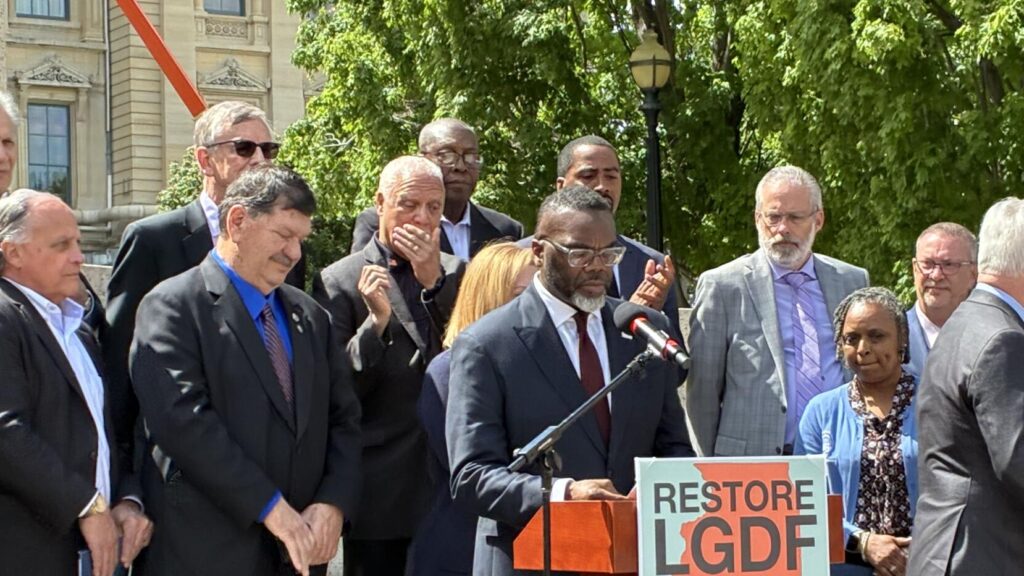
Johnson, municipal leaders statewide clash with Pritzker over local funding cuts
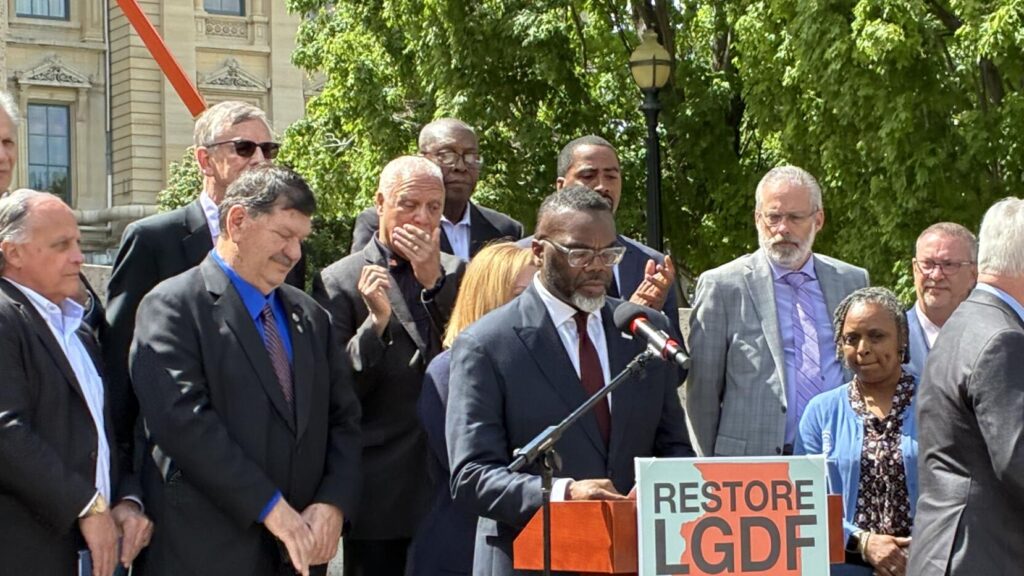
Johnson, municipal leaders statewide clash with Pritzker over local funding cuts

Pettit’s Home Run, Late Rally Propel Lincoln-Way West Baseball Past Andrew 5-2

Illinois bill would force employers to pay employees regular wages for jury duty

Foxx: Prosecutors’ ‘silence’ on murder exonerations doesn’t mean ‘innocent’

Foxx: Prosecutors’ ‘silence’ on murder exonerations doesn’t mean ‘innocent’

Foxx: Prosecutors’ ‘silence’ on murder exonerations doesn’t mean ‘innocent’

Illinois Quick Hits: ISU union workers reach deal, return to work

Illinois Quick Hits: ISU union workers reach deal, return to work

Illinois Dems eye $7B from new tax proposals, push ‘Billionaire Wealth Tax’