
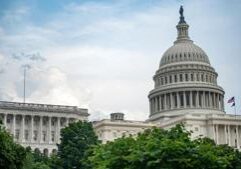
Lawmakers seek to offer immigrants temporary legal status
A bipartisan group of lawmakers have introduced a bill to offer immigrants the opportunity to live and work in the United States legally.
The Dignity Act of 2025 establishes a seven year temporary legal status program allowing immigrants to live and work legally based on the completion of certain tasks.
“We can enact legislation that incorporates both humanity and security, and the Dignity Act of 2025 offers a balanced approach that restores dignity to people who have tried to navigate a broken system for far too long,” said U.S. Rep. Veronica Escobar, D-Texas, a cosponsor of the bill.
The seven year temporary legal status is only offered to immigrants who have been in the country for five years or more. The program requires immigrants to pass a criminal background check, pay $7,000 in restitution over seven years, receive no federal benefits or entitlements and offers no path to citizenship.
“I’ve heard a lot of frustration, both from employers struggling to fill jobs and families looking to reunite with their loved ones,” said U.S. Rep. Mike Lawler, R-NY. “We must do this by fixing our broken legal immigration system, securing our borders, and creating a fair, earned process for those who are already here and contributing.”
The bill would also maintain southern border security measures, implement nationwide mandatory E-verify and expedite asylum processing. However, the bill claims it will not cost more for taxpayers because it will be funded through restitution payments from immigrants seeking temporary legal status.
“The Dignity Act of 2025 is a revolutionary bill that offers the solution to our immigration crisis: secure the border, stop illegal immigration, and provide an earned opportunity for long-term immigrants to stay here and work,” said Rep. Maria Salazar, R-Fla.
The bill claims it will increase availability and processing of legal status for immigrants that go through its seven year process.
Jeff Wasden, president of the business advocacy group State Business Executives, said the Trump administration has done well in securing the border and proposals like the Dignity Act are the next step to capitalize on economic growth from legal immigration pathways.
“Let’s keep focusing on the next important issues that impact communities and the business sectors and industries so critically,” Wasden said.
Wasden highlighted the importance of increasing legal pathways for workers in the hospitality and service industries, especially as the United States prepares to host events like the World Cup and the Olympics. He said these events will need significant amounts of labor dedicated to them and allowing more flexibility with legal pathways can help.
While the 2025 bill has received bipartisan support, an iteration of the proposal in 2023 did not receive a vote and failed to pass. Given mixed responses in previous years, it is unclear if the Dignity Act of 2025 will be able to cross this same threshold, since previous iterations have not succeeded.






Showers And Thunderstorms Likely
Latest News Stories

Six-Run Third Inning Propels Lincoln-Way West Softball Past Downers Grove South, 12-7

Pettit Homers, Four Pitchers Combine for Shutout as Lincoln-Way West Blanks Riverside-Brookfield, 9-0
Meeting Summary and Briefs: Will County Board Ad-Hoc Ordinance Review Committee for March 10, 2026

Ad-Hoc Committee: Will County Sheriff’s Office to Acquire Decibel Meters for Noise Complaints
Will County Public Works Approves Access for 56-Acre Truck Services Hub on Manhattan-Monee Road

Crest Hill Homeowner Granted Side Yard Setback Variance for Accessible Addition
State Update: County Officials Raise Alarms Over Pritzker’s ADU Zoning Push and Data Center Tax Breaks
Committee Approves $317K Guardrail Maintenance Contract Amid Discussion on Installation Dangers
Will County Approves Diamond Enterprise Zone Expansion to Support $355 Million Energy Investment
Federal Update: DHS Shutdown, War Powers, and Housing Legislation Dominate Washington
Will County Corporate Revenues Surpass Expectations, Igniting Debate Over Delinquent Tax Sales
Meeting Summary and Briefs: Will County Public Works and Transportation Committee for March 3, 2026

Will County Grants Extensions for Seven Solar and Commercial Projects Amid Permitting Delays
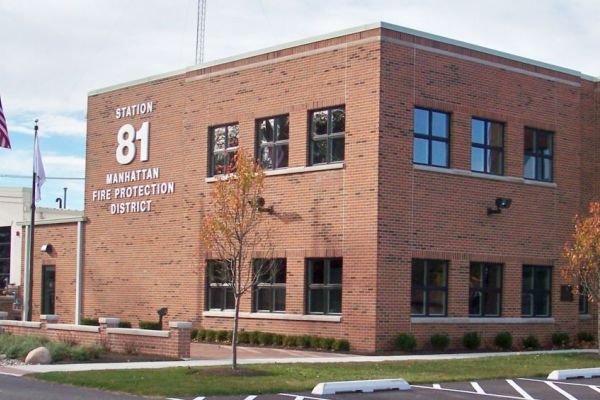
Construction Progresses on New Manhattan Fire Station, August Completion Anticipated