Op-Ed: Illinois just cemented its place as a ‘Legislative Inferno’
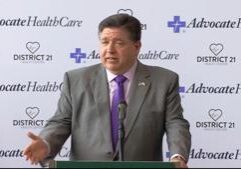
Illinois already has a reputation for having one of the most hostile civil legal climates in America. On August 15, 2025, Governor JB Pritzker signed Senate Bill 328 into law and, with a single signature, took our business climate from bad to worse. The American Tort Reform Association’s recent Legislative HeatCheck Report had already warned of the dangers if this bill became law. Now that it has, we can expect those warnings to become reality, cementing Illinois as a “Lawsuit Inferno” for years to come.
This isn’t hyperbole. Senate Bill 328 fundamentally changes the civil legal standard so that out-of-state plaintiffs can sue out-of-state businesses for out-of-state disputes in Illinois courts, simply because some of the defendants’ business operations are located in the state. In plain English: our courts are now a magnet for lawsuits from across the country, even when the parties and the inciting event have nothing to do with this state.
For small business owners like me, this is a slap in the face. My company, Atlas Tool Works in Lyons, employs skilled Illinois workers, pays Illinois taxes, and invests in Illinois communities. Instead of making it easier to grow and create jobs, Springfield just made it easier for trial lawyers to cash in at the expense of our job creators.
Let’s be clear about what’s driving this. Since Election Day 2022, the trial bar has poured over $1 million exclusively into Democratic candidates and committees. According to the report, 81% of the Illinois Trial Lawyers Association PAC’s contributions went directly to legislative candidates or PACs tied to the General Assembly and Senate. These are strategic investments aimed at expanding liability and creating new avenues to sue, lining lawyers’ pockets while Illinois companies foot the bill.
The consequences will be far-reaching. This law sends an unmistakable message to employers across the Prairie State: Illinois is closed for business. Why expand or relocate here if you can be dragged into our courts for something that didn’t even happen here? We’re already struggling with out-migration and lagging investment, and SB 328 works to pour gasoline on that fire.
Illinois families are already paying for our lawsuit-friendly civil justice system. We rank eighth highest in the nation for “tort tax” – the hidden cost of excessive litigation – adding more than $7,600 to every family’s budget each year. Now, with SB 328, those burdens will only grow, siphoning even more money for basic household necessities and funneling it into legal fees and egregious settlements.
But this doesn’t have to be the status quo. Illinois should be focusing on attracting investment instead of lawsuits. We can build a legal climate that is fair, balanced, and competitive. But that will require political will.
The call to action is simple and urgent: In the 2026 legislative session, lawmakers must roll back SB 328. Whether our legislators repeal it outright or, at a minimum, restore common sense guardrails, change is needed immediately. Anything less leaves Illinois on the wrong side of competition and common sense.
For the sake of Illinois’ economic future, we need leaders willing to stand up to special interests and undo this damage in 2026. Until then, business owners like me will keep asking the same question: how much longer can we afford to stay in Illinois?






Chance Showers And Thunderstorms
Latest News Stories

Beecher bids farewell to Chief Lemming following retirement
DeWine defends fraud safeguards at Ohio child care facilities

Illinois quick hits: State keeps more tax revenue, locals get less

U.S. House contests to decide control of Congress in 2026

‘Locked and loaded’:Trump warns Iran

First negotiated Medicare drug prices go into effect Jan. 1
U.S. House vote on employee bargaining met with ‘political theater’ criticism

Eight killed in U.S. military counter-narcotics strikes

Hog producer: 2025 was strong, but IL legislature needs to address estate tax

Zohran Mamdani sworn in as New York City’s mayor

Study: Interest rises in AI tools in education

Senators discuss what should be in Newsom’s Capitol speech