Postal traffic to U.S. dropped 80% after end of duty-free shipping
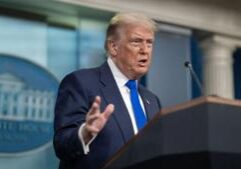
Postal traffic to the U.S. plummeted 80% after President Donald Trump suspended the duty-free de minimis exemption on Aug. 29.
The Universal Postal Union, the United Nation’s specialized agency for global postal cooperation, reported the decline.
The data, exchanged between postal operators via the UPU’s electronic network, showed that traffic from UPU member countries to the U.S. was down 81% on Aug. 29 – the day the regulation was implemented – compared to the previous Friday, Aug. 22.
“Furthermore, 88 postal operators informed the UPU they have suspended some or all postal services to the U.S. until a solution is implemented, highlighting the widespread impact of the U.S. Executive Order eliminating the de minimis exemption for low-value goods,” the UPU statement noted.
UPU rolled out its solution late last week.
“The UPU has in its mission the responsibility to guarantee the free circulation of postal items over a single postal territory,” UPU Director General Masahiko Metoki said. “We’re working to uphold that responsibility with the rapid development of a new technical solution that will help get mail moving to the United States again.”
The de minimis duty exemption, which previously allowed goods valued at $800 or less to enter the country without paying duties or certain taxes, ended Aug. 29. The exemption helped online retailers, including Chinese-based Temu, Shein, and many others, as online shopping boomed over the last decade.
The suspensions apply to commercial shipments, not to items sent person-to-person.
As online shopping took off in the U.S., the number of shipments entering the U.S. claiming the de minimis administrative exemption increased by more than 600% from about 139 million in fiscal year 2015 to more than 1 billion in fiscal year 2023. De minimis shipments topped 1.36 billion in 2024, according to U.S. Customs and Border Protection.
Since 1938, the de minimis duty exemption let people avoid paying import tariffs and taxes on items of small value and reduced customs processing, including inspections. The limit was $200 for many years, but President Barack Obama bumped it up to $800 in 2016.
Former President Joe Biden’s U.S. Customs and Border Protection proposed tightening the de minimis rule days before he left office.
Trump first suspended the exemption in February, citing the dangers of letting packages from foreign nations cross without inspection amid the fentanyl epidemic. Trump paused that initial executive order until his Secretary of Commerce, Howard Lutnick, said systems were in place to “fully and expeditiously process and collect duties” on goods that would have qualified for the exemption.



Showers And Thunderstorms
Latest News Stories
Executive Committee Details Spending of $134 Million in Pandemic Relief Funds
Ohio congressional districts must be redrawn this fall
Treasury sanctions accused Costa Rican drug traffickers
S&P keeps U.S. outlook stable, but says federal finances won’t improve

Lawmaker criticizes $500 student board scholarships amid lowered K‑12 standards

Mayor Karen Bass’s charity skips working Americans, data suggests

Illinois news in brief: Work begins on $1.5 billion O’Hare expansion; Police catch man accused of road rage, shooting

Putin, Zelenskyy to meet after ‘successful’ peace talks with Trump
WATCH: Dems, GOP battle over CA redistricting
Trump holds high-stakes peace talks with Zelenskyy, European leaders
Newsom files FOIA request on border patrol’s appearance

Soaring utility bills, solar federal tax credit cuts dominate Illinois energy debate