Manhattan Eyes Major Water and Sewer Rate Hikes to Fund Over $50 Million in Infrastructure Projects
Article Summary: To address aging infrastructure and prepare for significant future growth, Manhattan officials are planning more than $50 million in crucial water and sewer system upgrades, which will necessitate a series of rate increases for residents over the next several years.
Manhattan Village Board Finance Workshop Key Points:
-
Future projects include a new $6 million water tower and a $42.6 million expansion of the wastewater treatment plant.
-
A proposed multi-year rate increase would begin with a $1.65 hike in the water usage rate on Jan. 1, 2026, followed by further increases in subsequent years.
-
Officials state the upgrades are necessary to replace 20-year-old equipment, accommodate a projected population of 20,000 by 2050, and meet stricter IEPA regulations.
MANHATTAN – Village officials are preparing for a massive, multi-year overhaul of Manhattan’s water and sewer infrastructure, a plan carrying a price tag of more than $50 million that will require gradual rate increases for residents to fund.
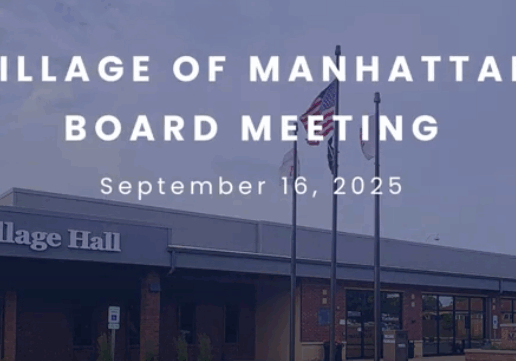
The scope of the necessary projects was detailed during a Village Board Finance Workshop on September 9. Mayor Mike Adrieansen said the workshop’s purpose was to review major improvements required within the next five years to ensure the village’s infrastructure remains reliable.
“After careful analysis with the Public Works Department and Finance Department, it’s necessary to increase water and sewer rates and certain fees,” Mayor Adrieansen said, proposing that the rate hikes be spread over three years to lessen the impact on residents.
The proposed projects include a new Public Works facility (
6million),anewwatertowerforWell7(6 million), and a comprehensive expansion of the well water treatment plant estimated to cost $42.6 million. These are in addition to the ongoing $9.7 million project for the Well 7 treatment and radium removal facility.
Dan Small of Strand Associates, the village’s engineering consultant, explained that growth is a major driver for the upgrades. The village’s 2025 Comprehensive Plan projects a population of 20,000 by the year 2050, which will require the wastewater treatment plant’s capacity to double from its current 1.35 million gallons per day (MGD) to 2.7 MGD.
However, Small noted that growth is not the only factor. “The last project was in 2005 and the mechanicals are going to need to be replaced soon,” he said. “The mechanicals are about twenty years old and that is about the shelf life before items start breaking down.”
The expansion will also address new regulatory requirements from the Illinois Environmental Protection Agency (IEPA), which is reducing the allowable limit for phosphorus in treated wastewater.
To fund the bonds for these large-scale projects, the village is proposing a multi-step increase in utility rates. The plan includes a $1.65 increase in the water usage rate starting January 1, 2026, followed by annual increases of $0.61 for the next three years. The sewer rate would see a proposed increase of $1.31 each year, beginning in 2027 for three years. Officials noted these figures could be adjusted if grant funding is secured.


Partly Sunny
Latest News Stories

Illinois Quick Hits: $63M construction research center completed
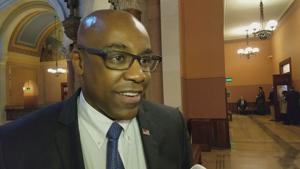
Illinois attorney general has paid private attorneys $2 million in recent years
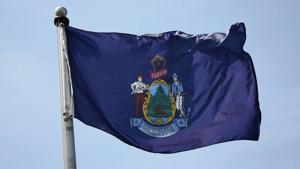
Platner drops campaign for Maine’s U.S. Senate seat

Hundreds of thousands of acres burn as fires spread in West

Feds buy two immigration detention centers for $1.5 billion
Chicago court tosses order blocking Florida from suing over kids’ transgender meds
Toyota set to construct $3.6 billion expansion in San Antonio
Republicans silent, Democrats irate at Iran ceasefire collapse
Chicago aldermen consider election reforms, cost savings

U.S. launches more strikes against Iran

Trump calls American military operation in Iran a ‘tremendous military success’
U.S. Energy Department finalizes $3.3B loan to Texas utility