Will County Considers Moving Land Use Public Hearings Away from Full Board Meetings
Article Summary: A proposal to move the final public hearing for zoning and land use cases from the full Will County Board meeting to the Land Use & Development Committee sparked a debate on Tuesday about government efficiency versus public accessibility. Proponents argue the change would streamline lengthy meetings and reduce redundant processes, while opponents contend it would limit residents’ access and diminish the role of the full elected board in the hearing process.
Public Hearing Relocation Key Points:
-
County Board Speaker Joe VanDuyne proposed moving the public hearing for land use cases from the full board meeting to the Land Use & Development Committee.
-
Will County currently holds three public input sessions for zoning cases: one at the Planning and Zoning Commission (PZC), an informal one at the Land Use Committee, and a final hearing at the full board.
-
Supporters of the change cite improved efficiency, reduced costs for applicants, and less redundancy, noting the county already exceeds the single state-mandated hearing at the PZC.
-
Opponents worry the move would reduce public access for those who can only attend the full board meeting and limit the ability of all 22 elected members to question applicants and residents directly.
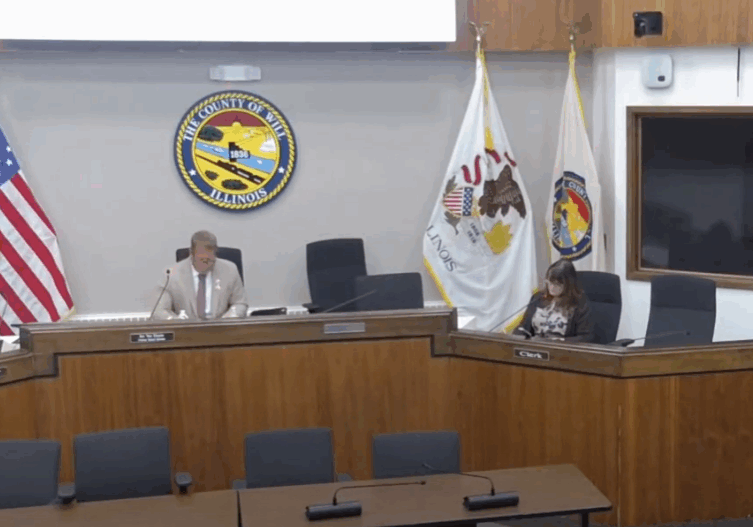
JOLIET, IL – The Will County Board Executive Committee on Thursday, October 9, 2025, engaged in a lengthy discussion over a proposal to restructure its public hearing process for land use cases, a move that supporters say would increase efficiency but critics argue could reduce public transparency.
County Board Speaker Joe VanDuyne initiated the discussion, suggesting that the final public hearing for zoning cases be held at the Land Use & Development Committee meeting rather than at the full County Board meeting. Currently, land use cases are subject to three public forums: a formal public hearing at the Planning and Zoning Commission (PZC), an informal but similar process at the Land Use committee, and a final public hearing before all 22 members of the County Board.
“By state statute, we are supposed to have at least or minimum of one public hearing,” VanDuyne explained, noting that the PZC hearing fulfills this legal requirement. He argued that the county goes “above and beyond” and that consolidating the second hearing at the committee level would streamline the process.
Land Use Committee Chair Frankie Pretzel supported the change, calling the current system “wasteful.” He argued that holding three separate hearings is inefficient for the public, staff, and attorneys, and creates confusion for applicants. “I think it makes a lot of sense,” Pretzel said.
Board member Jacqueline Traynere also favored the proposal, highlighting the financial burden on applicants. “Attorneys… are a very expensive commodity, and really to cause landowners or applicants to have to pay those extra fees because we’ve decided that we need to hear from them more than once,” she said.
However, the proposal met with significant resistance from other board members who raised concerns about public access and the role of elected officials.
“If we take away the public hearing from the county board meeting… you can’t hear it, you can’t listen to it,” said board member Judy Ogalla. She argued that residents who cannot attend earlier committee meetings rely on the full board meeting to have their voices heard and that board members need the opportunity to ask questions based on testimony presented there.
Board member Daniel J. Butler contended that the final hearing should remain before the entire elected body. “The reason that I like the hearing to be at the board is because it’ll be before the elected people,” he said. He expressed concern that moving the hearing to a smaller, appointed committee could concentrate power and not fully represent the interests of the entire county.
An assistant state’s attorney clarified that the board’s rules do not require a public hearing at the full board meeting and that the Speaker has the discretion to set the agenda. It was also noted that residents could still speak during the public comment portion of the full board meeting, though they would be limited to three minutes and their testimony could not be considered evidence.
Given the divided opinions, VanDuyne concluded the discussion by stating he would bring the proposal back for further consideration at a future meeting.




Chance Showers And Thunderstorms
Latest News Stories
Corporal Ingram completes elite leadership training program

Meeting Summary and Briefs: Will County Board Executive Committee for January 8, 2026

Automatic Sprinklers Contain Industrial Fire in New Lenox
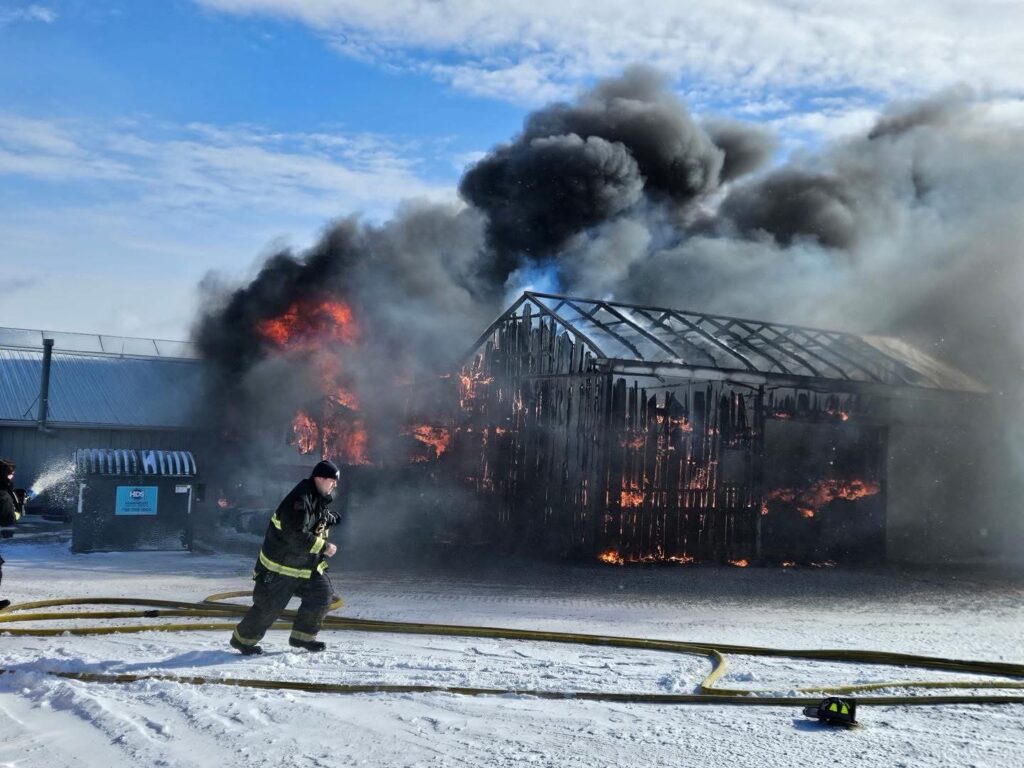
Blaze Destroys Building and Food Truck at Woldhuis Sunrise Nursery

Manhattan PD Celebrates Officer Podkul’s 20th Anniversary

Manhattan Woman Killed, Students Uninjured in Head-On School Bus Crash
Pritzker signs Clean Slate Act to automatically seal some criminal convictions

Freight Clusters Drive Push for Overhaul of Wilmington-Peotone Road; County Advances Broader 2050 Plan
Sunny Hill Administrator Defends Private Room Model Amidst Capacity Discussions

Manhattan School Board Votes to Adopt ‘Committee of the Whole’ Meeting Structure

Elite private colleges can’t cap off price-fixing collusion class action
Illinois Quick Hits: GOP gubernatorial forum set for Monday