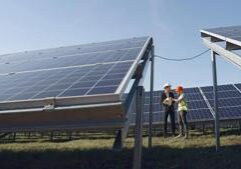
Lawmakers, advocates discuss battery storage, consumer costs in energy bill
(The Center Square) – An Illinois state lawmaker is pushing battery storage legislation, but not all of her Democratic colleagues are on board.
State Rep. Ann Williams, D-Chicago, said the Clean and Reliable Grid Affordability Act (CRGA) builds upon the Climate and Equitable Jobs Act (CEJA), which Gov. J.B. Pritzker signed into law in 2021, but Williams said the landscape has changed dramatically.
“Data centers, advanced manufacturing practices and, of course, the efforts we’ve all made toward electrification are generating a lot of demand,” Williams said during a press conference Tuesday at the Illinois Capitol.
Williams was joined by members of the solar industry and clean energy advocates and said she hoped to get the bill passed during fall veto session this month.
“Storage is where it’s at,” Williams asserted.
State Sen. Willie Preston, D-Chicago, expressed concerns about the cost of battery storage.
“I know that any other line item put on a utility bill, a light bill, could just crush working-class people in these high inflationary times,” Preston told The Center Square last Friday.
Preston said he’s a “hard no” on an energy omnibus.
Energy industry leaders are similarly divided when it comes to CRGA’s price tag.
Barry Matchett of Clearway Energy Group, a national renewable and battery storage developer, said CRGA would save ratepayers $34 billion over the next 20 years.
“A big part of it is the storage section for utility-scale storage,” Matchett said at Tuesday’s press conference in Springfield.
Jim Watson, executive director of the American Petroleum Institute in Illinois, said CRGA would provide about $14 billion through 2035 for six gigawatts of battery storage, or about four hours of energy storage per day. Watson said transmission losses and the intermittent nature of wind and solar would reduce the capacity to about two hours per day.
“It’s going to be a hit to consumers. It’s going to be a hit to large industrial users,” Watson told The Center Square.
Watson said the measure’s projected cost savings by advocates include indirect benefits that are not guaranteed. He noted it is unusual that the legislation does not include price caps to protect consumers.
“I think what you’re going to find is, you know, the solar people don’t want that. They want to be able to get the maximum return,” Watson explained.
Watson said battery storage will not solve Illinois’ capacity issues.
“The one thing that we’re going to have nationwide is capacity issues, energy capacity. The only way to get there is through natural gas, or nuclear, but nuclear’s going to take a long time to build,” Watson told The Center Square.
Watson said he hopes Gov. J.B. Pritzker relaxes decarbonization mandates to meet the energy demands of data centers and artificial intelligence.





Chance Showers And Thunderstorms
Latest News Stories
Manhattan School District 114 Honors Staff and First Responders Following Tragic Bus Accident
District 210 Reports Insurance Deficit Amid National Healthcare Cost Spikes; Finances Remain Stable
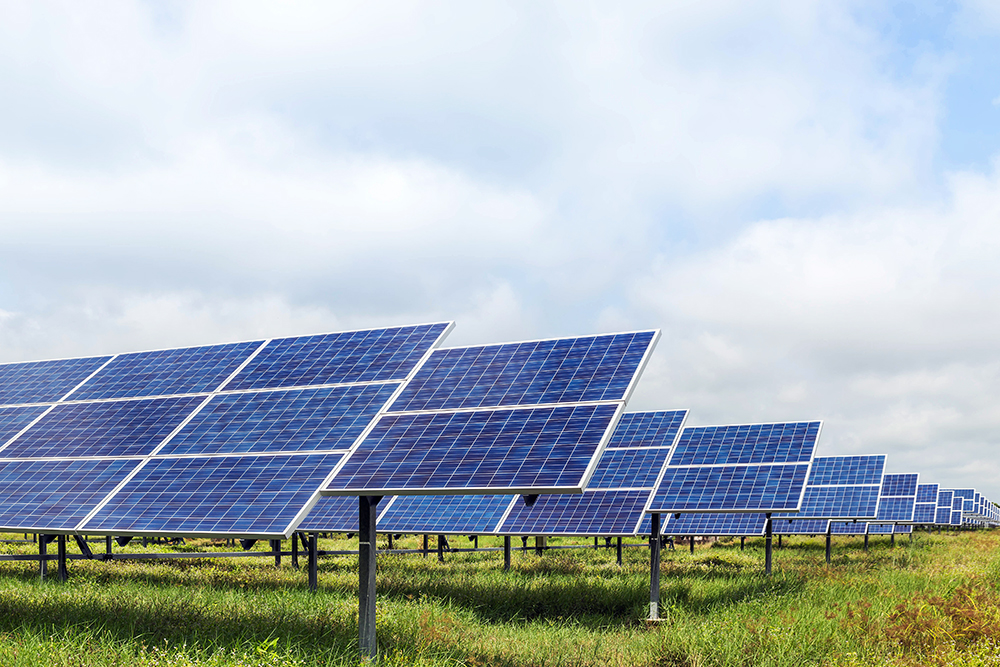
Planning Commission Backs 5-MW Peotone Solar Farm; Developer Pledges Pollinator Habitat and Community Funds

Joliet Junior College Board Approves $2 Tuition Increase Amidst Heated Debate Over Enrollment and Spending
Lincoln-Way Board Ratifies Three-Year Support Staff Contract with Significant Hourly Raises

Manhattan Township Weighs Hall Rental Fee Increase to Cover Professional Cleaning Costs

Jackson Township Prepares for Property Viability Pole Relocation, Addresses Northpoint Traffic Control
Manhattan School District Explores Alternative Transportation Amid Lincoln-Way Bus Challenges

Manhattan Ranked 6th Safest City in Illinois; Police Chief Warns of Traffic Accidents
Manhattan Township Assessor Initiates $13,500 Software Upgrade Amid Office Transition
Manhattan and New Lenox Renew Boundary Agreement Through 2046

Manhattan Board Approves Route 52 Safety Study and Multi-Use Path Engineering