Inflation-adjusted teacher salaries drop despite record spending on public education
(The Center Square) – A new report says structural problems have led to record-high spending on public education in Illinois and across the United States.
Reason Foundation’s K-12 Education Spending Spotlight 2025 found that record-high funding of U.S. public schools is approaching $1 trillion.
The report author, Reason Foundation Director of Education Reform Aaron Garth Smith, said the higher taxpayer costs are driven by structural problems with public education financing.
“One is a surge in non-teaching staff and sort of a focus away from academics, so we found that between 2002 and 2023, public school enrollment only grew by 4.1% but non-teaching staff such as counselors, psychologists, social workers, instructional aides, non-instructional staff grew by nearly 23%,” Smith told The Center Square.
Smith said teacher pension debt has caused a sharp increase in benefit spending, and empty school buildings are also a structural problem.
“Since the pandemic, public schools have lost nearly 1.2 million students, but they haven’t closed schools to keep pace with this. This spreads resources thin,” Smith explained. “It takes resources out of the classroom, and it’s something that public schools will have to grapple with in the coming years.”
Despite the higher spending, the report found that the average Illinois teacher’s inflation-adjusted salary dropped nearly 8% between 2002 and 2022.
“That is surprising, especially since public school spending has increased so rapidly across the last couple of decades. A lot of those dollars are going to pay off pension debt,” Smith said.
Earlier this year, Chicago Public Schools teachers approved a new four-year contract to raise the average CPS teacher’s salary to more than $114,000 per year.
“In certain cities or certain school districts, the trends might vary, but as a whole, spending is way up in Illinois but those dollars aren’t finding their way to teacher salaries. It’s up to policy makers and taxpayers and other stakeholders to ask the question of why is this the case and how do we address this problem,” Smith said.
Smith said the solutions are both incredibly simple and incredibly difficult.
“Difficult in that you need to address the structural challenges. Teacher pension debt, of course, is not going to disappear overnight, and policymakers need to make the difficult decisions to start paying that down, and the same thing with non-instructional staff,” Smith said.
On the other hand, Smith said states like Mississippi and Louisiana have improved test results simply by focusing on academics.
“They’ve implemented reforms that make public schools focus on core subjects, particularly reading,” Smith said.






Chance Showers And Thunderstorms
Latest News Stories

Board Approves New Chief of Staff and Dean Roles; Trustees Clash Over Hiring Transparency
Green Garden Township Residents Threaten Incorporation to Block 6,000-Acre Solar Farm

Library Board Proposes Land-for-Services Swap with Village of Elwood for Mississippi Lot

Meeting Summary and Briefs: Jackson Township Board for January 14, 2026
Winter Benchmark Data Highlights Growth in Reading and Math Across Manhattan District 114
Board Approves $479,000 Wireless Network Overhaul to Replace Aging Tech
Executive Committee: Tension Rises as Republican Whip Removed from Panel
Ad-Hoc Committee: County Stripped of Power to Regulate Motor Races, Must Drop Solicitor Fees Due to State Statutes

Commission Overrides Staff Recommendation, Approves Manhattan Township Barn Expansion
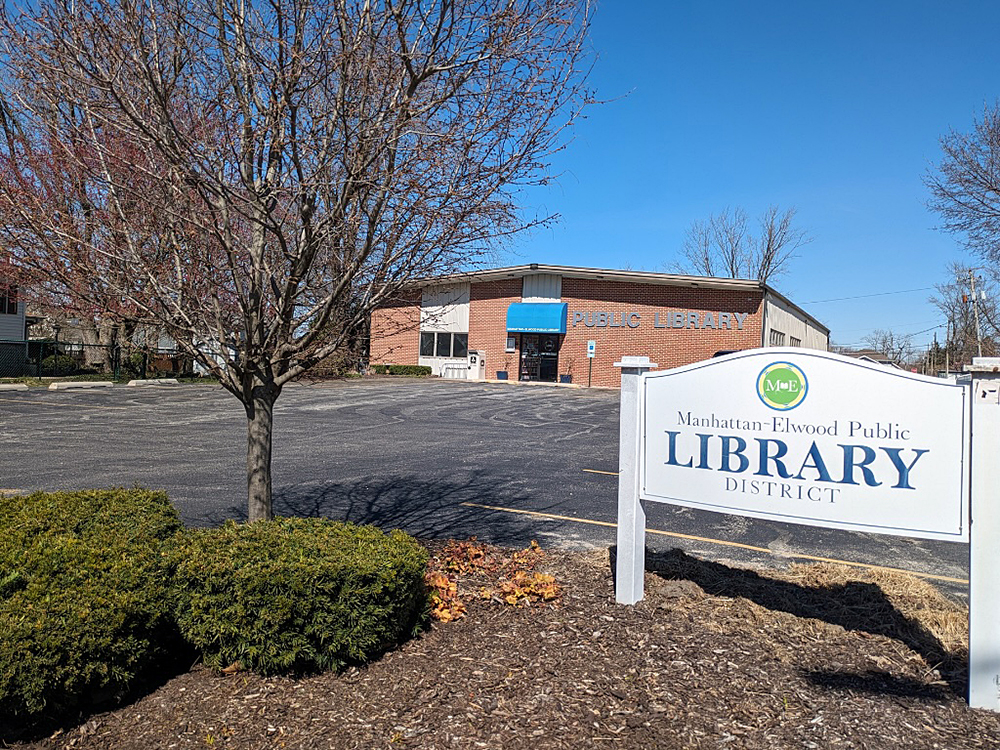
Manhattan-Elwood Library Board Approves Over $21,000 for Playroom Renovation and Picture Book Shelving

Meeting Summary and Briefs: Manhattan Township for January 13, 2026
Jackson Township Board Approves Elwood Baseball Donation, Reviews Food Pantry Transition

Meeting Summary and Briefs: Village of Manhattan Board for February 17, 2026