
CTU can’t sue group for campaigning in union elections
A federal appeals panel won’t let the Chicago Teachers Union sue a rival group over allegations it campaigned on behalf of CTU members seeking leadership posts.
At issue is the federal Labor Management Reporting and Disclosure Act, a 1959 law that bars a union or an employer from spending money promoting candidates for union office. CTU and member Moselean Parker accused a rival group, Educators 4 Excellence, of violating that law by recruiting and promoting candidates during a May 2022 CTU election cycle.
After U.S. District Judge Edmond Chang dismissed the complaint, CTU took the issue to the U.S. Seventh Circuit Court of Appeals. Judge Michael Brennan wrote the panel’s opinion, filed Nov. 19; Judges Joshua Kolar and Nancy Maldonado concurred, with Maldonado writing a brief special concurrence.
“Educators 4 Excellent is a nonprofit corporation whose goal is to limit the power of teacher unions,” Brennan wrote. “Educators sought out candidates for the election who would attempt to limit the power of teacher unions and their ability to collectively bargain over certain issues.”
The group’s website says its members include 30,000 teachers concerned their voices as educators are “consistently left out of education policy decisions.”
On appeal, CTU and Parker insisted the LMRDA implies the right of private organizations to sue. Brennan noted Educators doesn’t dispute it meets the legal definition of an employer under the law, then began his analysis by examining the history of implied and express rights and acknowledging CTU’s brief “appears not to contest” Judge Chang’s conclusion the law doesn’t specifically grant it the right to sue.
The panel held Congress didn’t intend for the type of legal action CTU and Parker pursued. Most revealing, Brennan said, is the law specifies enforcement remedies.
“For 60 years,” he noted, the U.S. Supreme Court has endorsed a statutory structure in which the Secretary of Labor “brings civil actions on behalf of aggrieved union members. That exclusivity strongly, if not dispositively, suggests that Congress intentionally omitted a private right of action as an alternative way to enforce.”
Brennan also noted union members can file federal complaints after an election, but CTU sought pre-election enforcement. He said allowing such actions would disrupt a congressional choice against allowing litigation to delay union elections. The panel also said other LMRDA provisions do allow pre-election lawsuits from individual union members, allowing the presumption that Congress would have created that permission structure in this instance, if it wanted to.
The panel further noted other federal appellate courts have reached similar conclusions and rejected CTU’s argument that LMRDA’s Title I and Title IV, which covers its complaint, are sufficiently symmetrical to expand protections and procedures from one to the other.
CTU referenced a 1964 U.S. Supreme Court opinion, Local 82 Furniture & Piano Moving v. Crowley, saying it recognized union members’ right to sue their union for interfering with Title I rights, but Brennan noted the opinion reiterated the exclusive remedy stance the panel had already explained.
“So although Crowley did discuss the overlap between Title I and Title IV, the case cannot be read as expanding enforcement” per CTU’s arguments, Brennan wrote.
The panel further rejected CTU’s arguments for why “the explicit remedy, filing a complaint with the Secretary of Labor, is inadequate,” Brennan said, and refused to agree with the implication a private right of action is superior, explaining Congress should be making that type of consequential decision.
In her concurrence, Judge Maldonado said the majority’s result was correct regarding the absence of an implied right of action in this instance but said it needlessly dated the broader doctrine as a relic.
“I have reservations with that gloss such that I cannot join the opinion in full,” Maldonado wrote. “While no longer en vogue, the doctrine of implied rights of action remains alive and has been employed by this circuit and the Supreme Court in more recent years.”






Showers And Thunderstorms Likely
Latest News Stories
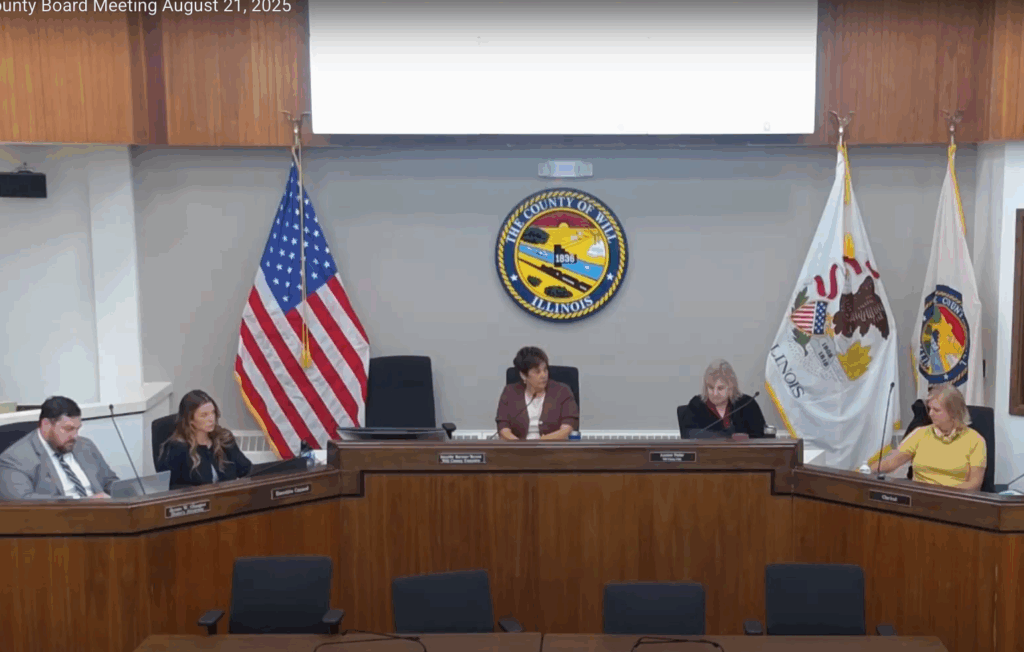
Will County Board Formally Opposes Heavier, Longer Trucks on National Roadways

Meeting Summary and Briefs: Manhattan Park Board for July 2025
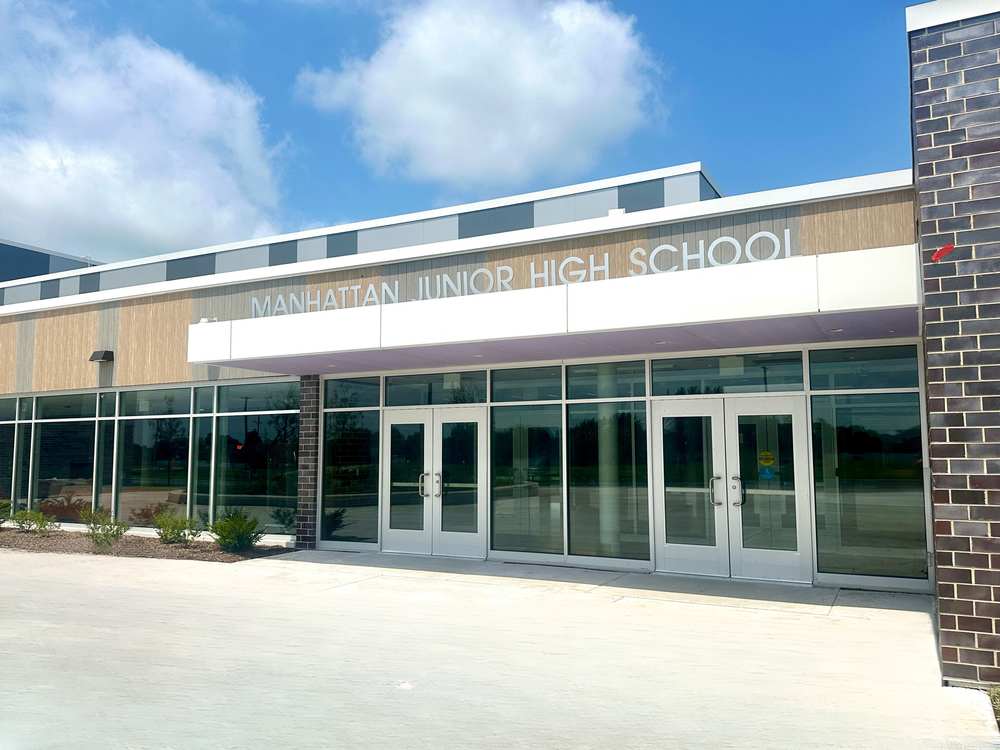
School Board Debates Governance Structure, Tables Decision Until November

Energy advocate applauds oil and gas commingling updates

Will County Board Approves Permits for Landscaping Business and Restaurant Liquor Service in Frankfort Area
Board Approves Engineering Contracts for Mokena Road Widening

Will County Awards $1.46 Million Contract for Kankakee Street Bridge Replacement in Manhattan Township
Crete Township Community Center to Get New Digital Sign
Texas legislature passes redistricting map, governor to sign into law
Dow hits record high after Fed Chair hints at September rate cuts
WATCH: Newsom optimistic about redistricting despite poll

Newsom meets with Danes, talks about Trump but not 2028