IL, Chicago, suburbs to get up to $280M in Monsanto PCB deal
Illinois’ state government, as well as Chicago and nine North Shore suburbs, could be in line for as much as $280 million under a deal struck with agrichemical giant Monsanto, through its parent company Bayer, to end governmental lawsuits accusing the company of allegedly contaminating water with so-called PCBs.
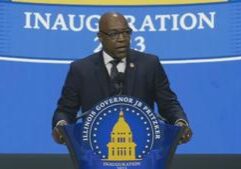
The settlement was announced Dec. 2 by both Illinois Attorney General Kwame Raoul and Bayer Monsanto.
Under the terms of the deal, Bayer will pay $80 million to the state of Illinois, ostensibly to help fund efforts to address alleged contamination caused by polychlorinated biphenyls (PCBs.)
Some of that money will then be shared with the city of Chicago, as well as municipal governments in the suburban communities of Evanston, Lake Forest, North Chicago, Zion, Beach Park, Glencoe, Lake Bluff, Winnetka and Winthrop Harbor.
According to releases announcing the settlement, $40 million of that initial total will be paid in 2026.
However, the settlement will further allow for Illinois and the communities to receive as much as $200 million more in coming years, based on Bayer’s ability to use related lawsuits to force “Monsanto’s former customers” to pay for the alleged contamination, as well. That litigation remains pending against six large companies in court in Missouri.
In its statement, Bayer Monsanto said the companies were the largest of its former PCB customers.
“This settlement helps Illinoisans recover from the unlawful and reckless behavior that led to contamination in their communities,” Raoul said in a prepared statement. “PCBs have been banned in the U.S. for decades. I’m pleased that this settlement will hold Monsanto accountable for producing and disposing of a dangerous toxic chemical that continues to impact Illinois’ natural resources.”
In its statement, Bayer Monsanto said: “The settlements contain no admission of liability or wrongdoing by the company.”
Illinois had filed suit against Monsanto and some of its subsidiaries in 2022 in Cook County Circuit Court.
The state’s lawsuit was then followed by separate complaints lodged by Chicago and the suburban cities and villages, lodging similar allegations.
The complaints sought to force Monsanto to pay for allegedly making and selling PCBs for decades that ended up contaminating creeks, rivers, lakes and beaches in Illinois, harming wildlife and other natural resources.
Illinois asserted PCBs were also responsible for causing human illnesses, including cancer, reproductive issues, neuro-developmental problems in children, and problems with human organs, including the liver, thyroid, skin and eyes.
The complaints asserted Monsanto did so despite allegedly knowing PCBs would eventually contaminate the environment, as PCBs would inevitably find their way in large amounts into “sewers, waterways, burn pits and landfills.”
Bayer Monsanto noted it stopped manufacturing PCBs in 1977.
PCBs were banned in 1979, but for decades were used in many consumer products, including paint, caulk and industrial lubricants.
The state of Illinois centered its complaint on contamination caused by PCBs manufactured at Monsanto’s plant in downstate Sauget.
In court, Monsanto had little success defending itself and persuading courts to dismiss the governments’ legal actions.
The company first failed to dismiss the state’s lawsuit, when a federal judge in Chicago in 2023 allowed the state action to continue in large part.
Then, in March 2025, a Cook County judge refused to end the city of Chicago’s lawsuit, as well.
In the months since, the parties entered talks and agreed to resolve the litigation under the settlement announced Dec. 2.
The state of Illinois was assisted in the litigation by trial lawyers from the personal injury law firms of Power Rogers, of Chicago, and Grant & Eisenhofer, of Wilmington, Delaware.
The city of Chicago was represented by attorneys from the firm of Seeger Weiss, of Newton, Massachusetts.
It is not known how much those firms stand to receive in fees from the settlement.





Showers And Thunderstorms Likely
Latest News Stories
Trump makes history at Supreme Court amid landmark birthright citizenship challenge
New Hampshire school district sued over transgender policies
Trump watches as high court hears challenge to his birthright citizenship order
Illinois Quick Hits: Prtizker says Trump order is unconstitutional

U of I pressed on costly abandoned development project, stance on DEI directives

Trump says Iran’s new leader wants ceasefire
‘Conversion therapy’ bans in IL, other states, in danger, after SCOTUS ruling
Lincoln-Way 210 Approves Student Registration and Meal Fee Increases for 2026-2027
County Board Approves Peotone Solar Farm Amid Debates Over Union Labor and Tornado Safety
Lincoln-Way West Offense Explodes in 12-2 Victory Over Revere
Illinois business leaders press lawmakers as child care costs face scrutiny
Illinois Quick Hits: Vacant lots go on sale in Chicago