
Trump signs drug treatment bill backed by Colorado representative
President Donald Trump just signed the SUPPORT for Patients and Communications Reauthorization Act, which was spearheaded by U.S. Rep. Brittany Pettersen, into law.
The act reauthorizes billions in funding for programs related to substance use disorder prevention, treatment and recovery.
Pettersen, D-Colorado, applauded the bipartisan support that led to the U.S. House bill’s passage. She also highlighted Colorado’s steps on the issue.
“Colorado has led the way in expanding treatment and reducing fentanyl deaths, and this law helps ensure that progress continues nationwide — especially under an administration that has dismantled the progress we have made,” she said in a statement on social media. “I’ll always fight so every person struggling has access to the medical care they need to recover and rebuild their lives.”
The bill was sponsored by Pettersen and U.S. Rep. Brett Guthrie, R-Kentucky.
The SUPPORT Act originally passed Congress and was signed into law by Trump in 2018. That initial legislation, which was the largest congressional investment in overdose prevention at the time, expired in 2023.
Under the new reauthorization, its grants will be funded through 2030 to the tune of $505 million every fiscal year. While much of the grant funding is reauthorized, this year’s bill did also revise several programs. Grant funding authorized by the bill:
• Renews and strengthens programs nationally for prevention, treatment and recovery.
• Helps individuals in recovery reenter the workforce to get back on their feet.
• Reauthorizes specialized programs that treat moms and babies with alcohol and other substance use disorders.
• Reauthorizes comprehensive opioid recovery centers that provide a full spectrum of support services for individuals with substance use disorder.
• Trains first responders to administer life-saving opioid overdose reversal medications.
Many organizations have come out in support of the bill.
“Reauthorization of the SUPPORT Act is a key step toward furthering the nation’s continued efforts to curb our substance use and overdose epidemic,” said the National Council for Mental Wellbeing. “We must do all we can to ensure that states and providers in the community are properly equipped to identify, treat, refer and manage care for people with mental health and substance use disorder challenges. This legislation is a critical step in the right direction to ensure these goals are met.”
In 2024, there were an estimated 80,391 drug overdose deaths nationally. That was down from 110,037 deaths in 2023.
Still, the drug epidemic continues to be a top concern for many policymakers, including those from Colorado. In October, U.S. Rep. Gabe Evans, R-Colorado, announced he would lead the charge for another bill in the U.S. House looking to specifically address the growing fentanyl crisis.
Just a few weeks about Evans’ announcement, law enforcement in Colorado made a record-breaking seizure of illegal fentanyl. It was the largest seizure in the state’s history and was enough to kill millions of Americans, as previously reported by The Center Square.
Community Events
Latest News Stories
Meeting Summary and Briefs: Village of Frankfort Board for August 18, 2025
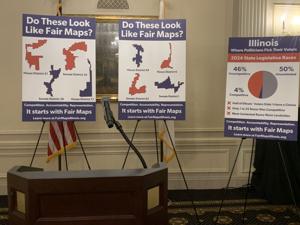
Plan launched to place redistricting amendment before voters in 2026

30 charged in TdA drug trafficking, murder-for-hire and firearms offenses

White House touts D.C. crackdown; no timeline on National Guard deployment

Trump signs bill studying cancer among military pilots
Illinois GOP U.S. Senate candidates point to economy, Trump gains
DOJ promises release of some Epstein records this week

Book: Foreign countries pose greatest threat to free speech on college campuses
Executive Committee Details Spending of $134 Million in Pandemic Relief Funds

Ohio congressional districts must be redrawn this fall

Treasury sanctions accused Costa Rican drug traffickers

S&P keeps U.S. outlook stable, but says federal finances won’t improve
Lawmaker criticizes $500 student board scholarships amid lowered K‑12 standards

Mayor Karen Bass’s charity skips working Americans, data suggests