Nine pharmaceutical companies agree to most-favored-nation pricing
An additional nine of the world’s largest pharmaceutical companies have agreed to offer many of their most popular drugs at most-favored-nation pricing in the U.S.
This means that the U.S. will pay the lowest price for many prescription drugs among its economic peers. The initiative has been a major priority for President Donald Trump, according to top Health and Human Services officials, as he has sought to reduce prescription drug prices for Americans.
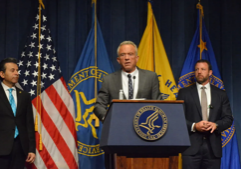
“We got a lot of calls from the president, and at one point in this negotiation, we just stopped answering our phones late at night because we couldn’t take it anymore,” said HHS Secretary Robert F. Kennedy, Jr.
The nine companies that joined the president and others from the Oval Office on Friday were the latest of a handful of pharmaceutical manufacturers that have done so over the past several months to announce similar deals with the administration. Fourteen of the 17 largest pharmaceutical companies in the world have now agreed to offer at least some of their drugs at most-favored-nation pricing in the U.S., according to Trump. Kennedy said it amounts to “95% of drugs” sold in the U.S.
For years, Americans have paid higher drug prices than their counterparts in other wealthy nations. Those higher prices help pharmaceutical companies fund their research and development, fueling innovation. Trump has argued that those companies have taken advantage of the U.S. and that America has essentially paid for innovation the whole world benefits from.
The companies present Friday were Amgen, Boehringer Ingelheim, Bristol Myers Squibb, Genentech (a part of Roche), Gilead Sciences, GSK, Novartis, Merck & Co. and Sanofi.





Chance Showers And Thunderstorms then Showers And Thunderstorms
Latest News Stories
Manhattan Park District Advances Round Barn Renovations, Launches Girls’ Softball Following Minor ‘Winter Fest’ Fire
Meeting Summary and Briefs: Capital Improvements & IT Committee for March 3, 2026

Lincoln-Way West Pitching Tosses One-Hitter in 11-0 Rout of Plainfield South

Chicago can’t ditch airlines’ suit vs ‘disruptive’ paid sick leave rules

FEMA says funding debate didn’t affect response to Hawaii

Maryland Supreme Court tosses Blue cities’ climate lawsuits against energy companies
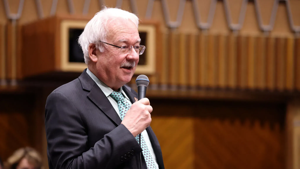
Arizona Senate majority leader blasts Phoenix resolution limiting ICE operations

$4.4B budget request for new Illinois early childhood agency draws scrutiny

Lawmaker, officer warns Elgin officer firing could chill free speech
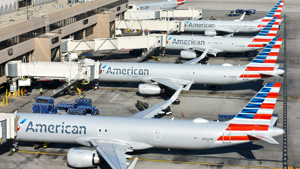
Airline nixes perk for flying lawmakers as DHS shutdown continues

Student sues school over removal of Charlie Kirk tribute

Illinois quick hits: Coalition calls for more action on data centers