Wyoming’s year in review: Education savings, contentious spending
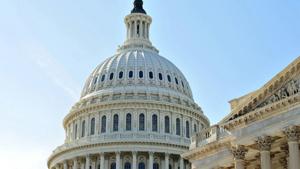
Wyoming lawmakers passed legislation to expand education savings accounts and property tax protections in 2025. However, the legislature remained divided on substantial spending increases to boost particular school capital construction projects.
The Club for Growth Foundation reviewed 875 floor votes in the Wyoming legislature, with a specific focus on 19 votes in the state House and 13 in the state Senate. The foundation scored lawmakers on their adherence to “pro-growth” policies, including deregulation and taxpayer friendliness.
The state’s legislature passed expanded education savings accounts in 2025. The expansion increased annual funding from $6,000 to $7,000 and provided for universal eligibility.
“The universal eligibility and expanded use provisions are marked improvements for the existing program,” the Club for Growth wrote. The Wyoming House passed the bill, 42-19, sending it to the Senate for a 21-8 passage.
Wyoming Sen. Tara Nethercott, R-04, voted for the bill whereas Sen. Stephan Pappas, R-07, voted against the legislation. Sens. Evie Brennan, R-31, and Mike Gierau, D-17, supported the legislation until its eventual passage.
The state’s legislature attempted to make significant strides in adding property tax protections. A bill passed by the Wyoming House would have created a 50% personal property tax exemption up to the first $1 million that would be prevalent over the next two years. The legislation would have made available a $100 million stabilization fund.
The Club for Growth estimated that the legislation would provide almost $400 million in personal property tax relief through fiscal year 2027. Reps. Trey Sherwood, D-14, and Martha Lawley, R-27, voted against the legislation.
Ultimately, though, the Wyoming House passed the property tax exemption in a 40-20. However, the Senate never took up the measure.
The legislature appeared to struggle with competing visions in 2025 as it attempted to pass legislation that would increase funding for several school capital construction projects by more than $206 million. The legislation was a 67% increase over existing funding levels and was rejected by the Wyoming House in a 30-30 vote.
The proposed legislation’s divide was not merely on political lines. Reps. Steve Harshman, R-37, and Karlee Provenza, D-45, voted for the legislation’s increased funding; whereas Rep. Scott Heiner approved the legislation’s funding for a select few school capital projects.
“To best position Wyoming for sustained future success, bloated budgets and excess spending must be quelled in future legislative sessions,” McIntosh said.
Big budget spending has been increasingly relevant in states across the country over the past several years, McIntosh said. Legislators are developing initiatives to increase spending baselines without taxpayer considerations.
“The money isn’t free and once the federal spigot turns off, states must maintain those new programs, which means spending baselines become structurally and permanently elevated,” McIntosh said.




Showers And Thunderstorms Likely
Latest News Stories
SECURE Data Act offers ‘clear, enforceable’ privacy rules, without the big money lawsuits

Illinois Quick Hits: State announces new Medicaid contracts

Record tornado numbers impact Illinois economy
Trump and Iran sign peace deal amid mixed responses from Congress
Trump throws another curveball at FISA Section 702 reauthorization
Supreme Court to hear jury limits, disability cases

Campaign begins highlighting NYC nonprofit hospital’s prioritizing ‘woke’ ideology
Pro life org asks Senate for another bill to keep abortion defunded of tax dollars
Oklahoma Senate primary kicks off race to succeed Mullin
Supreme Court to hear immigrant detention case
Poll: Most voters oppose mid-decade redistricting

Illinois Quick Hits: 26 tornadoes confirmed in Illinois, NW Indiana last week