FBI to scrap $5 billion move, Patel says
FBI boss Kash Patel announced on Friday the agency scrapped a $5 billion plan to build a new headquarters.
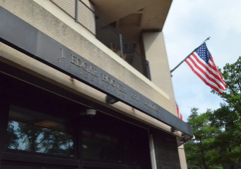
The FBI will permanently shut down the J. Edgar Hoover building in Washington D.C., and move into the Reagan building near the White House.
“After more than 20 years of failed attempts, we finalized a plan to permanently close the FBI’s Hoover headquarters and move the workforce into a safe, modern facility,” Patel wrote in a post on social media. “Working directly with President Trump and Congress, we accomplished what no one else could.”
Patel said the planned $5 billion renovation that would not be complete until 2035. He said the FBI is already underway with making necessary safety and infrastructure upgrades to the Reagan building.
The U.S. Department of Commerce, U.S. Customs and Border Protection and U.S. Environmental Protection Agency already use spaces in the Reagan building.
The move follows FBI plans to disperse personnel throughout the country, Patel said.
“This decision puts resources where they belong: defending the homeland, crushing violent crime, and protecting national security,” Patel wrote. “It delivers better tools for today’s FBI workforce at a fraction of the cost.”




Mostly Cloudy
Latest News Stories

30 charged in TdA drug trafficking, murder-for-hire and firearms offenses

White House touts D.C. crackdown; no timeline on National Guard deployment

Trump signs bill studying cancer among military pilots
Illinois GOP U.S. Senate candidates point to economy, Trump gains
DOJ promises release of some Epstein records this week
Book: Foreign countries pose greatest threat to free speech on college campuses
Executive Committee Details Spending of $134 Million in Pandemic Relief Funds
Ohio congressional districts must be redrawn this fall
Treasury sanctions accused Costa Rican drug traffickers

S&P keeps U.S. outlook stable, but says federal finances won’t improve
Lawmaker criticizes $500 student board scholarships amid lowered K‑12 standards

Mayor Karen Bass’s charity skips working Americans, data suggests