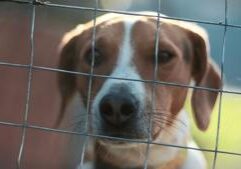
Jan. 1 law lets Illinois veterinarians skip rabies shots for at-risk pets
(The Center Square) – A new Illinois law taking effect Jan. 1 will let veterinarians renew yearly medical exemptions for pets too sick to receive rabies shots, a change supporters call common sense.
Dr. Kate Brucker, president of the Illinois State Veterinary Medical Association, said the law finally brings needed clarity to state rules.
“It formalizes veterinarians’ ability to exempt an animal from rabies vaccination if that vaccination would compromise that particular animal’s health,” Brucker said.
Under the law, exemptions last one year and can be renewed annually after a fresh exam.
While rabies vaccination is one of the most important public health tools in animal medicine, Brucker said rare situations do arise where the shot is unsafe.
“There are certain animals where vaccination could pose serious health concerns … animals that have severe anaphylactic reactions to vaccination. While rare, it does happen,” she said.
Other vulnerable animals include those with autoimmune conditions, diseases where the immune system might attack the body’s own cells. In those cases, stimulating the immune system with a vaccine can cause dormant illnesses to flare back up, according to Brucker.
For years, veterinarians have granted these exemptions, but the practice wasn’t clearly recognized in law. Senate Bill 128 now spells out the process: vets must examine the pet, determine the vaccine would cause harm, and reevaluate the animal annually to renew the exemption.
Concerns that the new law might undermine herd immunity are unfounded, Brucker said, noting that the vast majority of pets remain vaccinated and protected.
“The number of exemptions that have to be written are very, very, very low,” she said.
Brucker estimates she has only three patients this year who would qualify.
“Out of the thousands of animals that we vaccinate, it’s a very, very low percentage,” said Brucker. “The risk to the public is zero.”
Another benefit is consistency, according to Brucker. Policies vary widely between clinics, but SB 128 gives veterinarians clear authority to make individualized medical judgments for each pet.
“Each veterinarian has their ability to decide what they are comfortable with and what they feel is a valid reason for exemption,” Brucker said.
Brucker noted that a pet’s age alone is not typically a reason to skip vaccines.
“We always joke around that age isn’t a disease,” she added, but underlying conditions can change the calculus.
At the end of the day, Brucker said, the profession remains a strong advocate for rabies vaccination but welcomes the ability to protect the rare animal that could be harmed by it.






Mostly Sunny
Latest News Stories
Will County Board Committee Passes Contentious ‘Live and Work Without Fear’ Resolution on 4-3 Vote

Will County Awards $10.4 Million Contract for Bell Road Widening in Homer Glen Area
Manhattan Township to Set Solar Farm Rules Amid Concerns with Area Projects
Meeting Summary and Briefs: Will County Public Works & Transportation Committee for October 7, 2025
Meeting Summary and Briefs: Will County Board Finance Committee for October 7, 2025
Meeting Summary and Briefs: Will County Board Capital Improvements & IT Committee for October 7, 2025

Jackson Township Board Discusses High-Speed Rail Uncertainty and Northpoint Development

Southwest falls short on list of great cities to drive

Govt shutdown predicted to drag on after funding bill fails for 8th time in Senate

Supreme Court rejects bid to overturn H-1B visa rule

Johnson tells Democrats to ‘bring it’ over pay for U.S. troops

WATCH: Pritzker vows to continue battling Trump over ‘abuses’ around public safety