First negotiated Medicare drug prices go into effect Jan. 1
Negotiated lower Medicare costs for 10 popular prescription drugs went into effect Thursday.
How much those savings will be passed on to Medicare Part D and applicable Advantage plan enrollees is unclear, however, as drug pricing and reimbursement is notoriously complex and opaque, though lawmakers have pushed for more transparency in recent years.
In 2022, the Inflation Reduction Act authorized and required Health and Human Services for the first time to negotiate the maximum price drug manufacturers can charge Medicare plans for 10 popular drugs each year, starting in 2026.
Earlier this year, the Centers for Medicare and Medicaid Services announced its first set of Medicare-negotiated “maximum fair prices” for 10 selected drugs, with negotiated prices ranging from 38% to 79% below their list prices. A drug’s list price is the manufacturer’s sticker price, though it is rarely what insurers or patients actually pay and is mainly used as a starting point for negotiations.
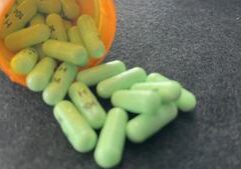
Those drugs are Eliquis, Enbrel, Entresto, Farxiga, Imbruvica, Januvia, Jardiance, NovoLog/Fiasp, Stelara and Xarelto, and they’re used to prevent blood clots or treat diabetes, autoimmune diseases, blood cancers and heart failure.
The 2023 list price for the blood thinner Eliquis, by far the most popular of the negotiated drugs with close to 4 million Part D enrollees having used the drug that year, was $521 for a 30-day supply. Starting Thursday, the maximum its maker Bristol Myers Squibb can charge is $231, a 56% reduction from the list price, for the applicable Medicare plans.
Of the negotiated drugs, Januvia, which is used to treat diabetes, saw the greatest reduction in its list price, dropping from $527 to $113 for a month’s supply.
The list prices for Fiasp and Novolog, insulins manufactured by Danish pharmaceutical company Novo Nordisk, were slashed 76%, from $495 to $119 per month.
Imbruvica, which was used by 17,000 Part D enrollees in 2023 to treat certain blood cancers, was reduced the least, from $14,934 to $9,319 per month, or 38%.
Any savings for Part D and Advantage enrollees depend largely on which plan they’re enrolled in, as not all plans are the same. Private insurers like Aetna, Blue Cross Blue Shield and Humana offer different Part D and Advantage plans, with varying levels of coverage. Advantage plans that include prescription drug coverage and all Part D plans are required by law to cover the 10 negotiated drugs for as long as they remain in the program.
The Medicare Drug Price Negotiation Program was created to reduce Medicare spending on prescription drugs and enhance the program’s long-term sustainability.


Chance Showers And Thunderstorms
Latest News Stories
Board Accepts Retirements and Creates New Administrative Position

WATCH: Reclaiming the Panama Canal could be back on the table

Las Vegas tourism industry continues to decline
More states now offer school choice programs for families

Trump likely to make waves at biggest-ever World Economic Forum
Manhattan Fire Trustees Extend Chief Contracts Through 2029
Illinois House returns to session with plans for SAFE-T Act, Israel, taxes
Illinois quick hits: Bovino bounty trial to begin; Judge sentences Kentucky man to 15 years in drugs case; Pritzker criticizes Trump’s first year as Trump marks accomplishments
IL AG reviews battles vs. Trump administration: ‘365 days of chaos’
Largest U.S. band manufacturer plans to leave Ohio, send some production overseas
WATCH: Trump says he plans to send out $2,000 tariff checks without Congress
House to vote on last four govt. funding bills costing $1.2 trillion