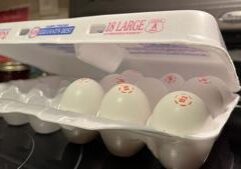
As Illinois ends grocery tax locals can replace, food inflation debate continues
(The Center Square) – An Illinois congressman’s warning that Americans are paying more for groceries is drawing pushback from economists who say federal inflation data shows food prices are easing.
In a video posted online, U.S. Rep. Eric Sorensen, D-Rockford, opens his refrigerator and points to everyday grocery items, saying their prices have “all gone up significantly.”
“What’s weird is some people in our government today are trying to get you to think that it’s just a figment of your imagination,” Sorensen said in the video.
Sorensen cites immigration policy as a driver of grocery costs, saying he supports farmers and an immigrant agricultural workforce to keep prices down. He did not mention taxes, which can also affect grocery bills, according to Nicole Huyer, a senior economic analyst at the Heritage Foundation.
Illinois’ statewide grocery tax ended Jan. 1, 2026, but many local governments are implementing their own levies, which could continue to influence prices for shoppers.
Huyer said inflation data tells a more nuanced story than what Sorensen is presenting.
“I think he’s making more of a political statement, not an empirically driven one,” Huyer told The Center Square. “Inflation was nearly 9% then, but inflation numbers are significantly lower now, and that is reflected in the data. The Bureau of Labor Statistics released the Consumer Price Index report in mid-December, which showed CPI at 2.7% over the last 12 months. That exceeded economists’ expectations, beat the September numbers, and shows cooling inflation.”
Looking specifically at food prices, the Consumer Price Index breaks inflation into categories. Overall food inflation measured 2.7%, with food purchased for home consumption at 1.9% and food away from home, such as restaurant meals, at 3.7%. All of those categories showed easing compared to previous months, according to Huyer.
“Those numbers are important, but we also need to consider the experience of the average American and what they can actually buy,” Huyer said. “Wage growth has recently outpaced inflation, meaning paychecks go further, allowing people to buy more groceries and other essentials. Based on the data, food affordability is certainly coming back.”
Still, Huyer acknowledged that many families continue to feel financial pressure despite improving economic indicators.
“The affordability crisis isn’t something that’s going to immediately disappear after just 12 months in office,” Huyer said. “He’s [President Donald Trump] currently taking the right policy steps to address affordability through deregulation, tax cuts, and reduced public spending. These efforts are contributing to the GDP growth and the recent decline in the CPI.”
Gross domestic product growth recently came in at 4.3%, exceeding economists’ expectations.
“That means potentially more jobs, higher wages, increased productivity and increased profits for business,” she said.
As Illinois politicians gear up for the 2026 midterm elections, claims about rising grocery prices are colliding with inflation data that shows food costs slowing.
“But the fat cats in Washington and the billionaires who got their bailouts, they don’t care what your fridge looks like,” Sorensen said in the video. “But I do.”
Huyer is urging Americans to look beyond headlines and campaign rhetoric when evaluating candidates.
“You have a responsibility to vote based on evidence, not just emotions,” she said. “Look at the data, know your own wallet, are groceries cheaper, are wages rising, and what policies are candidates supporting to make life better? Candidates who back longer-term measures like deregulation, tax cuts, or reducing unproductive government spending are supporting policies that can reduce inflation and let Americans keep more of their hard-earned money.”




Mostly Sunny
Latest News Stories
Will County Board Committee Passes Contentious ‘Live and Work Without Fear’ Resolution on 4-3 Vote
Will County Awards $10.4 Million Contract for Bell Road Widening in Homer Glen Area
Manhattan Township to Set Solar Farm Rules Amid Concerns with Area Projects
Meeting Summary and Briefs: Will County Public Works & Transportation Committee for October 7, 2025
Meeting Summary and Briefs: Will County Board Finance Committee for October 7, 2025
Meeting Summary and Briefs: Will County Board Capital Improvements & IT Committee for October 7, 2025
Jackson Township Board Discusses High-Speed Rail Uncertainty and Northpoint Development

Southwest falls short on list of great cities to drive

Govt shutdown predicted to drag on after funding bill fails for 8th time in Senate

Supreme Court rejects bid to overturn H-1B visa rule
Johnson tells Democrats to ‘bring it’ over pay for U.S. troops

WATCH: Pritzker vows to continue battling Trump over ‘abuses’ around public safety