Illinois ‘RIFL’ act sparks fierce debate as lawmakers return to Springfield
(The Center Square) – As Illinois lawmakers convene for the 2026 legislative session, House Bill 3320, Responsibility in Firearm Legislation Act, is quickly emerging as one of Gov. J.B. Pritzker’s most controversial gun-control proposals, drawing sharp criticism from gun-rights advocates and strong support from Democratic lawmakers focused on gun violence prevention.
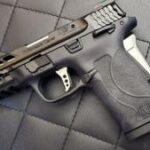
House Bill 3320 would require firearm manufacturers operating in Illinois to obtain a new state permit and pay fees tied to the estimated cost of gun violence.
Aaron Dorr of the Illinois Firearms Association in a recent video said Pritzker’s RIFL Act is probably the most dangerous gun control bill Illinoisans have ever seen, and it already has 35 co-sponsors.
“For the first year of implementation, these commie [expletive] have set the total cost of so-called ‘gun violence’ at $866 million. In other words, the more popular a gun manufacturer is, the more guns they sell, the more they get shaken down by the state of Illinois. This is straight-up economic warfare against firearms manufacturers, designed to drive them out of the state,” said Dorr.
Supporters of the bill argue it is a response to the financial burden gun violence places on taxpayers. State Sen. Robert Peters, a Chicago Democrat and longtime gun-control advocate, said Illinois residents are already paying the price for firearm-related injuries and deaths.
“Illinois taxpayers pay billions for gun injuries each year, from hospital bills to emergency response, lost wages to rehabilitation,” Peters said. “With the RIFL Act, we are demanding the firearm manufacturing industry share in these public costs with us.”
The legislation would create a new state permit for firearm manufacturers operating in Illinois. Under the proposal, manufacturers would be charged annual licensing fees based on their market share and the state’s estimated cost of gun violence.
Peters said federal protections have long shielded manufacturers from financial accountability.
“Since the Protection of Lawful Commerce in Arms Act, firearm manufacturers have been shielded from lawsuits and the consequences of their for-profit activity, leaving taxpayers to effectively subsidize the negative effects of the firearm industry. The RIFL Act aims to fund survivors and community violence intervention,” Peters said. “It shifts costs from working-class families to an industry that profits an estimated $20 billion a year.”
Under HB 3320, funds collected from manufacturers would be used to compensate individuals defined as victims of firearm injuries. Eligible expenses include medical care, mental health services, lost wages, relocation costs and funeral expenses.
Critics argue the bill’s definition of “victim” is overly broad. Dorr warned that the language does not distinguish between innocent victims and individuals injured while committing crimes.
“There’s no carve-out that says they have to be the victim of a crime,” Dorr said. “A person shot while committing a robbery could be treated as a victim under this act.”
The bill also includes penalties for noncompliance. Manufacturers who violate the act could face civil fines of up to $1 million per month, while firearm retailers could be fined $10,000 per violation for selling products from unpermitted manufacturers.
Dorr said those penalties are intended to dismantle the firearms industry in Illinois.
“That’s designed to collapse the entire firearms supply chain in Illinois,” Dorr said. “Manufacturers, dealers, and ultimately gun owners are all targets.”
Although HB 3320 did not receive a vote last session, its growing list of co-sponsors has raised concerns among opponents that the measure could advance this year.

Chance Showers And Thunderstorms
Latest News Stories
Details pending on billions in foreign investments coming from trade deals
Will County Health Department Seeks $1 Million to Avert ‘Drastic’ Service Cuts from Expiring Grants
Will County’s “First-in-Nation” Veterans Center to House Workforce Services, Sparking Debate
Improved Vendor Service Creates $1.2 Million Shortfall in Sheriff’s Medical Budget
Will County Public Works Committee Unveils 25-Year Transportation Plan, Projects $258 Million Gap
Will County Animal Protection Services Seeks New Facility Amid “Gaping Wound” of Space Crisis
Board Confronts Animal Services Crowding, Explores Future Facility Options
Will County Board Members Demand Transparency in Cannabis Tax Fund Allocation
Homer Glenn Residents Push Back on 143rd Street Widening as Officials Signal “Tentative Agreement”
Will County Forges 2026 Federal Agenda Amid D.C. Policy Shifts, ‘Big Beautiful Bill’ Impacts
Health Department Seeks $1 Million Levy Increase to Prevent “Weakened System”
County Rolls Out New “OneMeeting” Software to Improve Public Access
Meeting Summary and Briefs: Will County Board Finance Committee for August 5, 2025
Will County PZC Approves Rezoning for Truck Repair Facility on Manhattan Road Amid Resident Concerns