Ad-Hoc Committee: Bath House Regulations Updated; Removes 60-Day Licensing Window
Will County Ad-Hoc Ordinance Review Committee Meeting | February 10, 2026
Article Summary: The Will County Board Ad-Hoc Ordinance Review Committee approved updates to the regulations governing bath houses and massage parlors, removing obsolete language that allowed a 60-day grace period for licensing. The ordinance maintains strict operational restrictions, including a prohibition on opposite-sex employees appearing nude before patrons.
Bath House Ordinance Key Points:
-
Ordinance Approved: Ordinance #26-4248 amends Chapter 118: Bath Houses and Massage Parlors.
-
Grace Period Removed: The committee voted to strike Section 118.02(B), which allowed a 60-day window for businesses to obtain a license after the chapter’s passage, requiring immediate licensure instead.
-
Terminology Retained: The committee retained the term “Massage Parlor” to align with state statutes, specifically 55 ILCS 5/5-1097.
-
Committee Name Change: References to the “Health and Human Services Committee” were updated to the “Public Health and Safety Committee” throughout the text.
JOLIET — The Will County Board Ad-Hoc Ordinance Review Committee on Tuesday, February 10, 2026, approved Ordinance #26-4248, updating Chapter 118 of the county code regarding bath houses and massage parlors.
The most significant change came from the floor during the meeting. Committee Member Dawn Bullock noted that Section 118.02(B) contained language stating, “Commencing 60 days after passage of this chapter, all bath houses and massage parlors… must be licensed.”
“I’m feeling like we don’t need that anymore,” Bullock said, arguing that it could imply a new 60-day grace period for unlicensed operations.
Assistant State’s Attorney Phil Mock confirmed the language was obsolete. “We can do it. I can tell you right now we don’t have any that fell into that,” Mock said.
Following discussion, Member Bullock moved to amend the ordinance by striking Section 118.02(B) entirely and removing the letter “(A)” from the preceding paragraph, effectively mandating that no person shall operate such a business without a valid license, effective immediately. The amendment passed unanimously.
The ordinance defines a “Bath House” as a commercial business offering facilities for taking a regular bath, shower, steam bath, sauna, or hot tub for a fee. It explicitly exempts businesses where bath services are merely an adjunct to other services.
The committee also briefly discussed the terminology “Massage Parlors.” Chair Jacqueline Traynere questioned the continued use of the term, noting modern establishments are typically referred to as spas or massage therapy centers. Mock explained the term is derived directly from the state statute authorizing the regulation (55 ILCS 5/5-1097) and is intended to target “old-fashioned” definitions distinct from licensed naprapathic or chiropractic services, which are explicitly exempt under Section 118.01.
The ordinance retains strict operating restrictions. Section 118.07 prohibits female employees from appearing nude before male patrons and vice versa. It also mandates that such businesses must be closed from 10:00 p.m. to 7:00 a.m.
The license fee remains set at $2,000 per year under Section 118.04.

Sunny
Latest News Stories
District 210 Transportation Update Details Fuel Swings, New Bus Safety Technology

Speakers object to transgender athletes in girls sports

Taxpayers group, economist praise Pratt’s plan for homelessness in LA
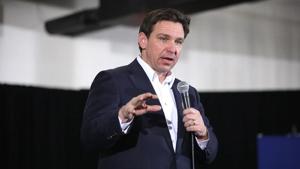
Almost 25,000 immigration arrests made in Florida

Illinois Quick Hits: Unemployment numbers rise; Champaign job growth continues

Filing lawsuits doesn’t immunize Gori vs asbestos fraud claims: New filing

Exxon, global agencies warn of oil price spike within weeks

Bondi defends Epstein files release, denies Trump involvement

Federal jury convicts Spokane ICE protesters as questions remain about local charges

Cost uncertainty follows prescription price cap bill in Senate

Trump making final determination on Iranian ceasefire deal
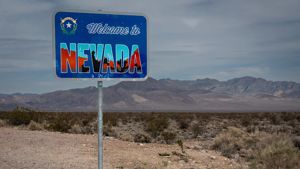
Nevada candidates call for fraud enforcement, healthcare aid