Behavioral Health Division Drops Wait Times, Reports Zero Opioid Deaths in February
Public Health & Safety Committee Meeting | March 5, 2026
Article Summary: Will County’s Behavioral Health Division reported significant operational improvements, including a near-elimination of wait times for therapy and an expansion of substance use recovery services. The county also recorded zero opioid overdose deaths in February while distributing nearly 1,200 boxes of Narcan.
Behavioral Health Update Key Points:
-
The county added three licensed clinical therapists and one intern, reducing appointment wait times to just 1 to 1.5 weeks for both adult and adolescent programs.
-
Samantha Ortega-Hughes was hired as the new Substance Use Treatment and Recovery Coordinator to reopen the Intensive Outpatient Program (IOP).
-
The region secured approval for an equitable access transportation voucher program to help recovering individuals travel to therapy and employment.
-
Will County Coroner data showed only one opioid overdose death in January and zero in February 2026.
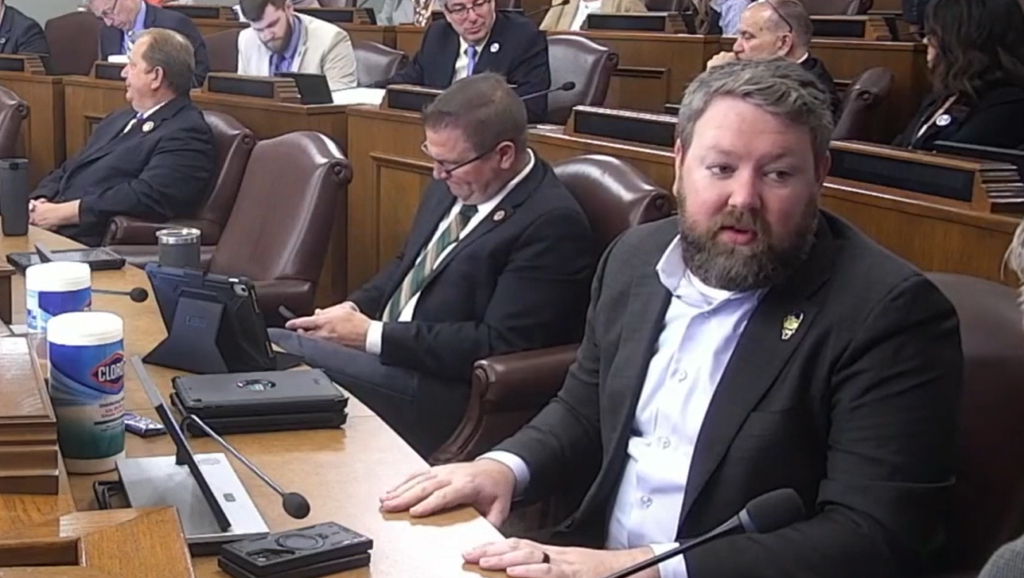
The Will County Public Health and Safety Committee on Thursday, March 5, 2026, received an overwhelmingly positive report from the Behavioral Health Division, highlighting expanded access to therapy and a sharp decline in fatal overdoses.
Dr. Kathleen Burke, the county’s Behavioral Health Community Coordinator, announced that the Adult Program is now fully staffed. The addition of three clinically licensed therapists, seven non-clinical staff, and a social work intern has fundamentally shifted the department’s capacity.
“What that allows us is to have schedules that you only have to wait a week or a week and a half to get an appointment,” Dr. Burke said. “We’ve reduced that quite a bit. Child and adolescent services, the same thing.”
The division is also preparing to relaunch its Intensive Outpatient Program (IOP) under the leadership of newly hired Substance Use Treatment and Recovery Coordinator Samantha Ortega-Hughes, a Licensed Clinical Social Worker (LCSW) and Certified Alcohol and Drug Counselor (CADC) with extensive local experience. Ortega-Hughes has already hired a new Mental Health Counselor III, Courtney Sanfilippo, to assist with the rollout.
Beyond direct clinical care, the county is leveraging opioid settlement funds to remove logistical barriers to recovery. Dr. Burke reported that the Region Five Opioid Remediation Settlement Committee—which encompasses Will, DuPage, Grundy, Kendall, Kankakee, McHenry, and Lake counties—has officially approved an equitable access transportation voucher proposal.
“What that means is we would be able to provide reimbursement or payment for transportation to services that are not reimbursed right now by Medicaid,” Dr. Burke explained. “It’s things like going to your job, going to your therapist, going to a recovery home, going to your support services.”
On the crisis intervention front, the county’s aggressive distribution of Naloxone (Narcan) continues. In February alone, the division distributed 1,179 boxes of Narcan—including a newly available 4-milligram Padagis brand—and 146 fentanyl/xylazine test strips across 58 locations. Recent outreach included a virtual Narcan training for the New Lenox Safe Community Coalition attended by 80 people, and a training for Joliet Police Department Crisis Response Officers on handling severe mental illness in the field.
The widespread saturation of the overdose-reversing drug appears to be saving lives. According to Will County Coroner data presented in the agenda packet, opioid overdose deaths have plummeted. After recording 64 deaths in 2024 and 30 in 2025, the county saw only one fatal overdose in January 2026 and zero in February.
Despite the positive opioid data, Dr. Burke and committee members expressed concern over shifting youth drug trends. When asked by Vice-Chair Mica Freeman what substances younger demographics are turning to, Dr. Burke noted a rise in self-medication for anxiety.
“Pills, stimulants, benzodiazepines, and Xanax are popular. Cannabis is extremely popular,” Dr. Burke noted, adding that alcohol consumption among youth is declining. “They’re using cannabis as a replacement. We’re watching that very closely. We’re starting to see some psychedelics, but not in the younger age groups.”




Mostly Sunny
Latest News Stories
Darline Graham will file for full term succeeding brother Lindsey

Election 2026: Prisoners in historic release by Cooper consistent in pattern
Secretary of State says insurance reforms are not political
Details show Speaker delayed lawmaker misconduct action

Man suspected of using ‘incendiary device’ arrested outside NYC immigration court

Gubernatorial candidate calls for leadership overhaul, prison reforms

U.S. Supreme Court to hear Alaska plane confiscation case

Illinois news in brief: Chicago police review Illinois Accountability Commission report; Granite City man sentenced for transporting minor in sex assault case; Report finds Illinois’ AI careers rank 34th in nation

Service member killed in action; remains found in search for one missing

Second family welcomes baby boy

Everyday Economics: Falling gas prices helped keep consumers spending

Illinois may bring early warning of toll costs ahead of proposed rate hike