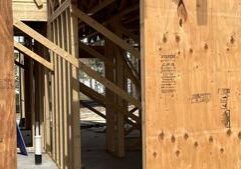
Illinois bill aims to delay 2024 tax sales, protect homeowners’ equity
(The Center Square) – Illinois lawmakers are weighing a proposal to delay property tax sales and pause penalties as the state grapples with how to respond to a major U.S. Supreme Court ruling on home equity.
State Sen. Jil Tracy, R-Quincy, said her legislation — filed as Illinois Senate Bill 4177 — is intended as a temporary step while broader reforms are considered following the high court’s decision in Tyler v. Hennepin County.
“That Supreme Court case says you can’t take away somebody’s homeowner’s equity like we do in our tax claim sales in Illinois,” Tracy said. “We’re one of the few that hasn’t changed the law since that Supreme Court case came out.”
The proposal would delay the 2024 property tax sale outside Cook County and pause interest on delinquent balances, giving owners extra time to pay.
Under current Illinois law, properties with unpaid taxes can be sold, and after a redemption period, buyers may obtain ownership — even if the property is worth far more than the taxes owed.
“You can see it’s quite a deal if a person has equity in that property,” Tracy said. “You get the property free and clear in a tax claim sale and the person loses everything.”
The U.S. Supreme Court ruled in Tyler that governments cannot keep surplus proceeds from tax foreclosures beyond what is owed, finding that doing so may violate the Constitution’s Takings Clause.
If passed, SB 4177 would change the property tax timeline by requiring counties with fewer than 3 million residents to postpone filing for the 2024 tax sale until Dec.1. During this period, interest on delinquent tax balances would not accrue, giving homeowners extra time to pay without additional penalties. County officials would adjust their billing and redemption processes to reflect the new deadlines.
Tracy described Illinois’ current tax sale system as one that has created a “cottage industry,” where investors buy delinquent tax debt for profit.
“There’s a whole cottage industry out there… people who have businesses that go around the state buying up these properties,” she said. “It’s kind of like an investment… but then they can actually end up owning the property, too.”
She added that rising property taxes — particularly in Cook County — have made it harder for some homeowners to keep up, increasing the risk of losing their homes.
“If they can’t pay those back taxes, they lose everything,” Tracy said.
The bill is not a full overhaul of Illinois’ property tax system but rather a pause intended to give lawmakers time to craft a broader fix that aligns with the Supreme Court ruling.
“We need to get the law in line with what the U.S. Supreme Court says, and so that was the purpose of it,” Tracy said. “This was kind of a first step.”
She acknowledged the issue is complex, particularly when it comes to determining how homeowners would recover equity and who would be responsible for paying it.
“If they’re actually going to get the property, they’re going to have to pay the person the equity,” Tracy said.




Partly Sunny
Latest News Stories

Michigan primary candidates debate immigration, healthcare

Congresswoman aims to flip student screening law

GAO says fraud risk high in $1.1T of state-run federal programs

Democrats push back against education department dismantling

Trump urges Senate GOP to pass $95B budget bill before August break

New tariffs face lawsuit, fall short on revenue, analysis finds

Illinois quick hits: United delays launch of service at Willard Airport
Election 2026: Field increases in U.S. Senate special Republican primary

Drivers pay more as gas tops $4 nationwide

Trump warns China, Russia against aiding Iran amid escalating strikes

Democratic members of Congress hold field hearing on ICE shooting in Houston

Watchdogs target Rush for what they say is its‘woke’ agenda, misuse of tax dollars