BREAKING: Minnesota sues feds for evidence in Metro Surge shootings
Minnesota filed a lawsuit Tuesday against the U.S. Department of Justice and the U.S. Department of Homeland Security for refusing to share evidence regarding three shootings involving federal agents.
Those shootings include the incidents involving Alex Pretti and Renee Good, which led to both of their deaths in January. It also references the shooting of Julio SosaCelis.
“The State of Minnesota has the authority and responsibility to protect against and address violence within its borders, including by prosecuting homicides, attempted homicides, and assaults,” the lawsuit stated.
It called the alleged lack of cooperation from the federal government “unprecedented noncooperation.”
DHS did not respond to a request to comment from The Center Square.
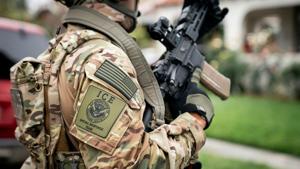
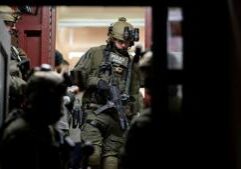
At the beginning of the year, DHS sent thousands of federal agents to the Twin Cities in an effort called Operation Metro Surge. More than 4,000 illegal immigrants have been arrested since it began.
Since federal agents were sent to the state, the Twin Cities faced nearly-constant public protests. The protests were heightened by the January deaths of Alex Pretti and Renee Good, both of whom were shot by federal agents in January.
The federal government began pulling back from the operation in February. Since the operation has come to an end, the City of Minneapolis has sought financial aid from the federal government to address the “damage” and “ongoing needs” it says were caused by the operation.
Minnesota Attorney General Keith Ellison, Hennepin County Attorney Mary Moriarty, and Superintendent of the Minnesota Bureau of Criminal Apprehension Drew Evans are leading the lawsuit. In addition to the DOJ and DHS, it also names U.S. Attorney General Pam Bondi and Secretary of the U.S. DHS Kristi Noem.
The lawsuit is asking the U.S. District Court for the District of Columbia to force the federal government to share the evidence it has collected in reference to the three shootings.
“Cooperation is not merely customary. It reflects the basic structure of American federalism, under which the States retain primary authority to investigate and enforce violations of their own criminal laws,” the lawsuit said. “At stake is not only Plaintiffs’ access to evidence central to these shootings but also a fundamental principle of our constitutional system: that the States retain the sovereign authority—and responsibility—to investigate crimes committed within their borders.”




Patchy Fog then Partly Sunny
Latest News Stories

Pollster: Biggs set to win Arizona GOP gubernatorial primary

Chicago mayor says head tax would have prevented deficit
Former judge Dugan avoids prison, fined $5K for obstruction

Food-borne illness cases spike as Michigan declares outbreak

Op-Ed: Women deserve protection from the harm of mail-order abortion pills

Minnesota woman pleads guilty to threatening state House speaker
Illinois lawmaker, husband indicted over alleged kickback scheme
Border Patrol warns of rideshare human smuggling risks in El Paso

Illinois Quick Hits: Gas prices show slight uptick as US military action resumes

Maine Democrats lining up to replace Platner in Senate race
Trump: U.S. to ‘probably’ strike Iran tonight; oil prices rise

Class action vs Apple over Face ID scans seeks to unlock big payout