
JJC Board Approves Fall 2026 Course Fees Amid Debate Over Student Costs
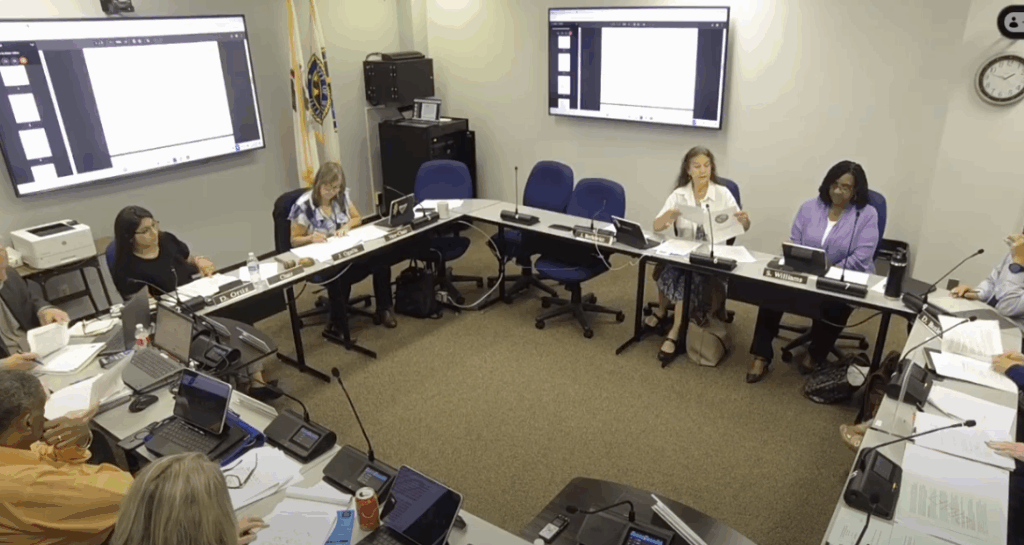
Joliet Junior College Board of Trustees Meeting | March 11, 2026
Article Summary: The Joliet Junior College Board of Trustees approved a series of course fee increases for the Fall 2026 semester to cover surging material costs, despite pushback from some trustees regarding the financial burden on students.
Course Fee Increases Key Points:
-
The board approved fee increases for 57 of the college’s 1,126 active courses, representing approximately 5% of classes.
-
Culinary arts courses accounted for 26 of the 57 increases due to massive jumps in the cost of food, including a 30% increase in beef and a 25% increase in poultry.
-
The measure (Item 3.6) passed with a 5-1-1 vote; Trustee Maureen Broderick voted no, and Trustee Alicia Morales abstained.
The Joliet Junior College (JJC) Board of Trustees on Wednesday, March 11, 2026, voted to approve course fee increases for 57 specific classes for the upcoming fall semester, navigating a tense debate over rising material costs and student affordability.
Dr. Amy Gray presented the fee adjustments to the board, explaining that the increases are meticulously vetted and directly support the classroom operations for which they are charged. Gray noted that the college currently offers 1,126 active courses, meaning the increases only impact about 5% of the curriculum. The total combined financial impact of the 57 increases is approximately $1,366.
The culinary arts department drove the bulk of the requests, accounting for 26 of the 57 courses. Gray cited severe inflation in food prices over the last several years, noting that overall food costs have risen 38%. Specifically, beef has increased by 30%, poultry by 25%, and specialty items like vanilla beans now cost $150 per pound.
Other departments required increases to maintain technical equipment. The Diagnostic Medical Sonography (DMS) ultrasound program requested a total of $665 spread over eight courses. Gray explained that accreditation bodies require the college to maintain an “open lab” for student practice, leading to increased wear and tear on expensive equipment, such as transducers that cost over $1,000 to replace.
Additionally, the Social and Behavioral Sciences department requested minor increases of $7 to $10 for courses in sociology, history, education, and criminal justice. Gray informed the board that these programs had not requested a fee increase since 1999, and the new funds will cover student field trips to Springfield and the Joliet prison, as well as guest speakers.
The rationale did not sway all board members. Trustee Maureen Broderick strongly opposed the fee hikes, arguing that students are already facing a recently approved tuition increase. She questioned why the college could not pull the $1,366 from financial reserves rather than passing the cost to students.
“I’m looking at the fact that we raised tuition on the kids, and I know some of the kids have talked to me, and I’m concerned where are we going to do cuts when I see this,” Broderick stated. “When you look at that small dollar amount, $1,300… is there anything we can do to help them with this?”
President Dr. Clyne Namuo pushed back against using institutional reserves for operational course materials, warning it would set a “dangerous financial precedent.” Namuo and Gray also clarified a critical financial mechanism: by formally approving the course fees, the board designates them as eligible for federal financial aid. If the board did not approve them, students would have to purchase the required personal protective equipment, food, or supplies out-of-pocket without the help of Pell Grants or scholarships, and without the benefit of JJC’s bulk purchasing power.
Trustee Alicia Morales expressed deep concern that only 32% of JJC students currently receive financial aid, leaving the remaining 68% to absorb the tuition and fee increases entirely on their own.
“When tuition rises, these effects are felt by local families and students long after administration transitions have occurred,” Morales said before abstaining from the vote. “My vote for abstain is not necessarily a no to the fee increase. It’s just a ‘not now.’ Protecting affordability must remain a central priority.”
Ultimately, the board approved Item 3.6. Chairman James Budzinski, Vice-Chair Nancy Garcia Guillen, Elaine Bottomley, Diane Harris, and Student Trustee Brenton Bishop voted yes. Broderick voted no, and Morales abstained.


Chance Rain Showers
Latest News Stories

WATCH: Trump: Pritzker should ‘beg;’ Veto Session begins as Madigan reports to prison

Meeting Summary and Briefs: Will County Board Public Health & Safety Committee for October 2, 2025
Will County Shapes 2026 Federal Agenda, Prioritizing Health, Housing, and Workforce Funding

WATCH: Trump: Pritzker should beg for help with public safety in Chicago

L.A. congresswoman insists on health insurance tax credits

Newsom threatens university funding over Trump’s education deal

Former Los Angeles schools chief runs against city’s mayor

Illinois quick hits: WARN report layoffs total 1,689; Powerball winners in Rochelle and Colona

No ethics reform in sight as ex-speaker’s scheduled prison term begins
Trump losing ground on economy, poll finds

Major tech company to cut H-1B visas amid Trump pressure, fee
US, India to hold new round of trade talks, with focus on energy