Minnesota wins legal fight over tuition benefits for illegal immigrants
A federal judge has dismissed a U.S. Department of Justice lawsuit challenging Minnesota’s policy of offering in-state tuition and certain scholarships to students in the country without legal status, allowing the programs to continue.
U.S. District Judge Katherine Menendez ruled the federal government failed to prove Minnesota’s law discriminates against U.S. citizens, rejecting a key argument made by the Trump administration in its legal challenge.
The lawsuit, filed last summer, targeted Minnesota’s Dream Act – a 2013 law that allows students who attended a Minnesota high school for at least three years to qualify for in-state tuition at public colleges, regardless of immigration status.
A 2023 expansion, known as the North Star Promise Act, also allowed for free tuition based on similar criterion.
Federal officials argued the policy violates federal law by offering benefits to immigrants in the country illegally that are not equally available to all U.S. citizens, particularly those who live out of state.
“No state can be allowed to treat Americans like second-class citizens in their own country by offering financial benefits to illegal aliens,” U.S. Attorney General Pam Bondi said last year when the lawsuit was first filed.
Yet, Menendez sided with Minnesota in the order, saying the Justice Department misapplied federal law.
In her ruling, Menendez noted that eligibility for in-state tuition in Minnesota is not based solely on residency, but on whether a student attended a Minnesota high school for a set period of time – a criteria that applies regardless of citizenship status.
Because of that, the ruling found the law does not unlawfully favor illegal immigrant students over U.S. citizens.
Menendez also ruled that the federal government lacked standing to sue Minnesota Gov. Tim Walz and Attorney General Keith Ellison, noting that neither has the authority to unilaterally change state law governing tuition policies.
Ellison praised the decision, calling it a victory for the state.
“Today, we defeated another one of Donald Trump’s efforts to misconstrue federal law to force Minnesota to abandon duly passed state laws and become a colder, less caring state,” Ellison said in a statement.
He argued the policy is a “necessary” investment in Minnesota’s workforce.
The ruling marks a setback for the Trump administration’s broader effort to challenge similar policies nationwide. The Justice Department has filed lawsuits against multiple states over in-state tuition benefits for undocumented students.
So far, outcomes have varied.
In Texas, a federal judge recently struck down a similar policy. Other states have taken different approaches. Florida recently ended in-state tuition eligibility for undocumented students, while more than 20 states and the District of Columbia continue to offer some form of in-state tuition benefits, according to the National Immigration Law Center. At least 14 states, including Minnesota, also allow access to financial aid or scholarships.
The University of Minnesota, the state’s largest public higher education institution, did not respond to a request from The Center Square for comment or provide information on how much funding supports those benefits.




Mostly Sunny then Chance Showers And Thunderstorms
Latest News Stories
U.S. Supreme Court could rule on Texas lawsuits brought in Democratic-led state courts

WATCH: Illinois In Focus Daily | Monday Aug. 11th, 2025

Illinois quick hits: Judge denies Madigan’s motion; legislator urges action on DCFS interns

About Us

Everyday Economics: CPI takes center stage as tariff-driven price pressures mount

Net negative migration is harmful to the economy, economists say
Details pending on billions in foreign investments coming from trade deals
Will County Health Department Seeks $1 Million to Avert ‘Drastic’ Service Cuts from Expiring Grants
Will County’s “First-in-Nation” Veterans Center to House Workforce Services, Sparking Debate
Improved Vendor Service Creates $1.2 Million Shortfall in Sheriff’s Medical Budget
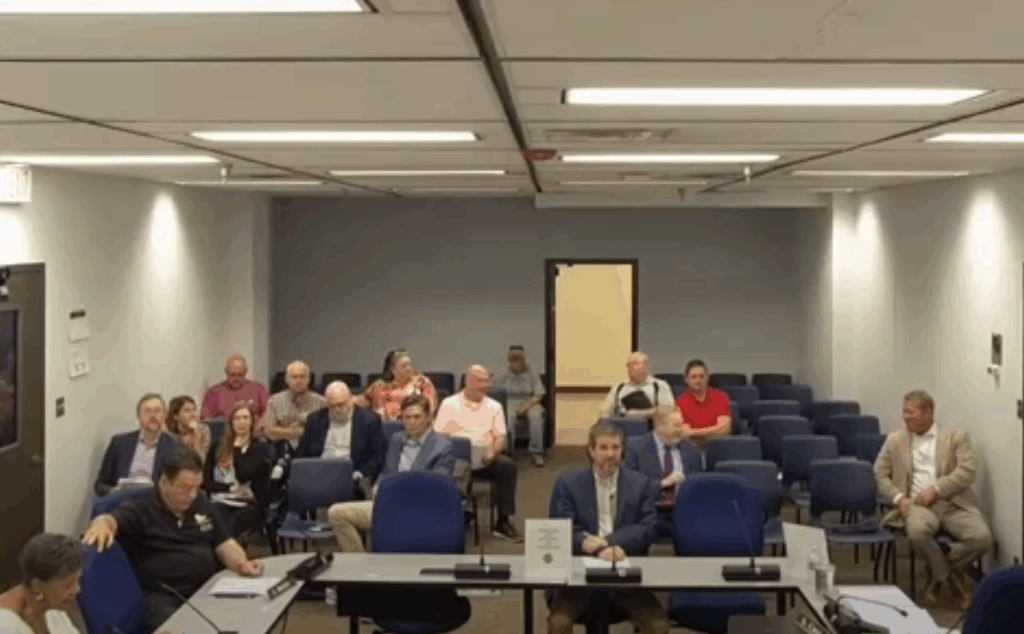
Will County Public Works Committee Unveils 25-Year Transportation Plan, Projects $258 Million Gap
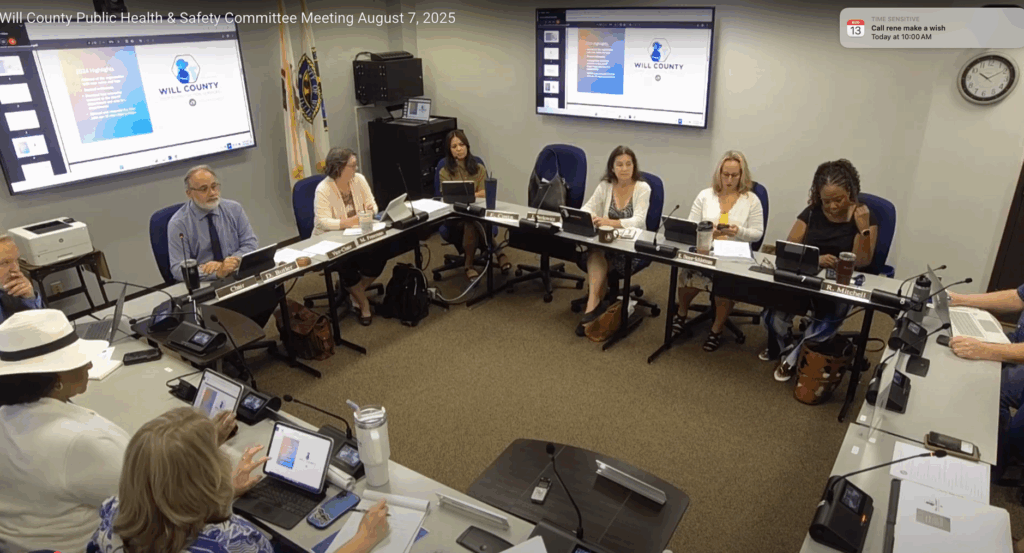
Will County Animal Protection Services Seeks New Facility Amid “Gaping Wound” of Space Crisis
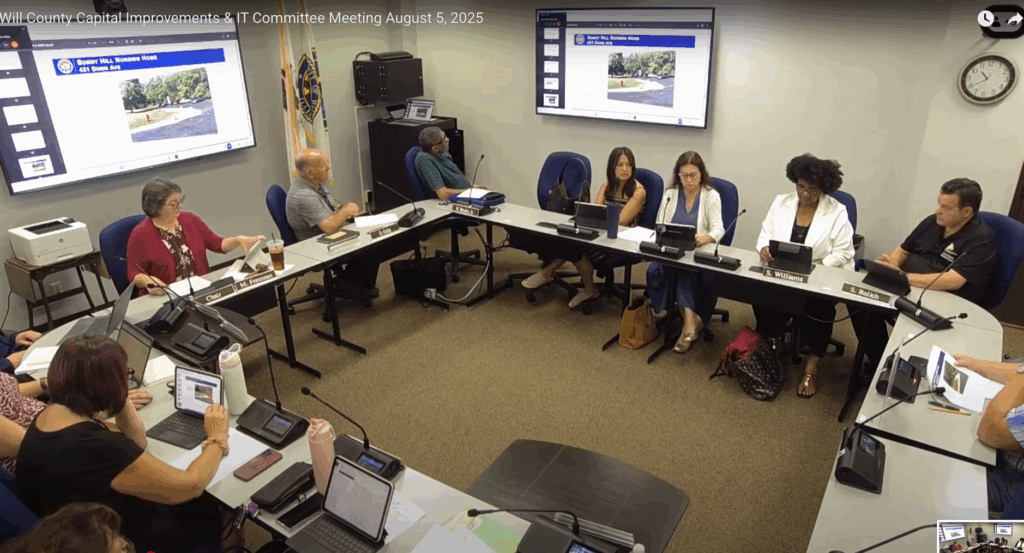
Board Confronts Animal Services Crowding, Explores Future Facility Options
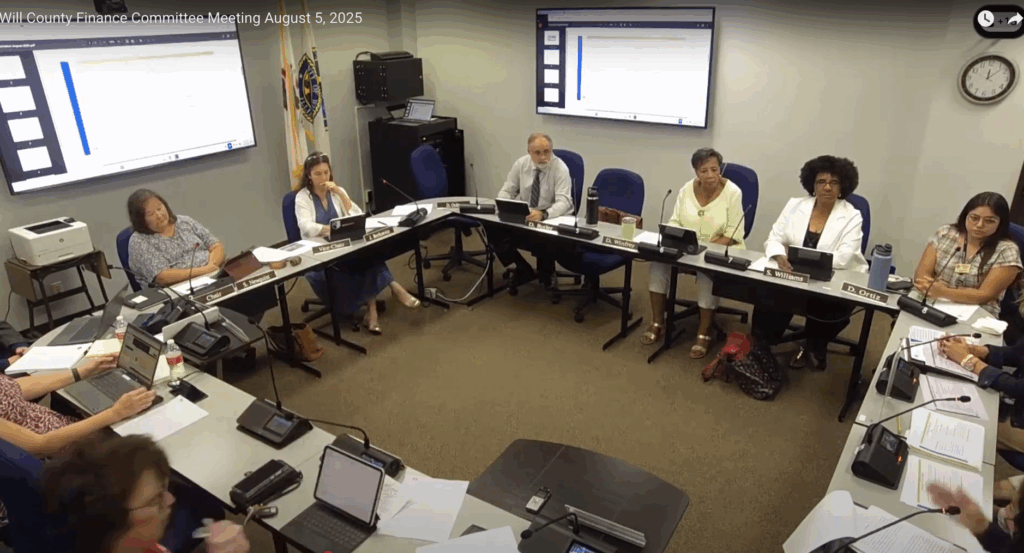
Will County Board Members Demand Transparency in Cannabis Tax Fund Allocation