Supreme Court declines to hear challenge to Illinois public transport gun ban
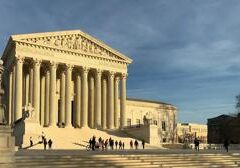
The U.S. Supreme Court on Monday declined to decide whether individuals can carry firearms on public transportation.
The court declined to take up Schoenthal v. Raoul, which challenges an Illinois law banning citizens from carrying firearms on public transportation. Three Illinois residents challenged the ban, arguing it violates the Second and Fourteenth Amendment rights.
“There is no historical tradition of banning law-abiding citizens from possessing firearms in crowded public locations where they may be more vulnerable,” lawyers wrote in a petition to the court.
Illinois requires gun owners to acquire a Firearm Owner’s Identification Card and a concealed carry license in order to carry a firearm in public. However, the state bans individuals from carrying a loaded or unsecured firearm onto buses, trains or any other type of public transportation that is paid for in part or whole by public funds.
Kwame Raoul, Illinois’ attorney general, argued the prohibition on guns in public transportation is consistent with the nation’s historical tradition limiting firearms in sensitive places, like court rooms, schools and polling places.
“Like historical sensitive places, public transit features ‘confined areas with a high density of people,’ making firearms ‘exceptionally dangerous,’” Raoul wrote.





Mostly Sunny
Latest News Stories

Illinois quick hits: Bailey to stay in governor’s race

Report: Less than half of CPS students performing at grade level

WATCH: IL comptroller candidates focus on transparency, timely reporting

Democratic senators under fire explain why they supported GOP bill to end shutdown

Giannoulias ramps up campaign for state regulation of auto premiums

Illinois quick hits: Illinois U.S. senators split on shutdown vote

Meeting Summary and Briefs: Joliet Junior College Board of Trustees for October 2025
Will County Saves Nearly $5.74 Million in Bond Refinancing, Explores Future Borrowing Options

Will County Board Advances New Speed Limits in Green Garden and Frankfort Townships

New Lenox Garage Variance Denied After Neighbor Cites ‘Massive’ Scale and Neighborhood Impact

Library Board Adopts New Cell Phone Stipend Policy for Employees
Manhattan Announces Proposed 6% Property Tax Levy Increase
JJC Celebrates “Future Wolves” Partnerships with Joliet and Troy School Districts