

FBI finds Americans lose billions to cryptocurrency scams
Americans lost more than $20 billion to cryptocurrency and other online scams in 2025, a 26% increase over the year before, according to the latest figures from the FBI.
Online fraud is rising fast. Scams that use cryptocurrency and artificial intelligence are getting smarter. This makes it hard for people, especially seniors, to tell what is real and what is a scam. The new FBI data shows these scams are becoming a bigger problem, and police are trying to fight back.
According to the FBI’s 2025 Internet Crime Report, nearly $11.4 billion of last year’s $20 billion in online scam losses came from cryptocurrency scams. Of that, $7.2 billion resulted from cryptocurrency investment scams.
The report also says that seniors are the most likely to lose money to scams. People ages 60 and older lost about $7.7 billion, which is 37% more than in 2024.
In 2025, the FBI received 81,565 cryptocurrency-related complaints, a 21% increase from 2024. These reports accounted for $11.4 billion in losses, with an average individual loss of $62,604. Over 18,500 complaints involved losses exceeding $100,000.
“Cryptocurrency investment scams are sophisticated long-term scams using psychological manipulation, the appearance of legitimacy, and exploitation of cryptocurrencies to deceive victims into investing large sums of money,” according to the report. “These scams are largely perpetrated by organized criminal enterprises based in Southeast Asia using victims of human trafficking as forced labor to run the scam operations.”
In a high-stakes scheme, scammers aggressively lure victims, urging them to transfer cryptocurrency to fraudulent investment platforms or apps. They quickly show victims fabricated profits and dangle the promise of loans, pressing them to invest even more. The moment victims attempt to withdraw funds, they are slammed with bogus taxes and fees, amplifying the devastation.
Then, in a final bid to get more money, some offer recovery scams to these victims.
“Victims are also targeted in recovery scams, claiming to help recover lost funds,” according to the report. “These scams are often devastating because they can leave victims with significant financial loss and emotional distress.”
The FBI wants everyone to use the “Take a Beat” method to spot scam warning signs.
“Resist pressure to act quickly and assess the situation before turning over money or personal information,” the agency warned.
People who are victims or may know victims of a fraud or scam should call their local FBI office or submit a complaint at ic3.gov as soon as possible.
Victims should document the name of the scammer, the company, the methods of contact, the dates of contact, the methods of payment, where funds have been sent, and a thorough description of the interactions.






Showers And Thunderstorms
Latest News Stories
Green Garden Township Residents Threaten Incorporation to Block 6,000-Acre Solar Farm

Library Board Proposes Land-for-Services Swap with Village of Elwood for Mississippi Lot
Meeting Summary and Briefs: Jackson Township Board for January 14, 2026

Winter Benchmark Data Highlights Growth in Reading and Math Across Manhattan District 114
Board Approves $479,000 Wireless Network Overhaul to Replace Aging Tech
Executive Committee: Tension Rises as Republican Whip Removed from Panel
Ad-Hoc Committee: County Stripped of Power to Regulate Motor Races, Must Drop Solicitor Fees Due to State Statutes

Commission Overrides Staff Recommendation, Approves Manhattan Township Barn Expansion
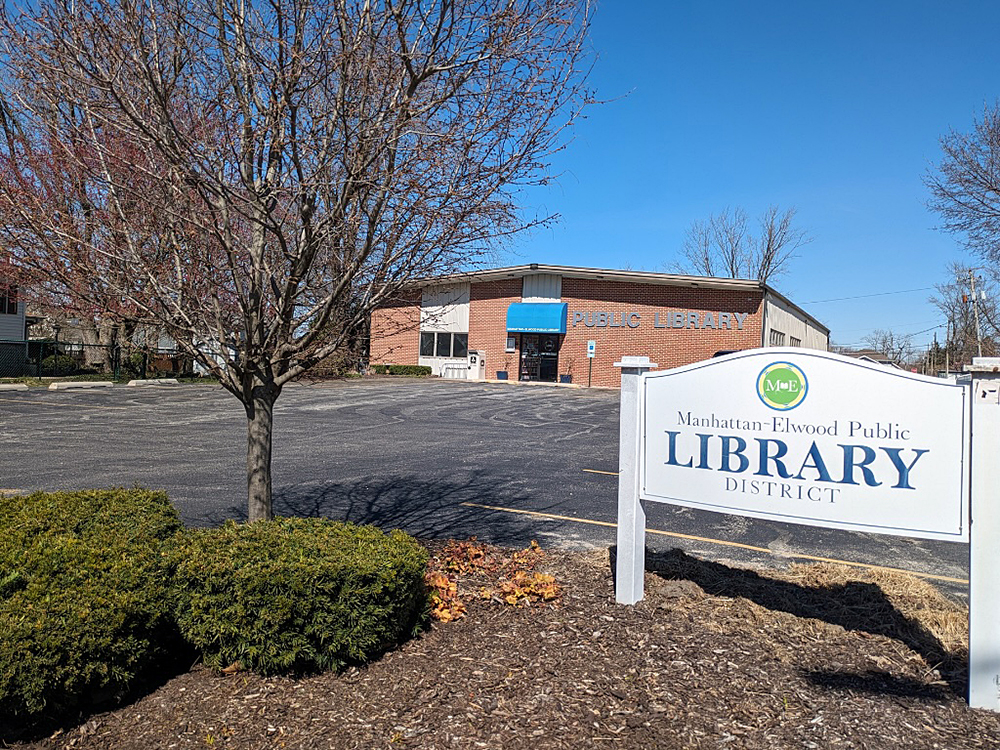
Manhattan-Elwood Library Board Approves Over $21,000 for Playroom Renovation and Picture Book Shelving
Meeting Summary and Briefs: Manhattan Township for January 13, 2026
Jackson Township Board Approves Elwood Baseball Donation, Reviews Food Pantry Transition

Meeting Summary and Briefs: Village of Manhattan Board for February 17, 2026
Executive Committee Advances “Project Northwinds”: 2,475 Jobs and $346 Million Investment Proposed for Former Caterpillar, Lion Electric Sites
Land Use Committee Advances Mokena Scrap Yard and Homer Glen Landscape Business Over Local Objections