Will County Legislative Committee Unanimously Backs Resolution Demanding Return of Local Solar Siting Control
Will County Board Legislative Committee Meeting | April 7, 2026
Article Summary: The Will County Board Legislative Committee unanimously passed an amended resolution on Tuesday demanding the Illinois General Assembly repeal or amend state laws that stripped local governments of their authority to regulate the siting of commercial solar, wind, and battery energy facilities.
Resolution 26-4609 Key Points:
-
Resolution 26-4609 specifically targets 55 ILCS 5/5-12020 and Public Act 104-0458, which currently prevent counties from enacting restrictive zoning standards on commercial renewable energy developments.
-
The committee unanimously amended the original resolution text to explicitly include “battery energy facilities” alongside solar and wind, and added “townships” to the list of local entities protesting the loss of control.
-
State legislative lobbyists advised the committee that while the General Assembly is currently unwilling to return the authority, documenting specific “poor outcomes” in Will County is the best strategy to lobby for future changes.
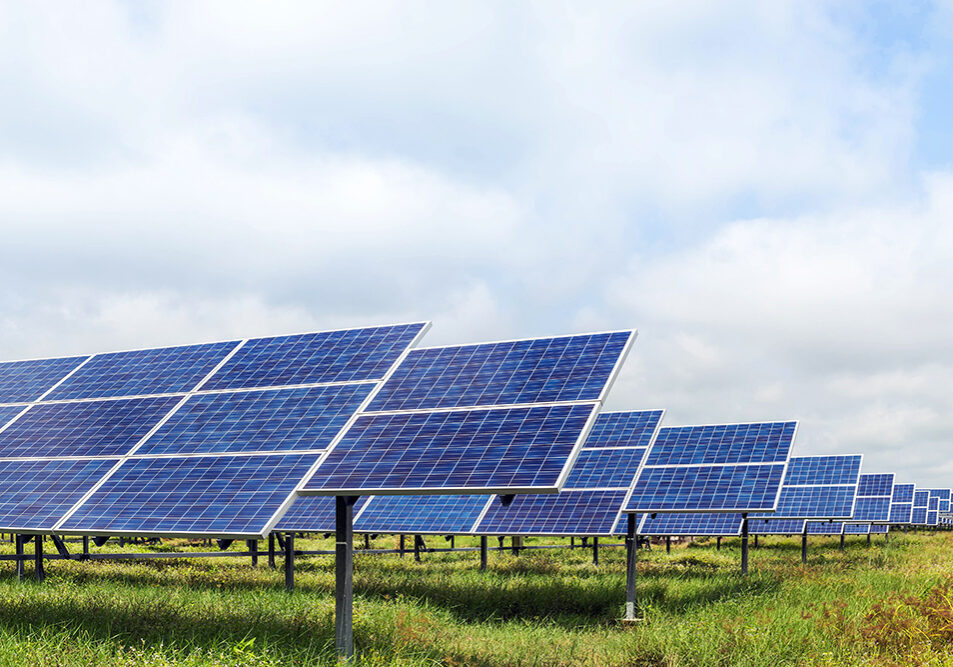
The Will County Board Legislative Committee on Tuesday, April 7, 2026, launched a formal pushback against Springfield’s control over local renewable energy development, unanimously approving a resolution demanding the return of county zoning authority over commercial solar, wind, and battery facilities.
Resolution 26-4609, titled “Restoring Local Control to County Boards Related to Commercial Solar Facilities,” officially urges the Illinois General Assembly to repeal or amend provisions of 55 ILCS 5/5-12020 and Public Act 104-0458. The legislation, passed by the state to streamline green energy initiatives, effectively stripped county boards of their ability to heavily restrict or deny commercial renewable energy projects that meet standard statutory requirements.
Will County Board Speaker Joe VanDuyne introduced the resolution to the committee, emphasizing the frustration expressed by local municipalities, townships, and residents who feel powerless against massive solar developments encroaching on agricultural land.
“We consistently hear from residents. We consistently hear from the municipalities and also the townships on what they see in their future, and who better else to know and work with these local officials and ourselves to find out where the best locations are for these solar farms,” VanDuyne told the committee. “We want to be able to make decisions on behalf of our residents… We want our control back to where we can vote yes or no without the threat of litigation.”
During the discussion, County Board Member Judy Ogalla proposed amending the resolution to ensure it covered all facets of the state’s green energy legislation, not just solar panels.
“We need to include battery storage because battery storage is also included in their grand bill to just put them anywhere they wish as well,” Ogalla said. “I think you wouldn’t want a battery storage facility set up right next to a neighborhood.”
Ogalla also successfully motioned to amend the seventh paragraph of the resolution to explicitly include “townships” alongside local mayors and citizens as entities urging the county to reject inappropriate facilities. The committee unanimously approved the amendments to insert “battery energy facilities” and “townships” into the final text before advancing the entire resolution.
The county’s legislative lobbying firm, Mac Strategies, provided a sobering update on the likelihood of immediate state-level changes. Lobbyist Matt indicated that several state bills attempting to return permitting authority to local governments—including House Bill 1420, Senate Bill 3268, and Senate Bill 3450—have either stalled in committee or been granted extensions with no substantive action taken.
“The legislature took that authority, and they took it knowingly, and they have continued to be quite reluctant, frankly unwilling, to give any of it back,” the lobbyist stated. He advised that if the Will County Board hopes to claw back its zoning powers, it must meticulously document the negative impacts the state law is having on its communities. “The best way to do it is to offer up examples of poor outcomes that your county had to live through because you didn’t have the on-the-ground, most local opportunity to weigh in.”
If approved by the full Will County Board, certified copies of Resolution 26-4609 will be sent to Governor J.B. Pritzker, the President of the Illinois Senate, the Speaker of the Illinois House of Representatives, and all members of the Illinois General Assembly representing Will County.





Partly Sunny
Latest News Stories

Late-Inning Offensive Surge Propels Lincoln-Way West Softball Past Lemont 8-2

Advocates warn of looming debt crisis

Bears want more after Illinois House passes megaproject tax incentive bill

DHS wants millions more from taxpayers after federal SNAP changes
Illinois Millionaires Tax doesn’t get support
Pritzker bans insider trading by state employees, faces hypocrisy claims

Autism care providers, parents urge change in ownership mandate

Illinois Quick Hits: Bears want more from state

Will County Board Approves Controversial Solar Farms Following Court Mandate

Bears, megaprojects tax incentive bill heads to Senate after clearing House

House Dems pass redistricting amendment GOP says will lead to more gerrymandering

Illinois Quick Hits: Governor announces green tax credits for film and TV