
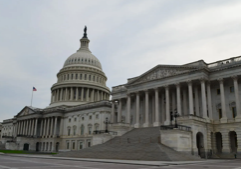
Lawmakers, auditors offer fraud prevention solutions
Lawmakers and auditors called on the federal government to implement legislation preventing fraud in programs run by the state.
The U.S. House Oversight Subcommittee on Government Operations held a hearing on Wednesday to examine fraud in federally funded programs managed by states. U.S. Rep. Jeff Sessions, R-Ky., called for greater fraud enforcement in Medicaid, SNAP and unemployment insurance.
He said he plans to introduce the Fraud Prevention and Accountability Act. The legislation would designate an inspector general to target fraud and waste in federal agencies and would stop suspicious treasury payments to federally funded programs.
“We need to be able to take the ideas and issues that we have learned much from and put it into a piece of legislation whereby our partners, including the federal government and state governments know that we are serious.
Sessions called for greater scrutiny of fraud in pandemic era programs that were widely provided during the COVID-19 public health emergency.
Seto Bagdoyan, director of forensic audits and investigative services at the Government Accountability Office, estimated $135 billion in unemployment insurance benefits was lost due to fraud. He said most of these losses were never recovered.
“Pandemic losses were recouped only at a cents on the dollar rate,” Bagdoyan said. “The current fraud risk landscape facing state administered federal programs involving potentially significant financial losses is of great concern.”
Bagdoyan called for greater scrutiny of attestation forms from individuals who are receiving federal benefits. He suggested using artificial intelligence to verify eligibility for federal programs, instead of simple attestation forms.
Allison Ball, a Kentucky state auditor and member of the panel, pointed to her work that found more than $836 million in wasted Medicaid payments. She said Kentucky Gov. Andy Beshear was not helpful in coordinating efforts with her office to target fraud, waste and abuse.
“We have revealed a plethora of problems that show Kentucky as a target rich environment for waste, fraud and abuse in the executive branch,” Ball said.
She pointed to examples where her office found dead people receiving Medicaid benefits, duplicate Social Security registrations and noncitizens receiving Medicaid benefits. Ball said Kentucky has a payment error rate of 47.5% for Medicare long term care programs and 28.5% for the Medicare savings program.
Ball said Beshear’s administration has largely ignored her office’s work and said it is not unique to the state.
“When it comes to rising levels of leadership, it does get to be more difficult to get information from them, and it’s actually only gotten more difficult as time has gone by,” Ball said. “Just because it happens somewhere else doesn’t mean that it’s not serious, not important.”
Robert Westbrooks, former federal inspector general, said it is “impossible” to create a federally funded program that is fraud-proof.
He called for national identification cards to ensure individuals who are eligible for public assistance programs obtain them properly. He pointed to European models of fraud enforcement that could be adopted in the United States and called for a greater embrace of technology to combat the issue in federal programs.
“There is no one size fits all solution,” Westbrooks said. “Officials must consider relevant risk factors and weigh program objectives and the operating environment to design fit for purpose fraud controls.”
Officials on the panel praised Vice President JD Vance’s efforts to crack down on fraud in healthcare programs and across the federal assistance.
U.S. Rep. Emily Randall, D-Wash., boasted of the efforts in Washington to implement technology that identifies certain fraud payments in the state. She said some improper payments are due to paperwork issues rather than malevolent fraudulent behavior.
“Those improper payments sometimes are just a struggling family trying to keep their kid or family member alive and healthy,” Randall said
“There’s opportunities for the federal government to standardize and make these tools available, whether it’s making sure that data systems talk to each other, or just providing guidance and enhancing the general workforce and skill set of counter fraud professionals across government, state and federal,” Westbrooks said.






Showers And Thunderstorms Likely
Latest News Stories
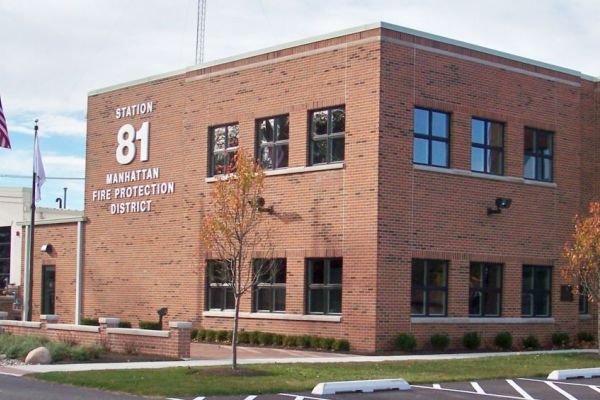
Construction Progresses on New Manhattan Fire Station, August Completion Anticipated
Will County Committee Postpones Liquor, Ad-Hoc Committee: Gaming, and Tobacco Ordinance Updates Amid Extensive Revisions

Land Use Committee Approves 4.98-Megawatt Solar Facility on Eagle Lake Road Near Peotone
Will County Advances Nearly $1.5 Million in Right-of-Way and Improvement Agreements for Weber, Gougar, and Laraway Roads
Public Works Committee: Approves $1.59 Million Contract for Scheer Road Bridge Replacement in Green Garden Township
Will County Board Backs $10 Million State Public Health Grant Increase Amid Funding Cuts
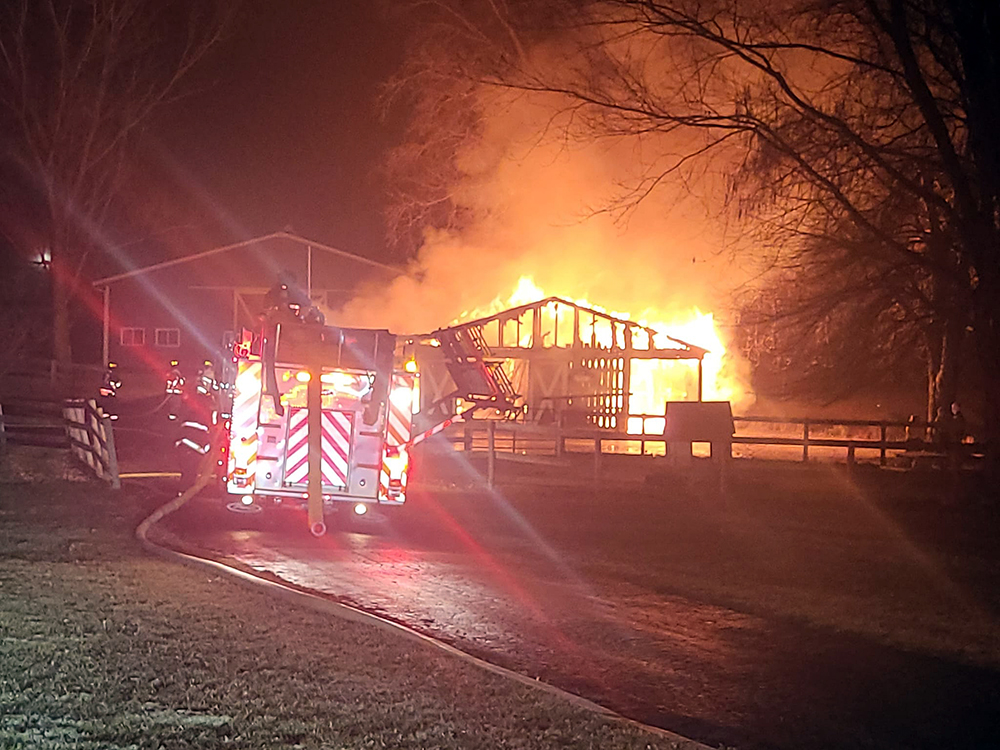
Barn Fire on Whispering Hills Lane Claims Livestock, Draws Extensive Mutual Aid Response
Will County Public Works Committee Shelves License Plate Reader Agreement Amid Bipartisan Privacy Concerns
Will County Planning and Zoning Commission Overrides Staff to Approve New Lenox Accessory Building Variance
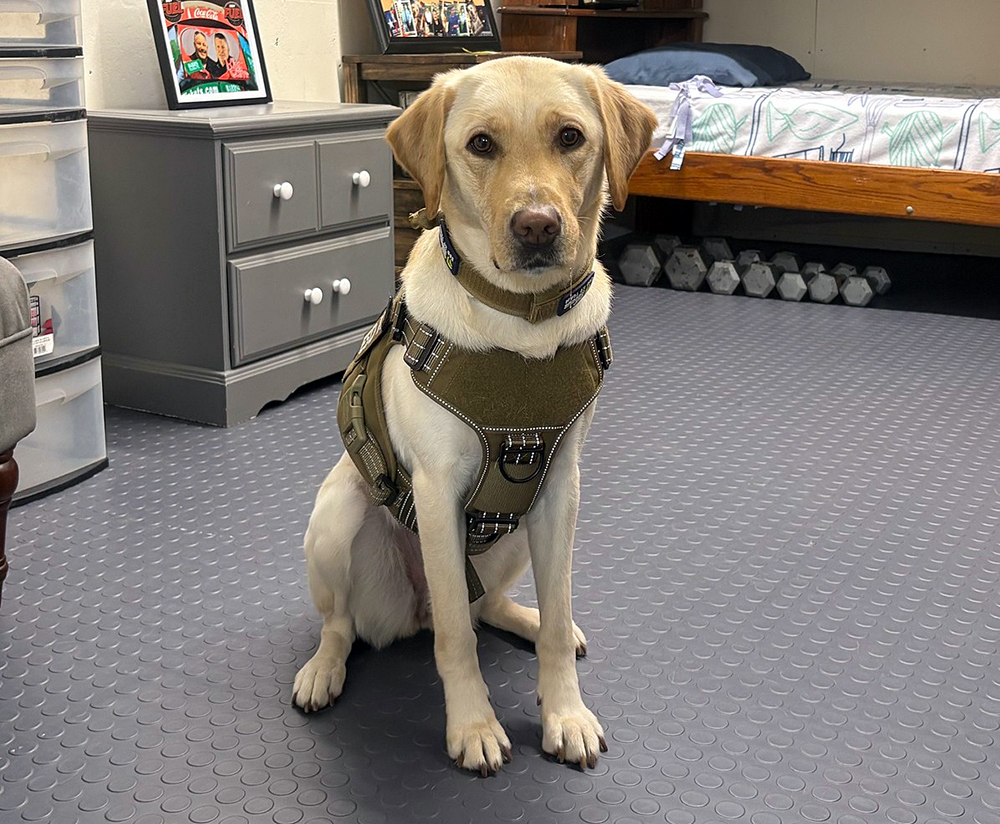
Will County Sheriff’s Office Welcomes Remi, First Electronic Scent Detection Dog
Will County Transportation Department Announces Open House for Manhattan-Monee Road Expansion
Will County Community Mental Health Board Faces $5 Million Shortfall in 2026 Grant Requests
Meeting Summary and Briefs: Public Health & Safety Committee for March 5, 2026

Will County Officials Warn of Zoom Court Scam Targeting Defendants for Fraudulent Dismissal Fees
