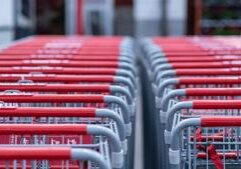
SNAP eligibility changes spark debate on gap for impacted recipients
(The Center Square) – A coalition of non-profits and community organizations across the state are warning that more than 200,000 Illinoisans receiving money from the Supplemental Nutrition Assistance Program, or SNAP, could lose benefits beginning May 1.
The Save Our SNAP Coalition, consisting of roughly 85 different organizations, called on legislators to pass three bills, two of which could cost the state a combined $130 million.
Danielle Perry, vice president of policy and advocacy at the Greater Chicago Food Depository, told The Center Square that about 200,000 Illinoisans could lose benefits as soon as May 1 due to definition and requirement changes made by Congress last July.
The main bill the coalition wants passed is SB 3277, which would create a program to automatically give recipients seeing a change or stop in federal benefits a one-time payment of $600 – representing about three months worth of the average SNAP subsidy.
Rep. Steve Reick, R-Woodstock, said the lump sum payments are a slippery slope.
“If you create that moral hazard with a $600 lump sum payment now, in the next General Assembly you’ll end up with an entitlement program that automatically makes up the shortfall,” Reick said. “The tree does not exist upon which money grows.”
Perry said the intent of the bill is different.
“It’s truly a one time payment. We look at it like a bridge. These people, all of a sudden, in the next few days will not have money for food. So this is just an immediate, one time direct cash assistance that will sunset. And we don’t have intentions on making it continue,” Perry said.
SB 3167 would expand eligibility for legal migrants who would otherwise qualify for benefits, if not for immigration status. A number of people in this category have already lost the benefit due to other eligibility changes that set in this month.
Perry noted that many different groups would soon be required to report work hours in order to receive any benefits, including veterans, former foster children and the homeless.
Rep. Tom Weber, R-Fox Lake, said the changes to SNAP eligibility were made because reform was, and is, needed.
“I think what we’re seeing from taxpayers is they want accountability,” Weber said. “I think we need to work hand-in-hand with the federal government to reform and create more accountability in all the different accountability programs.”
The error rate in payment amounts, both over and under what they should have been, was 11.4% as of 2024, according to the USDA.
Perry said a function of her organization’s advocacy is making people aware that new work requirements are coming, saying many likely already meet work requirements, but simply don’t know how to approach reporting.
“What we’re afraid of is that on May 1 that person with the link card will be in the grocery store, trying to use it, and now their benefits will be shut off,” Perry said. “Not because they’re not working, because so many of the people on SNAP who are able bodied work, we just think it’s because of lack of information.”
If lawmakers act upon the coalition’s call, they would have to pass the bills through both chambers before the start of May to avoid a gap in benefit payments.




Chance Showers And Thunderstorms
Latest News Stories

Record tornado numbers impact Illinois economy

Trump and Iran sign peace deal amid mixed responses from Congress

Trump throws another curveball at FISA Section 702 reauthorization

Supreme Court to hear jury limits, disability cases

Campaign begins highlighting NYC nonprofit hospital’s prioritizing ‘woke’ ideology
Pro life org asks Senate for another bill to keep abortion defunded of tax dollars
Oklahoma Senate primary kicks off race to succeed Mullin

Supreme Court to hear immigrant detention case

Poll: Most voters oppose mid-decade redistricting

Illinois Quick Hits: 26 tornadoes confirmed in Illinois, NW Indiana last week

Trump visits European leaders after Iran peace deal announcement
Alabama to choose candidates for Tuberville’s open Senate seat