U.S. Supreme Court to hear TPS for Haiti, Syria Wednesday
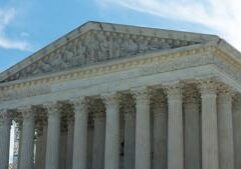
The U.S. Supreme Court will hear arguments on Wednesday in two cases that could determine the temporary protected status for Haitian and Syrian immigrants.
Justices on the court will hear Trump v. Miot and Mullin v. Doe. The two cases challenge an order from the Trump administration that terminated the special immigration status for Haitian and Syrian immigrants living in the United States.
Temporary protected status is granted to immigrants who are fleeing war or natural disasters in their home countries. Haitian and Syrian nationals challenged the Trump administration’s orders.
Kristi Noem, former Secretary of the U.S. Department of Homeland Security, terminated the protected immigration status indiscriminately, a lower court judge said.
Justices on the court will decide whether lower court judges have the authority to stop the Trump administration from stripping temporary protected status for the Haitian and Syrian migrants.
James Rogers, senior counsel for America First Legal, said he thinks the justices will not uphold the lower court’s authority to review the secretary’s decisions.
“The statute vests unreviewable determination of the secretary to make these decisions,” Rogers said.
Haiti was first granted temporary protected status in 2010, after an earthquake severely damaged the country’s infrastructure. In 2024, the Biden administration extended temporary protected status for Haiti, based on general concerns about security and humanitarian concerns in the country.
Advocates for the Haitian immigrants said conditions in the country are not safe enough to return. Tirana Hassan, CEO of Doctors Without Borders, said access to water, sanitation and medical care has steeply declined over the past several years.
She said staff members in Haiti were trapped in homes over the weekend of April 18 and 19.
“Armed groups are continually battling the government and its supporters for territorial control,” Hassan said. “Residents are subjected to violence on all sides, caught in the crossfire, killed at checkpoints or attacked in their homes.”
Lawyers for the Haitian immigrants argued that the country is not safe for migrants to return. They also argued that the policy could cause damage to public safety in the United States.
“Stripping TPS holders of their status may discourage them from reporting crimes or seeking medical care due to fear of detention or deportation,” the lawyers wrote.
Syria was first designated temporary protected status in 2012, after the outbreak of the Syrian Civil War. In 2024, the Biden administration extended the cutoff date for Syrian migrants and gave amnesty to anyone who arrived in the U.S. since 2012. Approximately 6,100 Syrian migrants live in the United States under temporary protected status.
Lawyers for the Trump administration cited ongoing diplomatic negotiations between the U.S. and Syria following the end of the civil war in 2024.
“Thwarting the Secretary’s determination of TPS thus undercuts the Secretary’s judgment as to how best to protect the public and how best to further the government’s foreign-policy goals,” lawyers for the Trump administration wrote.
Justices will hear the cases on Wednesday and make a decision by July on temporary protected status for Haitian and Syrian migrants.




Showers And Thunderstorms Likely
Latest News Stories

30 charged in TdA drug trafficking, murder-for-hire and firearms offenses

White House touts D.C. crackdown; no timeline on National Guard deployment
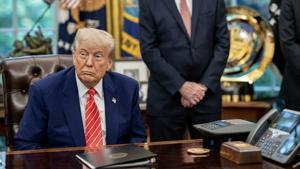
Trump signs bill studying cancer among military pilots
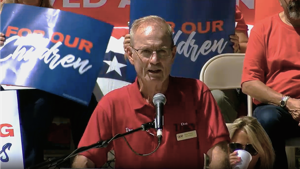
Illinois GOP U.S. Senate candidates point to economy, Trump gains
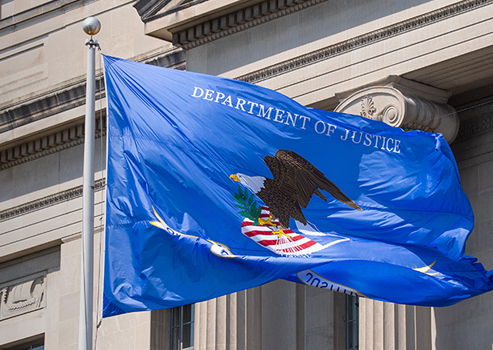
DOJ promises release of some Epstein records this week
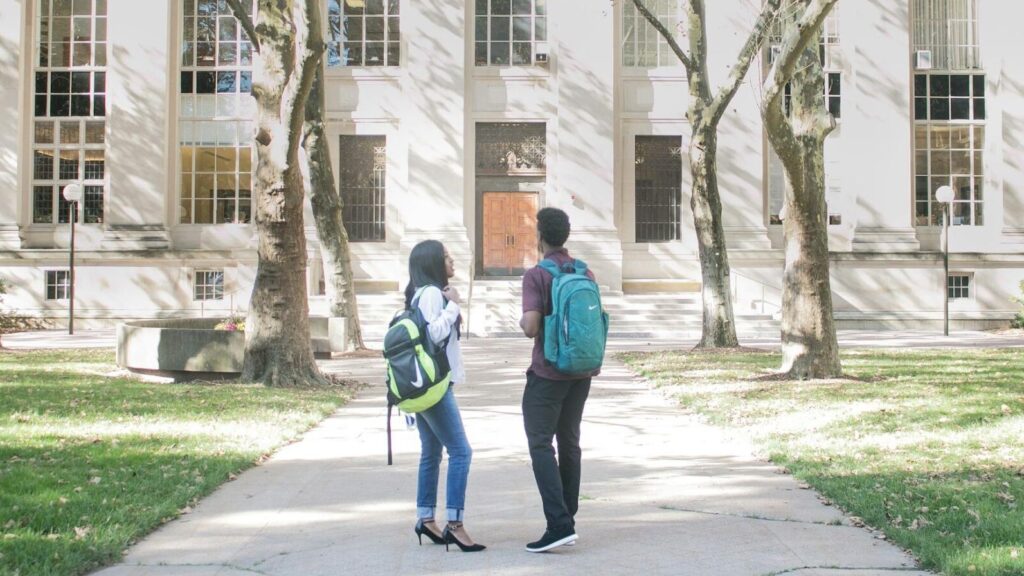
Book: Foreign countries pose greatest threat to free speech on college campuses
Executive Committee Details Spending of $134 Million in Pandemic Relief Funds
Ohio congressional districts must be redrawn this fall
Treasury sanctions accused Costa Rican drug traffickers
S&P keeps U.S. outlook stable, but says federal finances won’t improve
Lawmaker criticizes $500 student board scholarships amid lowered K‑12 standards

Mayor Karen Bass’s charity skips working Americans, data suggests