
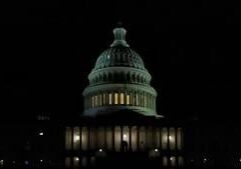
Report: Sharp ideological divide in Minnesota congressional delegation
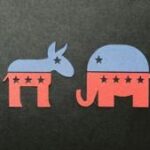
A new report analyzing congressional voting records shows a clear ideological divide between Minnesota’s Republican and Democratic delegations.
In its idealogical rankings, the Institute for Legislative Analysis rates all lawmakers on a 0 to 100 scale. A score of 100 represents the strongest alignment with “reduced federal spending, narrower regulatory power, a smaller scope of government, and strict adherence to constitutional structure and civil-liberties protections.” A score of 0 reflects the opposite.
Minnesota Republicans consistently scored significantly higher on the index than Democrats.
U.S. Rep. Brad Finstad led the state’s delegation with a score of 81.91%, followed by U.S. Rep. Michelle Fischbach at 81.68% and U.S. Rep. Tom Emmer at 80.20%. U.S. Rep. Pete Stauber received a 75.62% score.
That rounds out the four Republicans of Minnesota’s congressional delegation. Among its six Democrats, U.S. Rep. Angie Craig had the highest score at 16.50%.
In the upper chamber, Sen. Amy Klobuchar scored 11.18% and Sen. Tina Smith 6.94%.
Other House Democrats included Rep. Kelly Morrison at 9.50%, Rep. Betty McCollum at 4.08% and Rep. Ilhan Omar is last at 3.57%.
The institute said its index is designed to provide a consistent benchmark for measuring ideological movement over time, rather than relying on shifting political labels.
It also recently released its 2026 Congressional Vote Record Report, which looked at longer three-year trends and found broader changes within both parties.
“While scorecards based on a handful of votes can be useful for showing differences among lawmakers, our annual index covers every substantive vote and is designed to show how political philosophies and party dynamics change over time,” said Ryan McGowan, CEO of the institute. “The latest report shows that different wings of the Republican Party are increasingly gravitating toward President Trump’s policy agenda.”
Democrats, meanwhile, remain more unified overall but are beginning to show more variation on issues including border security, crime and national security.
“On the Democratic side, we are beginning to see more internal variation in what has otherwise been a party far more unified in its voting than Republicans,” McGowan said.
The institute said reports like this play an important role in understanding the political direction of the nation’s lawmakers.
“Unlike labels such as conservatism, progressivism, or MAGA, which can shift over time,” a press release from the institute said, “the ILA scale is designed to provide a consistent baseline for measuring party behavior and ideological movement.”



Mostly Sunny then Chance Showers And Thunderstorms
Latest News Stories
Will County to Draft First-Ever Policy on Artificial Intelligence Use
Will County Sees 50% Drop in Opioid Deaths, But Alarming Rise in Suicides
Will County Board Backs Effort to Rename ‘Stigmatizing’ Chicago Sanitary and Ship Canal
Access Will County Dial-a-Ride on Track for Full County-Wide Service in 2026
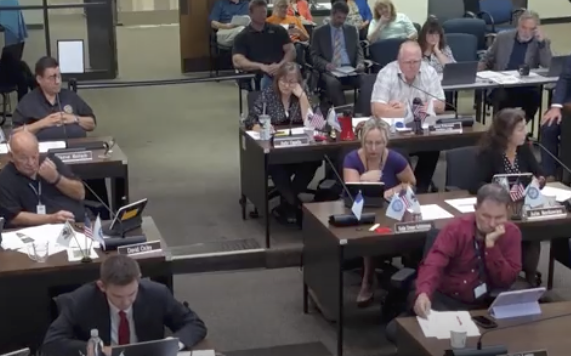
Divided Will County Board Authorizes Condemnation for 143rd Street Widening
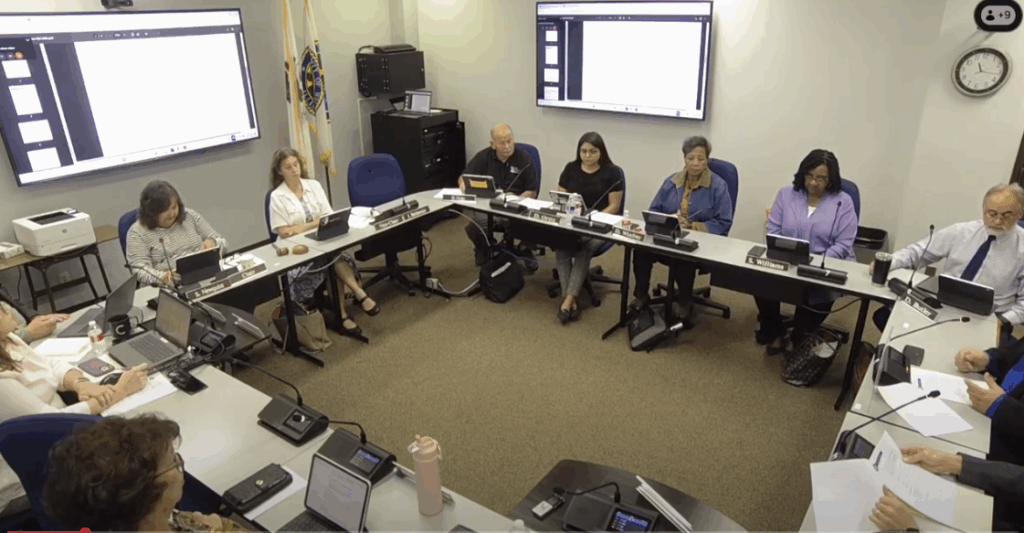
Will County Committee Approves Preliminary $161.6M Tax Levy on Split Vote Amid Heated Debate Over Spending
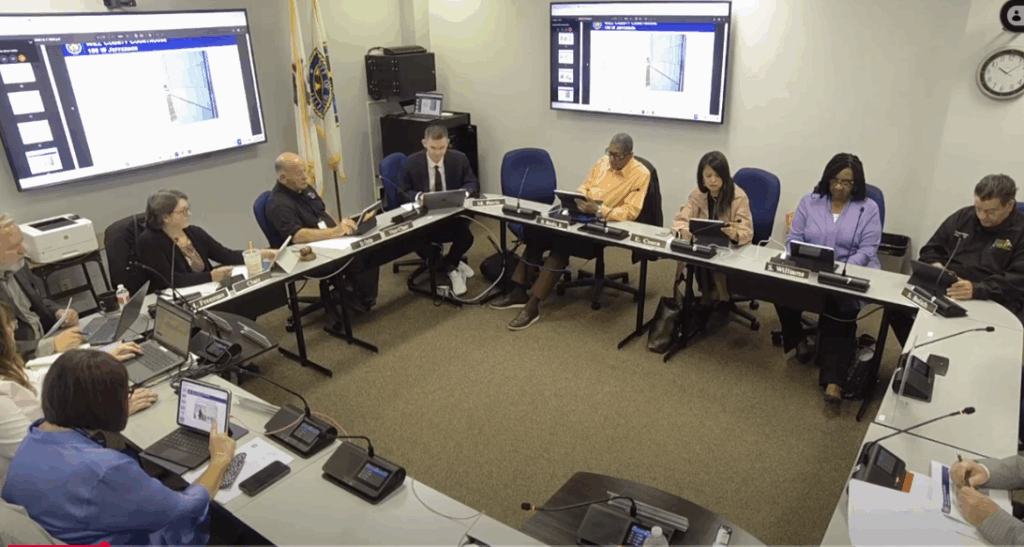
Will County Eyes Major Overhaul to Consolidate Scattered Government Offices
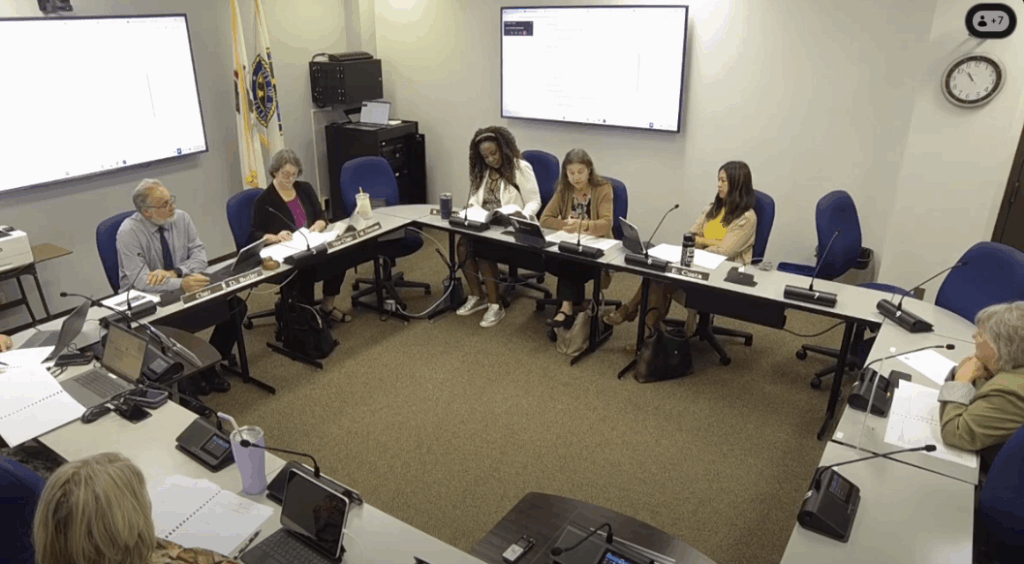
Sheriff’s Office Reports Crime Down 10%, Cites Body Cam Footage as Main Challenge of Safety Act
Will County Considers Moving Land Use Public Hearings Away from Full Board Meetings

Meeting Summary and Briefs: Jackson Township Board for August 13, 2025

Jackson Township to Investigate Decade-Old High-Speed Rail Plan Through Elwood
Meeting Summary and Briefs: Manhattan Park Board for August 14, 2025
Meeting Summary and Briefs: Will County Board for September 18, 2025
Jackson Township Approves Settlement with Joliet, Union Pacific Over ICC Case