Supreme Court skeptical of Syria, Haiti temporary protected status
The U.S. Supreme Court appeared skeptical of immigrant’s challenges to the Trump administration’s termination of temporary protected status in Haiti and Syria.
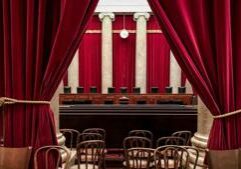
Justices on the high court heard arguments in Trump v. Miot and Mullin v. Doe, cases that challenge the special immigration status for immigrants from Syria and Haiti, respectively. A coalition of immigrants from both countries brought the challenges after the administration eliminated the protected status in 2025.
Temporary protected status is granted to immigrants from countries that have experienced a national disaster or war. The justices were charged with determining whether a lower court judge could strike down a designation made by the executive branch.
Lawyers for the Haitian and Syrian immigrants said the Trump administration did not properly consult other executive agencies or issue a notice before former Department of Homeland Security Secretary Kristi Noem terminated the status.
Congress requires the DHS Secretary to consult other agencies, including the Department of State, before it ends temporary protected status. The law does not specify what those consultations must look like.
Justice Amy Coney Barrett questioned whether the consultation would need to be specifically related to ending TPS, since Congress did not specify in the law.
Ahilan Arulanantham, a lawyer representing Syrian nationals, said the contents of a review discussion are significant, but not necessarily reviewable by a judge.
“Why would Congress permit review of the procedural aspect when everyone cares more about the substance?” Barrett asked.
Justice Samuel Alito appeared deeply skeptical of the Syrian and Haitian immigrant’s arguments. He cited concerns that federal judges across the country could strike down determinations from the executive branch based on little compelling evidence.
“If we accept your arguments it will create a hole in the judicial review bar that you can drive a convoy of trucks through,” Alito said, citing a phrase from Solicitor General John Sauer.
Solicitor General John Sauer argued that ending temporary protected status for Syrian and Haitian immigrants would project messages of confidence in the political systems of both countries. He pointed to the end of civil war in Syria in 2024 as an example.
“If we don’t terminate TPS, it will send a sense of doubt about that decision,” Sauer said.
He also argued that Haitian immigrants that come to the United States are among the most well educated in the country and would be doing a disservice to the nation’s future prosperity by allowing them to continue coming into the United States.
Geoffrey Pipoli, a lawyer arguing for the Haitian migrants, argued that the determination to end TPS for Haiti was discrimination on the basis of race.
Justices on the court did not appear to be convinced of Pipoli’s arguments, and argued that the administration has appeared to indiscriminately target TPS in all countries the U.S. still operates it in.
Alito cautioned against making determinations based on the majority race that lives in a certain country. He said it would be difficult to see how race plays a factor in the determinations when looking at certain countries.
“You have a really broad definition of who is white and who is not white,” Alito said. “I don’t like dividing the people of the world into these groups.”
However, several justices appeared sharply critical of the Trump administration’s efforts to end the temporary protected status. Justice Sonia Sotomayor said the past statements from Trump about countries like Haiti show a racial bias in eliminating TPS.
“I don’t see how that one statement is not a prime example in showing a discriminatory purpose in making this decision,” Sotomayor said.
Justice Ketanji Brown Jackson also argued that the Trump administration did not proceed through the proper channels of consideration before eliminating the protected status. She said Noem should have a more substantive conversation with the State Department and other executive agencies.
“Congress has directed this secretary in this statute, in contrast with the prior regime, to make certain findings, make certain determinations,” Jackson said.
Justices on the high court will likely deliberate whether to keep TPS for Syria and Haiti intact over the next few months. The court is expected to issue a decision by July.




Partly Sunny then Chance Showers And Thunderstorms
Latest News Stories

Manhattan Park Board Rejects Site Plan Proposal, Halts Planning Over Cost Dispute

Board Denies Appeal for “Tiny Home” RV Living in Crete

Jackson Township Board Notified of Proposal for 800-Acre Data Center

JJC Board Censures Trustee Broderick Twice, Denies Request to Restore Good Standing

Will County Board Compromises on Mental Health Levy, Approves $10 Million After Debate

Green Garden’s Wildflower Farm Granted Second Extension for Rural Events Permit
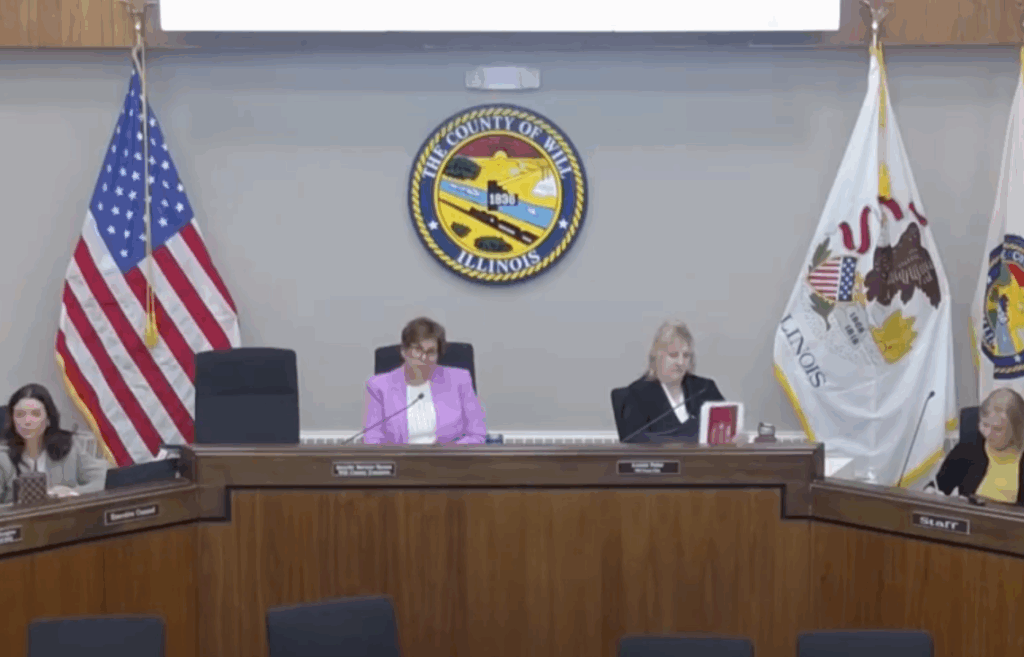
Will County Board Rejects Proposed Tax Hike, Approves 0% Levy Increase in Contentious Vote
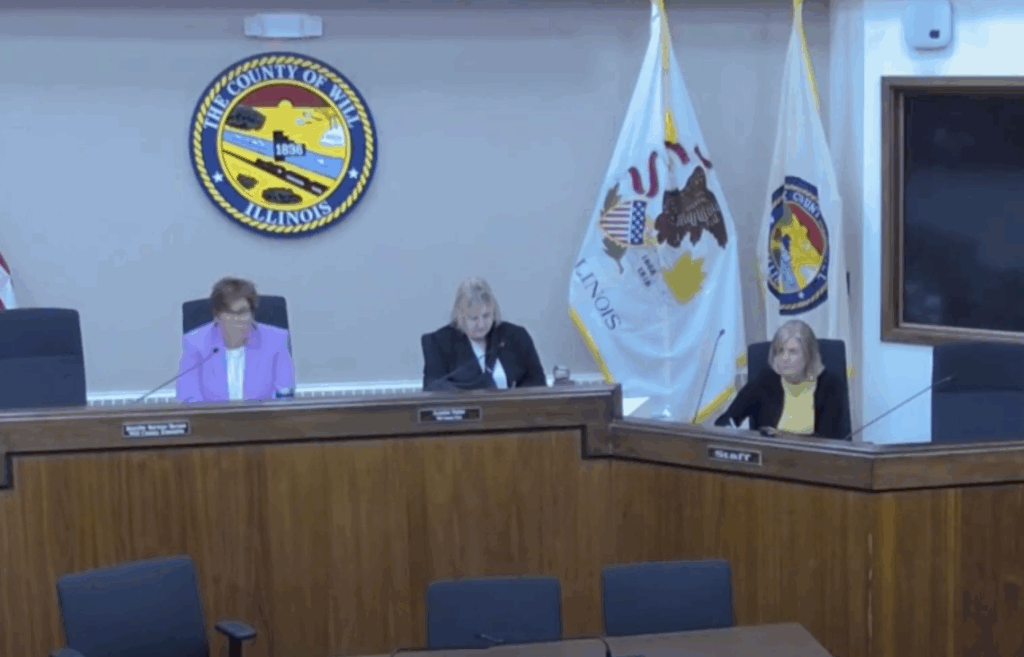
Will County Awards $10.4 Million Contract for Bell Road Widening Project
Regional Office of Education Highlights School Safety, New Learning Programs in Update
New Lenox Solar Farm Proposal Advances with Conditions, Following Village and Forest Preserve Input

Meeting Summary and Briefs: Will County Board for October 16, 2025
Will County Board Approves New 30 MPH Speed Limit for Frankfort Township Road