Farm bill passes U.S. House, heads to Senate for approval
The Farm, Food, and National Security Act of 2026 passed the U.S. House Thursday in a 224-200 vote, a hopeful sign for America’s agricultural industry that has operated for the past eight years without updated federal farm policies.
“This Farm Bill was not written in the halls of Congress, but in the fields and rural communities across our great nation,” House Agriculture Committee Chair Glenn Thompson, R-Pa., stated on social media after the Thursday vote.
“Every provision is a direct reflection of what we learned during each of the more than 150 listening sessions the Agriculture Committee held.”
Despite both partisan and interparty tug-of-wars over certain sections of the bill, the legislation ultimately received the support of 14 Democrats, as well as the highest level of House Republican support for a farm bill in U.S. history.
Part of the bill’s success was due to the last-minute passage of key amendments that stripped some of the more contentious provisions.
Lawmakers bipartisanly gutted a policy that would have shielded pesticide manufacturers from state-level personal injury lawsuits, so long as product labeling adhered to federal standards.
They also stripped a provision that would have authorized year-round E15 sales, though lawmakers plan to vote on that policy in a separate bill in the near future.
Most of the 2026 Farm Bill’s content was bipartisan, though many Democrats believe it is too “skinny.”
Like all farm bills, the legislation updates funding levels for crop insurance and price support, disaster assistance, risk management programs, operation and marketing loans, and federal agricultural research.
It also outlines investments in rural broadband connectivity, forest management, water infrastructure, and hospital assistance, as well as the Rural Energy for America Program (REAP).
Hundreds of stakeholders support the long-overdue farm bill, including the American Farm Bureau Federation.
“After three years of extensions and eight years since a farm bill was passed, we’re grateful the House found a bipartisan path forward,” AFBF President Zippy Duvall said in a statement Thursday.
“Important updates to research and conservation, as well as increased loan limits and clarity on interstate commerce, will help farmers survive today’s challenges and give them the tools to thrive in the future.”
Duvall added that AFBF “urge[s] the Senate to follow the House’s lead and move this important bipartisan legislation forward. Food security is national security, and investing in America’s farmers and ranchers is an investment in America’s families.”






Mostly Sunny then Chance Showers And Thunderstorms
Latest News Stories

Manhattan Park Board Deadlocks on Paying for Sports Complex Plan, Motion Fails

Manhattan-Elwood Library Board Adopts Annual Budget and Appropriation Ordinance

Lincoln-Way 210 to Launch District Literacy Plan, Expands Community Partnerships

Meeting Summary and Briefs: Manhattan School District 114 Board of Education for September 17, 2025

Jackson Township Refers Manure-to-Gas Plant Proposal to Planning Commission
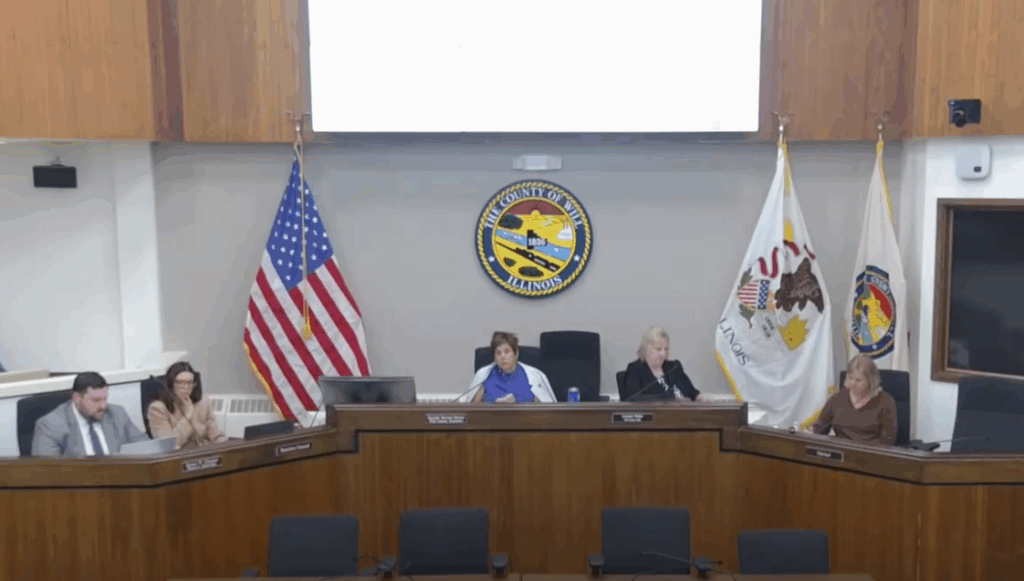
County Board Abates Over $25 Million in Property Taxes for Bond Payments

School Board Approves ‘Board Book Premier’ for Paperless Meetings
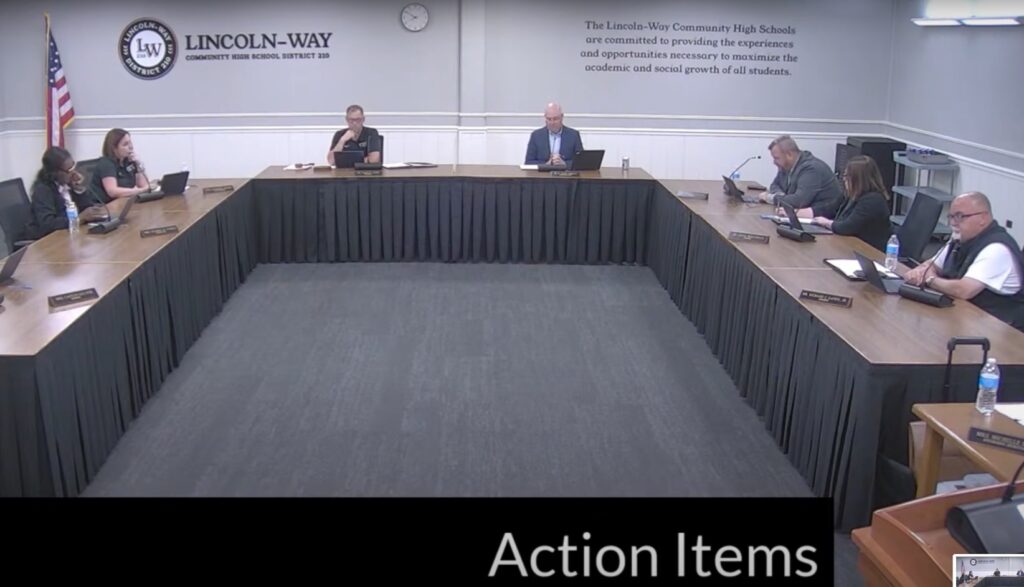
Lincoln-Way 210 Prepares for “Retirement Wave” with Focus on Recruitment

District 114 to Overhaul Policy Updates with New ‘Press Plus’ Service

Lincoln-Way Board Weighs Community Solar Program Promising $155,000 in Annual Savings
Will County Reverses Zoning on Peotone Farmland to Facilitate 10-Acre Sale

Meeting Summary and Briefs: Joliet Junior College Board of Trustees for September 10, 2025

Manhattan Park Board Hires New Architect for Round Barn Buildout, Secures Annexation for Future Banquet Hall