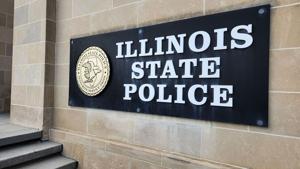
Gun rights advocate questions Illinois ballistic imaging plan
(The Center Square) – A newly introduced measure in the Illinois General Assembly aimed at expanding ballistic imaging technology is drawing criticism from gun rights advocates who question both its effectiveness and intent.
House Bill 5750, sponsored by State Rep. Rita Mayfield, D-Waukegan, would create a grant program to expand ballistic detection and imaging systems through a partnership between the Illinois State Police and the Illinois Association of Chiefs of Police. Filed April 22, the measure is currently in the House Rules Committee.
Supporters say it could help link shell casings to firearms, while critics question its cost and effectiveness. Guns Save Life Executive Director John Boch argued the proposal is driven more by financial motives than public safety.
“This bill is an effort by a half-assed BS artist to get his patented bullet engraving system mandated into law so he can become a multimillionaire or a billionaire,” Boch said. “There’s no way this is feasible to come into existence, and this is a joke. The whole bill is a joke.”
Boch claimed similar proposals have been introduced repeatedly over the past decade and a half, tied to patented ammunition-marking technology that would imprint serial numbers onto bullets and casings.
“He owns the patent on the technology, and he stands to make out like Elon Musk if it were to be adopted into law,” Boch said. “He would get a payment, a portion of every round that’s created with his technology.”
Boch raised concerns about how ballistic evidence is used, pointing to limitations in forensic analysis.
“Bullets deform and fragment when they hit tissue,” Boch said. “There’s no guarantee that his ballistics information will be readable on slugs that are found in bad guys or innocent victims alike.”
Boch further criticized the effectiveness of databases like National Integrated Ballistics Information Network, referencing past state-level efforts.
“New Jersey signed on to it briefly, and they didn’t, I believe, solve a single case,” he said. “They spent tens of millions of dollars… it was just a waste of time and a waste of money.”
Critics question NIBIN’s effectiveness because bullet and casing evidence is often damaged, making matches difficult. The system also doesn’t identify suspects directly and only links evidence if a prior match exists. As a result, they argue it can be costly while producing inconsistent investigative results.
Boch also expressed skepticism that expanded tracking or imaging systems would deter crime.
“Criminals don’t give a flying you-know-what about the laws,” he said. “You think somebody’s willing to kill somebody and give a damn about another stupid gun law?”
Boch said he believes the bill has little chance of advancing.
“This is just a perennial thing,” he said. “They’re talking about it, but it has zero likelihood of passage into law. Zero likelihood.”
Mayfield did not immediately respond to a request for comment from The Center Square.
The measure remains in the Rules Committee, with no hearings or votes currently scheduled.




Chance Showers And Thunderstorms then Showers And Thunderstorms
Latest News Stories

Illinois’ safe gun storage law goes into effect Jan. 1
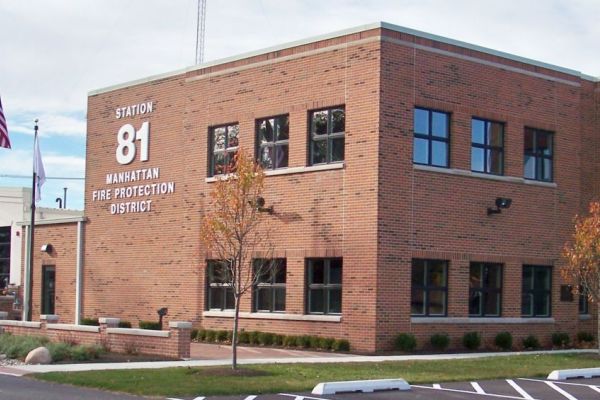
Manhattan Fire Trustees Approve 2026 Budget and Tax Levy; Workers’ Comp Costs Jump 20%

Meeting Summary and Briefs: Will County Board Executive Committee for December 11, 2025

New Lenox Homeowner Granted Variance for 4,000-Square-Foot Accessory Space
Meeting Summary and Briefs: Manhattan Village Board for December 16, 2025

County Expands Paratransit Services, Board Members Question Long-Term Funding

California attorney general joins coalition to protect trans youth in sports
Supreme Court blocks National Guard deployment to Chicago

Chicago mayor refuses to sign or veto budget at ‘not a campaign event’

Illinois quick hits: DOJ sues over sanctuary expansion law

Meeting Summary and Briefs: Joliet Junior College Board for Dec. 10, 2025
District 210 Awards $24.4 Million Contract for Major HVAC Upgrades