Report: 10% credit card cap could cut off 64 million Americans, risk recession
A proposed federal cap on credit card interest rates could drastically reduce Americans’ access to credit and hurt the U.S. economy, a new report warns.
Unleash Prosperity, a nonprofit that promotes pro-business policies, released the report analyzing a plan to cap credit card interest rates at 10% for five years. The group argues the policy would act as a price control and lead to a major reduction in lending.
The report estimates that at least 64 million Americans could lose access to credit cards or face higher costs under the cap. It also projects up to $714 billion in lost economic output tied to reduced consumer spending.
“Credit cards are a central pillar of the American economy, helping families manage expenses and businesses grow,” Steve Moore, co-founder of Unleash Prosperity, told The Center Square. “Imposing a 10% cap would pull tens of millions of Americans out of the credit system, reduce spending, and put the economy at real risk of recession.”
The proposal, known as the “10 Percent Credit Card Interest Rate Cap Act,” has drawn attention from lawmakers across the political spectrum. The report says the measure would penalize lenders who exceed the cap and limit their ability to price risk.
Credit cards account for roughly one-third of consumer spending and about one-quarter of the American gross domestic product. The report says restricting interest rates would force lenders to restrict access for higher-risk borrowers, especially those with lower credit scores.
Some borrowers would likely turn to payday loans and other high-cost options if credit card access shrinks.
The report also warns of broader economic impacts. It estimates that about 30% of credit card accounts could be closed or have reduced limits under a 10% cap. That drop in available credit would lead to lower spending, weaker retail sales, and reduced production, it contends.
Key industries could also suffer. The analysis highlights airlines and hotels, which rely heavily on co-branded credit cards and loyalty programs tied to consumer spending. A reduction in credit availability could reduce those revenue streams and travel demand, it says.
The report says limiting credit would make it harder for consumers to build credit histories used for mortgages, auto loans and job applications.
Interest rate cap supporters argue that the policy would protect consumers from high borrowing costs. They also argue that reducing access to credit would force consumers to spend more responsibly, meaning they would amass less debt.
The authors contend the policy could squeeze both borrowers and businesses, increasing the risk of a broader economic downturn.




Showers And Thunderstorms
Latest News Stories

Illinois quick hits: Judge denies Madigan’s motion; legislator urges action on DCFS interns

About Us

Everyday Economics: CPI takes center stage as tariff-driven price pressures mount

Net negative migration is harmful to the economy, economists say

Details pending on billions in foreign investments coming from trade deals
Will County Health Department Seeks $1 Million to Avert ‘Drastic’ Service Cuts from Expiring Grants
Will County’s “First-in-Nation” Veterans Center to House Workforce Services, Sparking Debate
Improved Vendor Service Creates $1.2 Million Shortfall in Sheriff’s Medical Budget
Will County Public Works Committee Unveils 25-Year Transportation Plan, Projects $258 Million Gap
Will County Animal Protection Services Seeks New Facility Amid “Gaping Wound” of Space Crisis
Board Confronts Animal Services Crowding, Explores Future Facility Options
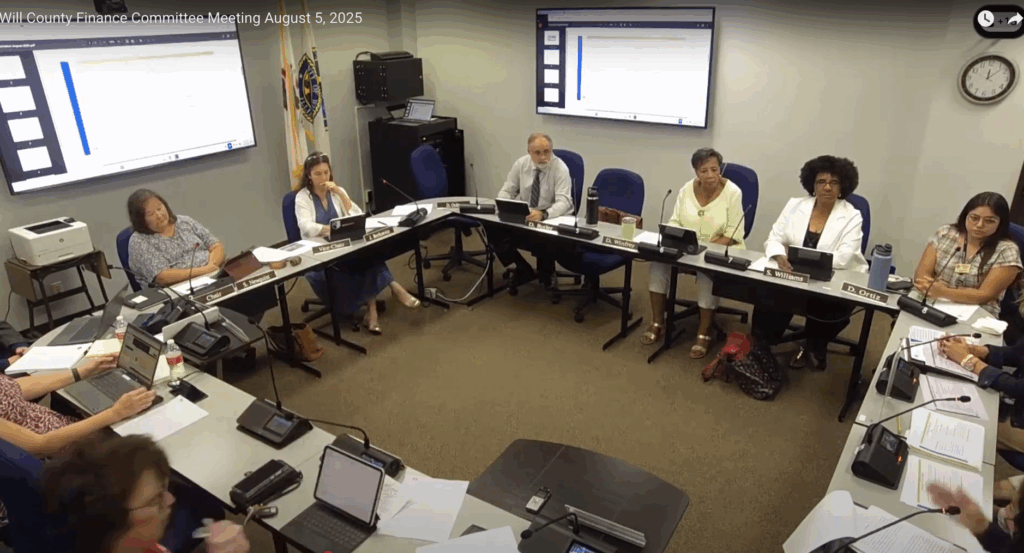
Will County Board Members Demand Transparency in Cannabis Tax Fund Allocation
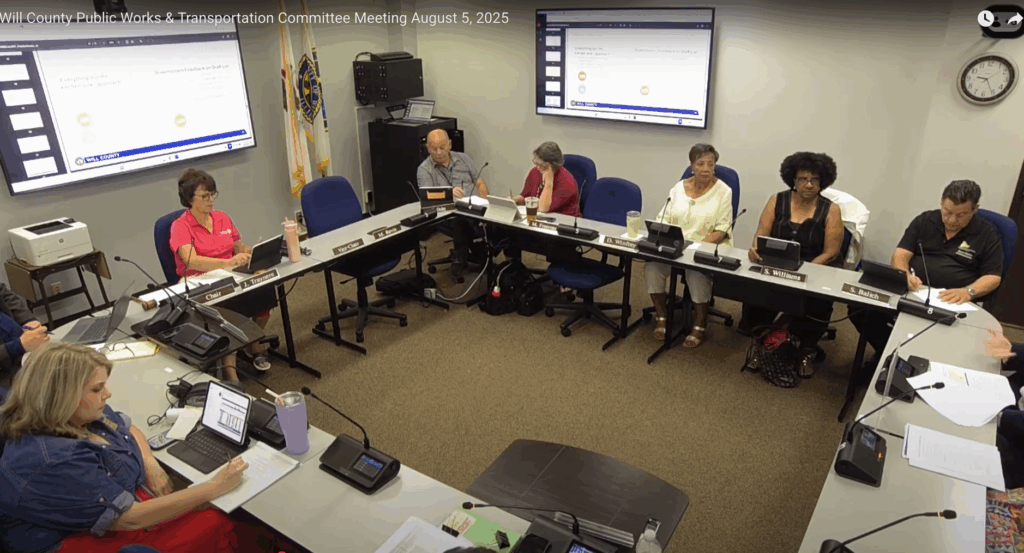
Homer Glenn Residents Push Back on 143rd Street Widening as Officials Signal “Tentative Agreement”