‘Farm Bill’ may ease cost burden for farmers; Ag groups urge US Senate action
Many farm-focused organizations say they support a GOP-led legislative package on agriculture that narrowly passed through the U.S. House.
The Illinois Farm Bureau has urged the U.S. Senate to get to work on passing the Food, Farm and National Security Act of 2026, commonly referred to as the “Farm Bill.” It would reauthorize many agricultural programs under the USDA through 2031, if passed by the Senate.
While containing a swath of different measures, the legislation was backed by many lawmakers and agricultural groups seeking to address rising costs, growing economic concerns, and other difficulties farmers face across the country.
Rebecca Barnett, director of national legislation for the bureau, said the previous 2018 policy is now outdated, and new measures – such as raising the cap on loans farmers can receive through some USDA loan programs – will help Illinois farmers who are struggling with rising operating costs.
“I would say 98% of all [Illinois] farmers are family owned farms. It will help all of those folks, just kind of with helping manage risk. That’s the key with the farm bill, especially given weather disasters, high supply cost,” Barnett said.
Kevin Johnson, a farmer and director of government relations for Illinois Soybean Growers, highlighted crop research funding and higher caps on USDA loans. He also said adjustments to how the government values crops will benefit farmers who use crop insurance.
“The crop insurance part is the most important to me and our farmers. As long as we have a good strong commodity title, we can weather a lot of this stuff. Doesn’t mean we’re going to make money every year if it’s low. But crop insurance lets you least sleep at night,” Johnson said.
U.S. Rep. Nikki Budzinski, IL-13, sits on the House Agricultural Committee and has repeatedly voiced opposition to the bill, including in March, when she said the final version of the bill does not address issues farmers and rural Americans face.
U.S. Rep. Robin Kelly, IL-02, also voted against the bill, despite having some of her own ideas included.
“Republicans jammed through a Farm Bill that steals food from the mouths of children, ignores rising grocery costs, and does not protect farmers from President Trump’s tariffs,” Kelly said in a statement.
Funding cuts, eligibility changes and new work requirements for the USDA’s Supplemental Nutrition Assistance Program, SNAP, approved by Congress last July largely began taking effect Friday. Nearly 2 million Illinoisans are enrolled in the program, also known as food stamps, according to state data.
The narrow vote in the House was just one hurdle the farm bill must pass, and it is likely to face more scrutiny when it is taken up in the Senate, according to Johnson.
“This is a step of many at the end of the day. This is not across the finish line yet because again, we’ve still got to go to the Senate,” Johnson said.
The last time a new Farm Bill became law was in 2018, which expired in 2023. Johnson said short-term extensions have been the only thing keeping farmers afloat.
Barnett said the Senate needs to work on the bill, or there could be financial harm for farmers.
“Without action to pass a new farm bill, I think family farms and families risk losing access to critical programs ranging from conservation to rural development, to research, to energy. There’s just so much in the bill that we’d risk losing,” Barnett said.






Slight Chance Showers And Thunderstorms then Chance Showers And Thunderstorms
Latest News Stories

Democratic senators under fire explain why they supported GOP bill to end shutdown
Giannoulias ramps up campaign for state regulation of auto premiums

Illinois quick hits: Illinois U.S. senators split on shutdown vote

Meeting Summary and Briefs: Joliet Junior College Board of Trustees for October 2025
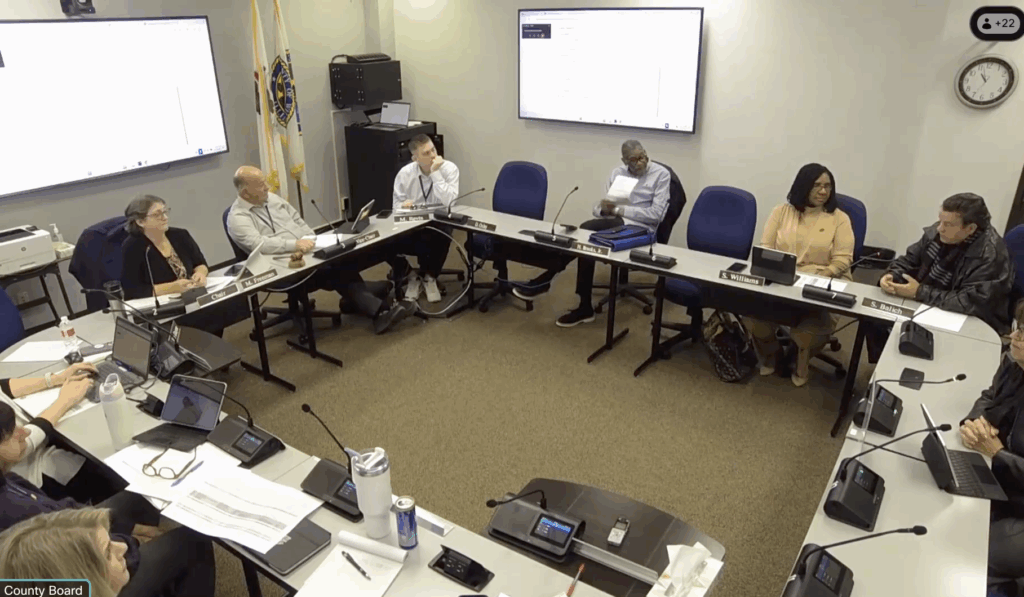
Will County Saves Nearly $5.74 Million in Bond Refinancing, Explores Future Borrowing Options

Will County Board Advances New Speed Limits in Green Garden and Frankfort Townships
New Lenox Garage Variance Denied After Neighbor Cites ‘Massive’ Scale and Neighborhood Impact

Library Board Adopts New Cell Phone Stipend Policy for Employees
Manhattan Announces Proposed 6% Property Tax Levy Increase

JJC Celebrates “Future Wolves” Partnerships with Joliet and Troy School Districts
State Veto Session Passes Energy Bill Limiting County Zoning, Approves Toll Hike for Mass Transit
Commission Approves Peotone-Area Farmhouse Split, Overruling Staff’s “Spot Zoning” Concerns
Will County Finance Committee Hits Impasse on 2025 Tax Levy, Postpones Budget Votes
Manhattan Park Board Tables Decision on Site Plan for Potential Development