
Everyday Economics: Inflation squeezes household spending
The Fed held rates where they were – 3.5% to 3.75% – and nobody was surprised. What actually mattered was the friction inside the room. Three FOMC members dissented, and not over some technical disagreement. They wanted the committee to stop pretending its next move is still a cut.They have a point. The “easing bias” language is a holdover from late last year, when the Fed was more worried about the labor market cracking than inflation flaring back up. In December, officials cut rates and talked about calibrating “the extent and timing of additional adjustments.” That framing made sense then. It makes less sense now.Inflation is back.Core PCE – the Fed’s preferred measure – came in at 0.3% for March, putting the year-over-year rate at 3.2%. Headline PCE jumped 0.7% on the month and 3.5% from a year ago, the biggest annual print in nearly three years. A lot of that is energy – oil prices spiked on Middle East tensions – but core is still running well above target. You can’t hand-wave that away.This puts the Fed in a genuinely awkward spot. Hiking rates won’t pump more oil out of the ground or bring gas prices down. But cutting while inflation is this elevated sends exactly the wrong message. So the Fed sits. It doesn’t need to rush to rescue the labor market right now, but it can’t pretend inflation has been handled either.The GDP picture fits the same pattern. The economy grew 2% annualized in Q1, which sounds decent until you dig in. Business investment – a lot of it AI-related – and a bounce in government spending after last year’s shutdown carried most of the load. Consumers are pulling back. Residential investment is still soft. The economy is growing, but households are doing more with less because prices haven’t let up.Two reports this week deserve attention: new home sales and the April jobs number.The housing data are a useful gut check on consumer confidence. People don’t buy homes when they’re nervous about the future – and mortgage rates were already a headwind before any of this. Builders are dealing with higher financing costs for incentive programs, softening prices (Zillow’s data show a small drop in median price per square foot for new construction), and growing competition from resale inventory. It’s getting harder to move product.But the jobs report is the one that actually moves the needle.March looked fine on the surface – 178,000 jobs added, recovering from February’s revised 133,000 loss. Look closer and the picture was murkier. January got revised up, February got revised down, and together those two months lost another 7,000 on net. The trend is not accelerating.Here’s the catch: the unemployment rate can stay low even when hiring is sluggish, as long as fewer people are looking for work. That’s not a tight labor market – it’s a shrinking one. A smaller labor force, absent a productivity miracle, means a smaller economy over time.Claims data muddy the waters further. Initial claims dropped to 189,000 last week – the lowest since 1969. That sounds explosive. But it probably reflects a labor market where layoffs are low and the pool of insured unemployed workers is simply smaller. Companies aren’t cutting aggressively, but they’re not exactly on a hiring binge either.So what does Friday’s report tell us? If payrolls come in modest and unemployment holds low on weak participation, the Fed has no reason to move. If employment actually falls, the conversation shifts fast. The base case is a labor market that’s stable but not strong. The tail risk – low probability but real – is a re-acceleration, especially if wages start running hot again. That would put rate hikes back on the agenda in a hurry.For now, the Fed is caught between inflation that’s too stubborn and a labor market that’s no longer clearly falling apart. The result: no hike, no cut, no urgency. Just waiting for the data to break the stalemate.





Mostly Sunny then Chance Showers And Thunderstorms
Latest News Stories

WATCH: Trump: Pritzker should ‘beg;’ Veto Session begins as Madigan reports to prison
Meeting Summary and Briefs: Will County Board Public Health & Safety Committee for October 2, 2025
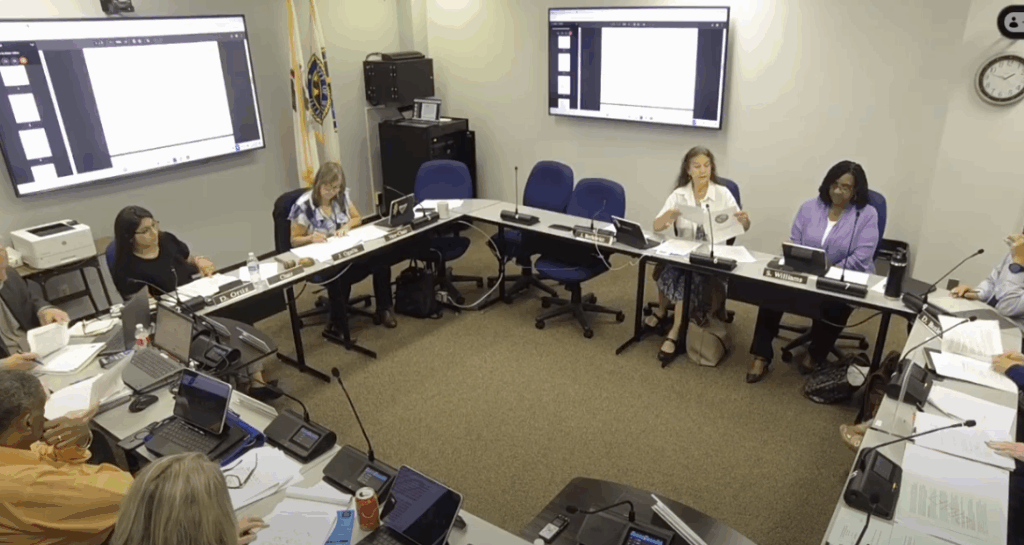
Will County Shapes 2026 Federal Agenda, Prioritizing Health, Housing, and Workforce Funding

WATCH: Trump: Pritzker should beg for help with public safety in Chicago

L.A. congresswoman insists on health insurance tax credits

Newsom threatens university funding over Trump’s education deal

Former Los Angeles schools chief runs against city’s mayor
Illinois quick hits: WARN report layoffs total 1,689; Powerball winners in Rochelle and Colona

No ethics reform in sight as ex-speaker’s scheduled prison term begins
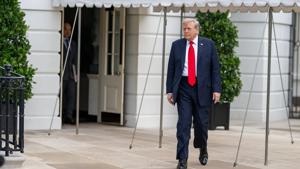
Trump losing ground on economy, poll finds

Major tech company to cut H-1B visas amid Trump pressure, fee

US, India to hold new round of trade talks, with focus on energy